Top 10 Countries with Best Electricity Access in Africa


In as much as Africa is being perceived as dark continent, the strides towards total electrification is taking shape, with some countries having already achieved universal access. We all know that access to electricity is a cornerstone for economic growth, social development, and industrial progress, especially in Africa where millions still lack reliable power. This article explores the top 10 African countries with the best electricity access, detailing their energy sources, electrification rates, and ongoing efforts to improve power availability. The focus is on providing clear understanding of the electricity landscape in Africa, which directly influences infrastructure development and project planning.
What Does Electricity Access Mean?
Electricity access refers to the percentage of a country’s population that can reliably use electric power in their homes, businesses, and public services. It is a key indicator of development because electricity enables lighting, communication, industrial activity, and essential services like healthcare and education.
Rural vs Urban Access: Often, urban areas have higher electricity access rates than rural areas due to infrastructure challenges.
Reliable vs Intermittent Access: Access doesn’t always mean continuous power; some regions experience frequent outages.
Why Is Electricity Access Critical in Africa?
Economic Growth: Reliable electricity powers industries, businesses, and services, boosting GDP.
Social Development: Improves quality of life through lighting, education, healthcare, and communication.
Construction Industry Impact: Electricity availability affects construction timelines, machinery use, and urban planning.
Overview of Africa’s Electricity Access Landscape
According to the African Development Bank (AfDB), Approximately 640 million Africans lack electricity access, representing about 40% electrification rate continent-wide.
Countries vary widely, with some achieving near-universal access and others struggling with less than 30% access.
Top 10 African Countries with Best Electricity Access
| Rank | Country | Access Rate (%) | Urban Access (%) | Rural Access (%) | Major Energy Sources |
|---|---|---|---|---|---|
| 1 | Mauritius | 100 | 100 | 100 | Coal (42%), Oil (37%), Renewables |
| 2 | Egypt | 100 | 100 | 100 | Natural Gas (55.1%), Oil (36.9%), Coal (2.4%) |
| 3 | Morocco | 100 | 100 | 100 | Renewables (solar, wind), Coal |
| 4 | Tunisia | 100 | 100 | 100 | Natural Gas, Renewables |
| 5 | Algeria | 99.8 | 99.9 | 99.6 | Natural Gas (96%), Hydro, Wind, Solar |
| 6 | Gabon | 91.6 | 98.6 | 27.8 | Oil, Biomass, Natural Gas, Hydropower |
| 7 | Ghana | 85 | 94 | 74 | Gas, Thermal, Hydropower |
| 8 | South Africa | 84.4 | 88.8 | 75.3 | Coal |
| 9 | Botswana | 72 | 90.7 | 26.4 | Coal, Imported Power |
| 10 | Kenya | 71 | 94 | 62.7 | Geothermal, Hydropower, Thermal |
Deep Dive: Leading Countries in Electricity Access
Mauritius: A Model for Universal Access
Achieved 100% electricity access through strong investment in renewable energy and fossil fuels.
Energy mix includes coal (42%) and oil (37%), but with growing solar and wind projects.
Focus on sustainability and reducing fossil fuel dependence.
Egypt: Powering a Nation
Egypt’s electricity comes primarily from natural gas (55.1%) and oil (36.9%).
Achieved 100% electrification including rural areas.
Plans underway to export excess electricity to neighboring regions, enhancing regional energy security.
Developing renewable energy projects like solar and hydroelectric plants to diversify sources.
Morocco: Renewable Energy Leader
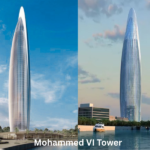
Morocco boasts 100% electricity access nationwide.
Ambitious goals to increase renewable energy share to 52% by 2030, focusing on solar and wind.
A key player in Africa’s energy transition, Morocco’s electrification supports industrial growth and urban expansion.
Tunisia and Algeria: Near-Universal Access with Natural Gas Dominance
Both countries provide electricity to nearly all their populations.
Tunisia targets 30% renewable energy by 2023.
Algeria relies heavily on natural gas (96%), supplemented by hydropower, wind, and solar.
Challenges in Rural Electrification
Countries like Gabon and Botswana show stark disparities between urban and rural electricity access.
For example, Gabon’s rural access is only 27.8%, while urban access nears 98.6%.
Infrastructure costs, geographic barriers, and funding limit rural electrification.
Innovative solutions like off-grid solar systems and mini-grids are increasingly deployed.
Impact of Electricity Access on Construction Industry
Reliable power enables use of electric tools, lighting, and machinery on construction sites.
Electrification influences urban planning, enabling smart city projects and sustainable buildings.
Countries with higher electricity access attract more foreign investment in infrastructure.
Understanding the energy landscape helps construction professionals plan projects with realistic timelines and budgets.
Tables: Electricity Access by Region and Energy Source
| Region | Average Electricity Access (%) | Main Energy Sources |
|---|---|---|
| North Africa | ~99 | Natural Gas, Oil, Renewables |
| West Africa | 50-85 | Hydropower, Gas, Thermal |
| Southern Africa | 70-85 | Coal, Hydropower, Renewables |
| Central Africa | 30-90 | Oil, Hydropower, Biomass |
| East Africa | 40-70 | Geothermal, Hydropower, Solar |
| Energy Source | Characteristics | Countries Leading Use |
|---|---|---|
| Natural Gas | Cleaner than coal, reliable base load | Egypt, Algeria, Tunisia |
| Coal | Abundant but polluting | South Africa, Botswana, Mauritius |
| Hydropower | Renewable, dependent on water availability | Ghana, Kenya, Gabon |
| Solar & Wind | Growing rapidly, intermittent but clean | Morocco, Mauritius, Tunisia |
| Oil | Expensive and polluting, used in some countries | Egypt, Gabon |

What Are the Main Challenges to Electricity Access in Africa?
Despite progress in some countries, electricity access remains limited for large segments of the population due to several interrelated challenges:
High Cost of Infrastructure: Extending the national grid to remote and sparsely populated rural areas is expensive and logistically complex. For example, Kenya faces high connection costs and difficulties obtaining rights of way for transmission lines.
Geographical Barriers: Remote regions, islands, and mountainous areas are difficult to reach with traditional grid infrastructure.
Informal Urban Settlements: The research by Energy For Growth Hub found that approximately 50-60% of Africa’s urban population lives in informal settlements where legal access to the grid is limited, and many residents rely on informal or illegal connections, leading to unreliable and unsafe supply.
Low Demand and Affordability: In some newly electrified areas, households and businesses may not connect to the grid due to low income or insufficient energy needs, suppressing demand and affecting the financial viability of electrification projects.
Reliability and Quality: Even where electricity is available, frequent blackouts and brownouts undermine its usefulness, especially in rural clinics, schools, and businesses.
How Are African Countries Addressing These Challenges?
Off-Grid and Mini-Grid Solutions
Off-grid solar systems and mini-grids are increasingly recognized as practical solutions for remote and rural communities where grid extension is not economically feasible.
According to Nuvoni Research, Kenya’s experience highlights this approach: while national grid access rose from 32% in 2014 to 75% in 2018, many remote areas remain unconnected. The government and development partners have implemented mini-grids and off-grid solar to bridge this gap, especially in isolated regions like Mfangano Island.
Challenges remain with off-grid systems, such as the high cost and maintenance of batteries, which can cause outages during peak demand times.
Institutional and Policy Innovations
Some countries have established dedicated rural electrification agencies (e.g., Senegal’s ASER, Mali’s AMADER) to focus on expanding access outside urban centers and coordinate multi-sectoral efforts.
Smart subsidy schemes and targeted financing models are being developed to make electrification projects more sustainable and affordable.
Regional cooperation and data harmonization efforts, such as those led by the African Energy Commission (AFREC), aim to improve planning and investment efficiency.
What Is the Role of Informal Urban Communities in Energy Access?
Informal urban settlements present unique challenges: lack of legal grid connections, affordability issues, and poor infrastructure.
A study conducted by Energy for Growth Hub point out that cities like Kampala show that 10-20% of residents remain unconnected, and many connected households face limited power capacity and quality.
Addressing these challenges requires tailored policies that recognize the realities of informal settlements and integrate them into urban planning.
How Does Electricity Access Impact Economic and Social Development?
Access to reliable electricity enables productive activities, from small businesses to manufacturing, which are vital for economic growth.
It improves social services, including healthcare and education, by powering clinics and schools.
In the construction industry, electricity availability supports machinery operation, lighting, and project efficiency, influencing infrastructure development timelines and quality.
Emerging Trends in African Electrification
| Trend | Description | Examples/Impact |
|---|---|---|
| Off-Grid Solar Expansion | Rapid deployment of solar home systems and mini-grids | Kenya, Tanzania, Nigeria |
| Renewable Energy Integration | Increasing share of solar, wind, geothermal, and hydro | Morocco’s solar projects, Kenya’s geothermal |
| Digital and Smart Metering | Use of technology to improve billing and grid management | South Africa, Ghana |
| Regional Power Trading | Cross-border electricity trade to optimize resources | Egypt exporting to neighbors |
| Public-Private Partnerships | Leveraging private investment in energy infrastructure | Numerous projects across Africa |
Table: Comparison of Grid Extension vs Off-Grid Solutions
| Factor | Grid Extension | Off-Grid / Mini-Grid |
|---|---|---|
| Cost | High, especially in remote areas | Lower initial cost, scalable |
| Coverage | Best for densely populated areas | Best for remote, sparsely populated areas |
| Reliability | Can be affected by infrastructure issues | Depends on system maintenance and storage |
| Implementation Time | Longer due to infrastructure construction | Faster deployment |
| Sustainability | Depends on energy source mix | Often renewable-based (solar, wind) |
Frequently Asked Questions
What are the major sources of electricity in Africa?
Natural gas, coal, hydropower, oil, and increasingly renewables like solar and wind.
How effective are off-grid solar systems in Africa?
They provide critical access in remote areas but face sustainability challenges, especially with battery costs.
What role do government policies play in expanding electricity access?
Dedicated agencies, subsidies, and regulatory reforms are crucial for coordinated and sustainable electrification.
What are the main barriers to rural electrification in Africa?
High costs, geographic challenges, low demand, and regulatory hurdles.
Which African country has the highest electricity access rate?
Mauritius, Egypt, Morocco, and Tunisia have achieved nearly 100% electricity access, making them the leaders in Africa for universal electrification