

Ballast Prices in Kenya 2026: Cost Per Ton & Per 18-Tonne Lorry

Cost of Construction Material · 2026
Get a Quote
Contact Us
Ballast Prices in Kenya: Cost Per Ton, Lorry & Where to Buy
Ballast prices in Kenya move mainly on one variable: distance from the quarry to your site. This guide breaks down what ballast actually costs per ton and per lorry across Nairobi and its surrounding counties in 2026, how the three main ballast types differ, and how much you genuinely need for a typical residential build. You will also find the regulatory backbone that governs where ballast legally comes from, and a practical framework for buying it without overpaying. Whether you are a site engineer pricing a bill of quantities or a homeowner budgeting a foundation, the numbers here reflect current market conditions rather than outdated estimates.
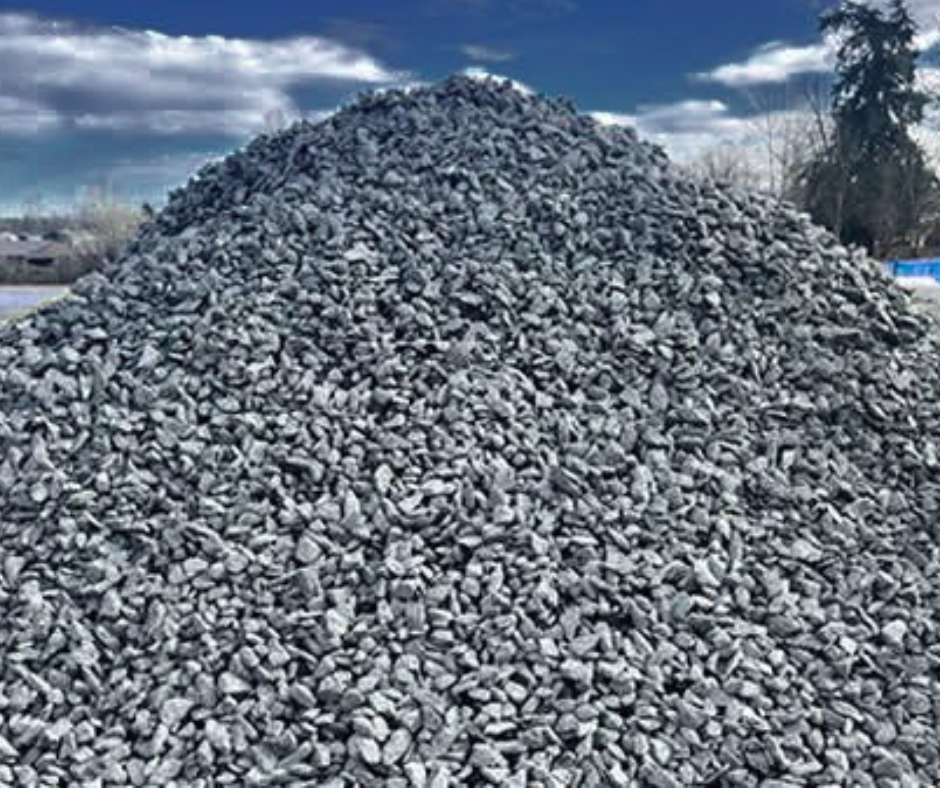
Quarry ballast delivered and offloaded ahead of foundation works
Ballast prices in Kenya in 2026 range from roughly KSh 1,500 to KSh 2,500 per ton at the quarry, and between KSh 25,000 and KSh 40,000 for a full 18-tonne lorry delivered to site, with the final figure depending almost entirely on how far your location sits from an active quarry belt. That single fact explains most of the price confusion buyers run into.
Every site engineer, quantity surveyor, contractor, and self-build homeowner in Kenya eventually has the same conversation with a supplier: why does one lorry of ballast cost KSh 27,000 in Ruai and KSh 36,000 in Gatundu, when it is the same stone from a similar quarry? The answer sits in transport economics, county-level factors, and how the ballast supply chain in Kenya is structured around clusters of quarries rather than a single national price list. This guide works through the full picture: current prices per ton and per lorry, the three ballast types you will actually encounter on a Kenyan site, how ballast compares with sand, what shapes the price you’re quoted, how much you need for a standard house, where to buy it, and the regulatory framework that keeps the whole supply chain legal. The regional cost per cubic metre for concrete grades in Kenya gives useful context for how ballast pricing feeds into the wider cost of a concrete pour.
18t
Standard tipper lorry load
1,500–2,500
KSh per ton, quarry gate
25,000–40,000
KSh per lorry, delivered
3
Common ballast sizes (½”, ¾”, 1″)
What Is Ballast? A Clear Definition for Kenyan Construction
Ballast is crushed or naturally broken stone, typically hard igneous rock, screened into graded sizes and used as the coarse aggregate in concrete, as bedding material under floors and pavements, and as a general fill material on construction sites. In Kenya, the word covers a slightly broader range of products than the strict engineering definition suggests; on any building site or hardware yard, “ballast” usually means quarry stone in the ½ inch to 1 inch range, ready to be mixed with cement, sand, and water to form concrete, or spread and compacted as sub-base.
Structurally, ballast is what gives concrete its compressive strength. Cement and sand form the paste that binds everything together, but it is the interlocking mass of crushed stone that carries most of the load once the concrete cures. This is why the quality, size, and cleanliness of ballast matters as much as the mix ratio: contaminated or poorly graded ballast produces weaker, more porous concrete regardless of how carefully the cement and water are measured.
Ballast vs Hardcore vs Murram: Clearing Up the Confusion
Three terms get used loosely on Kenyan sites and are worth separating clearly. Ballast is the graded crushed stone used in concrete. Hardcore is larger, less uniform broken stone, rubble, or oversized quarry waste used to build up and stabilise ground beneath foundations and floor slabs before blinding and concrete are laid; it is compacted in layers rather than mixed into a paste. Murram is a reddish, lateritic gravelly soil, not crushed rock, used mainly for road sub-base, backfilling, and as a cheaper alternative to hardcore on less demanding fill applications. Confusing these three on a bill of quantities is a common and costly mistake, since hardcore and murram are priced and supplied very differently from graded ballast.
Types of Ballast in Kenya: Machine Cut, Quarry Ballast, and Kokoto
Kenya’s construction market recognises three main categories of ballast, each suited to a different stage or type of work. Understanding which one your project needs prevents both overspending on a premium product you don’t require and under-specifying a critical structural pour.
Machine Cut Ballast
Produced by mechanically crushing hard stone blocks and screening the output into uniform, tightly graded sizes. It gives the most consistent particle shape and size distribution of the three types, which translates into more predictable concrete strength. It costs more than ordinary quarry ballast but is the specified choice for structural elements where an engineer has called out a specific concrete grade.
Structural ConcreteQuarry Ballast
The most common type on Kenyan sites, sourced directly from blasting and crushing at open quarries. It comes in ½ inch, ¾ inch, and 1 inch grades and is used for foundations, ground beams, columns, slabs, and general concrete work. Grading is less uniform than machine cut ballast but is entirely adequate for the vast majority of residential and light commercial construction.
General ConstructionKokoto
A finer, more rounded aggregate closer to coarse gravel than crushed stone. It is not typically used as the primary aggregate in structural concrete. Instead, it is the material of choice for pathways, parking areas, cabro paving bedding, and lighter concrete block production, where a fine, compactable texture matters more than raw crushing strength.
Paving & FinishingWhat Size Ballast Should You Use?
Ballast is sold by inch fraction, and the size you order should match the element you are casting. ¾ inch ballast is the standard, all-purpose size for foundations, columns, ring beams, and suspended slabs in ordinary residential and commercial buildings. ½ inch ballast is finer and better suited to thinner sections such as screeds, staircases, and precast elements where a smoother finish and easier flow around reinforcement matter. 1 inch ballast and larger sizes are used in mass concrete pours, blinding layers, and some road base applications where fine finish is less important than bulk and cost efficiency. The complete guide to sieve analysis and aggregate grading explains in more technical depth how particle size distribution affects the strength and workability of the resulting concrete.
Ballast Prices in Kenya 2026: Cost Per Ton
At the quarry gate, before any transport is added, ballast in Kenya costs approximately KSh 1,500 to KSh 2,500 per ton. This range reflects differences between quarries in operating cost, stone hardness, and how close a particular quarry sits to the demand centres of Nairobi, Kiambu, and Machakos counties. Buying strictly by the ton, collected directly from the quarry, is realistic mainly for small-scale buyers with their own transport; it is rarely how ballast is purchased for an active construction site.
For nearly all residential and commercial projects, ballast is quoted and delivered by the lorry load rather than the ton, because the delivery vehicle itself, not a weighed ton, is the practical unit of purchase on Kenyan roads. That said, understanding the per-ton figure is still useful: it lets you sanity-check a delivered lorry quote by dividing the quoted price by the vehicle’s rated tonnage, and it gives quantity surveyors a consistent unit for pricing a bill of quantities regardless of which lorry size a particular supplier uses.
Ballast Prices Per Lorry: The 18-Tonne Tipper Benchmark
The 18-tonne tipper is the reference vehicle for ballast delivery across Kenya, and prices are almost always discussed against this benchmark. A full 18-tonne load delivered to site in 2026 costs between KSh 25,000 and KSh 40,000, with most orders around Nairobi’s metropolitan area falling in the KSh 27,000 to KSh 34,000 band. Smaller lorries, such as 7-tonne or 10-tonne trucks, are available for tighter sites or smaller orders, but they carry a higher effective cost per ton because the fixed costs of a delivery trip are spread across fewer tonnes.
| Distance Zone | Representative Areas | Typical Delivered Price (18t Lorry) |
|---|---|---|
| Zone 1 — Near Quarry Belt | Kamulu, Ruai, Utawala, Njiru | KSh 26,000 – 28,000 |
| Zone 2 — Inner Metro | Kamakis, Ruiru, Roysambu, Umoja, Kahawa Sukari | KSh 28,000 – 30,000 |
| Zone 3 — Mid Metro | Parklands, Mhasibu, Croton, Kahawa West, Membley | KSh 29,000 – 31,000 |
| Zone 4 — Outer Metro | Karen, Ngong, Kikuyu, Ruaka, Juja, Wangige, Runda | KSh 31,000 – 33,000 |
| Zone 5 — Extended Routes | Thika, Kiambu, Githunguri, Migaa Estate, Gatundu, Kenol | KSh 33,000 – 36,000 |
Read this table as a starting point for negotiation, not a fixed price list. Fuel prices, seasonal road conditions, and individual supplier margins shift these figures over the course of a year, so always request a current delivered quote for your exact location before finalising a budget. Areas that appear in more than one quarry’s service radius, such as Ruiru or Kikuyu, sometimes get more competitive pricing simply because two or more suppliers are competing for the same delivery route.
Budgeting Ballast and Concrete Costs for Your Project?
Structrum Limited helps developers, contractors, and homeowners across Kenya plan accurate material budgets, from ballast and sand through to full bills of quantities. Talk to our team before you place your first order.
Get a Quote Contact UsSand and Ballast Price Comparison in Kenya
Sand and ballast are bought together on almost every project, and their pricing tracks similar geographic patterns but at different absolute levels. An 18-tonne lorry of ballast, as covered above, runs KSh 25,000 to KSh 40,000. River sand, by comparison, typically costs more: an 18-tonne lorry delivered within Nairobi’s metro area runs KSh 30,000 to KSh 45,000, reflecting tighter regulation of river sand harvesting and fewer viable extraction points close to the city. The current sand prices in Nairobi break this down further by sand type, including red sand, black sand, and rock sand sold per ton for smaller orders.
Quarry proximity drives both markets in the same direction. Locations near Nairobi’s eastern quarry belt, including Kamulu, Ruai, and Kitengela, sit at the cheaper end for both ballast and sand. Areas further out, such as Kiambu, Limuru, and Gatundu, sit at the higher end for both, since the same delivery vehicles and fuel costs apply regardless of which material they are carrying. A practical budgeting rule: expect your sand bill to run roughly 15 to 25 percent higher than your ballast bill for an equivalent number of lorry loads, all else being equal.
Factors That Affect Ballast Prices in Kenya
Six variables consistently move the price you’re quoted for a lorry of ballast, and understanding them helps you spot an unreasonable quote before you commit to it.
Distance From the Quarry
This is, by a wide margin, the single biggest determinant of delivered price. Fuel, driver time, and vehicle wear all scale directly with distance, and Kenyan lorries carrying an 18-tonne load are not fast or fuel-efficient over long routes. A site 10 kilometres from an active quarry will almost always beat a site 40 kilometres away by several thousand shillings per load, regardless of which supplier you use.
Road Conditions and Site Access
Rough, unpaved, or seasonally muddy access roads slow delivery and increase vehicle wear, and suppliers price that risk into their quotes. Sites that are difficult for an 18-tonne tipper to physically reach, requiring a smaller vehicle or manual offloading further from the actual works, attract a premium.
Ballast Size and Type
Machine cut ballast, being more processed and more consistently graded, costs more per ton than ordinary quarry ballast of the same size. Larger stone and mixed-grade material are generally cheaper than tightly screened single-size ballast, because less processing is required.
County Levies and Local Taxes
County governments, particularly Nairobi, Kiambu, and Kajiado, levy cess and other charges on quarried materials moving through their jurisdiction. These charges are usually built into the delivered price rather than itemised separately, but they explain part of why identical stone can cost differently depending on which county boundaries a delivery crosses.
Seasonal Weather
Heavy rains slow quarry blasting and crushing operations, damage access roads, and can temporarily reduce supply just as demand from active construction sites continues. Prices tend to firm up during the long and short rains and soften somewhat in drier months.
Demand, Fuel Prices, and Supplier Competition
Kenya’s construction sector has grown steadily, and periods of high building activity in a given area push local ballast demand up faster than supply can adjust, particularly where only one or two quarries service a route. National fuel price movements pass through to delivery costs within weeks. Where several suppliers compete for the same delivery zone, buyers generally see more stable and more negotiable pricing than in areas served by a single dominant quarry.
The Regulatory Framework Behind Kenya’s Quarry and Ballast Industry
Ballast does not simply appear at a quarry gate. Extracting it legally in Kenya requires operators to comply with a specific regulatory framework, and understanding this framework helps buyers judge whether a supplier is operating on a sustainable, compliant basis or cutting corners that could eventually disrupt supply.
The Mining Act, 2016
Quarrying, including the extraction of aggregates, sand, and gravel, falls under the Mining Act, 2016, which governs prospecting, mining, and dealing in minerals in Kenya, including stone and other construction aggregates classed as minerals under the Act. Operators are required to hold the appropriate mining permit for the scale and type of extraction they carry out, and unlicensed quarrying is an offence under the Act.
NEMA and Environmental Impact Assessment
The National Environment Management Authority (NEMA) requires an Environmental Impact Assessment licence before quarrying, including open-cast extraction of stone, aggregates, sand, and gravel, can lawfully begin, under regulations that specifically list mining and quarrying activities as requiring an EIA. This licensing step is meant to address dust, noise, land degradation, and rehabilitation obligations once a quarry site is exhausted. You can review NEMA’s published EIA guidance directly at nema.go.ke.
County Quarrying Legislation
Several counties have gone further and enacted their own quarrying laws governing common minerals such as sand, gravel, and stone extracted within their boundaries, including licensing officers, harvesting hours, and site-specific environmental conditions. This layered system, national mining law, national environmental law, and county-level quarrying regulation, means that reputable, long-established quarries are generally the more reliable source for consistent supply and consistent quality, since they have made the investment to operate within this framework rather than informally.
Where NCA Fits In
The National Construction Authority (NCA) does not license quarries directly; its mandate under the NCA Act covers the registration of contractors, construction workers, and construction sites. However, any contractor purchasing and using ballast on an NCA-registered project is expected to source materials that meet the specification called for in the approved drawings and bill of quantities. The comprehensive breakdown of NCA regulations in Kenya covers contractor registration in detail, and you can verify a contractor’s registration status directly at nca.go.ke.
How Much Ballast Do You Need? Practical Calculations
Ordering the right quantity of ballast avoids two expensive mistakes: running short mid-pour, which forces a rushed, often more costly emergency delivery, and over-ordering, which ties up cash in stone sitting unused on site. The right approach is to work from your structural drawings and bill of quantities rather than a generic rule of thumb, but the following benchmarks are a reasonable starting point for early budgeting.
Ballast for a Standard Two to Three Bedroom House
A conventional two to three bedroom bungalow, built with a strip or raft foundation, ring beam, columns, and a single ground floor slab, typically consumes around one full 18-tonne lorry load of ballast across the substructure and slab works. Houses with a basement, a second floor, heavier structural loading, or a larger footprint will need more, sometimes two lorries or more, so this figure should be treated as a planning estimate rather than a fixed order quantity.
Ballast in the Concrete Mix Ratio
Most residential concrete in Kenya is mixed at a nominal ratio of roughly 1 part cement to 2 parts sand to 4 parts ballast by volume for ordinary structural work, adjusted upward in ballast content or cement content depending on the specified concrete grade. In practical terms, one cubic metre of finished concrete requires approximately 0.8 to 0.9 cubic metres of loose ballast before mixing, alongside the corresponding sand and cement. Converting cubic metres of ballast to tonnes depends on the stone’s bulk density, but a workable rule of thumb used on Kenyan sites is that one cubic metre of ballast weighs approximately 1.4 to 1.5 tonnes.
Quick Reference: LSI and Related Terms
Terms commonly used alongside ballast pricing in Kenya include: coarse aggregate, fine aggregate, quarry dust, hardcore filling, murram sub-base, blinding concrete, cabro bedding, bill of quantities provisional sum, tonnage conversion, cubic metre of concrete, weighbridge slip, tipper lorry capacity, aggregate grading, crushed stone, NCA registered contractor, county cess, quarry belt, delivery radius, and concrete grade C15 to C30.
Where to Buy Ballast in Kenya: Suppliers and Quarry Belts
Kenya’s ballast supply is organised around geographic clusters of quarries rather than a small number of national brands, which is different from how cement or steel is distributed. Knowing the main clusters helps you shortlist suppliers by proximity before comparing individual quotes.
The Nairobi Eastern Belt
Kamulu, Ruai, and the surrounding Njiru area form Nairobi’s most active and longest-established ballast quarry belt, feeding much of the eastern, central, and northern parts of the metro area. Buyers in Utawala, Umoja, Kahawa, and even parts of Kiambu county routinely source from this belt because the road network connects reasonably efficiently in most directions from here.
The Athi River and Mlolongo Belt
Machakos county, particularly around Athi River, Mlolongo, and further toward Konza, hosts significant quarrying activity and serves the southeastern edge of Nairobi, along with sites along the Mombasa Road corridor. This belt also supplies material toward Kitengela and parts of Kajiado county.
The Kiambu and Ruiru Belt
Quarries operating around Ruiru, Juja, and toward Thika supply the northern growth corridor of Nairobi’s metropolitan area, including Kiambu town, Githunguri, and Gatundu, which is also why delivered prices in this belt’s outer reaches run higher; the belt itself is further from the densest demand centres in the city.
Buying Through Hardware and Building Materials Suppliers
Many buyers, particularly for smaller residential projects, do not deal with a quarry directly and instead order through established building materials suppliers who maintain relationships with multiple quarries and can arrange delivery on shorter notice. This route often costs marginally more than a direct quarry order but reduces the coordination burden, particularly for buyers managing a project part-time or from a distance. Structrum Limited’s building materials shop lists ballast and related aggregates alongside cement, steel, and finishing materials for buyers who prefer a single point of contact.
How to Judge Ballast Quality Before You Accept a Delivery
Not all ballast delivered in Kenya meets the same standard, and a visual check at the point of delivery catches most problems before they are mixed into concrete you cannot easily inspect afterward.
1
Check for Excess Dust and Fines
Visual CheckA moderate amount of stone dust is normal, but excessive fine material coating the stone reduces the bond between cement paste and aggregate, weakening the resulting concrete. If a handful of ballast leaves your palm heavily coated in fine powder, ask the supplier about their washing or screening process.
2
Look for Soil, Clay, or Organic Contamination
ContaminationStone mixed with topsoil, clay lumps, or plant matter is a sign of poor quarry housekeeping or stone sourced from a shallow, low-quality seam. Contaminated ballast should be rejected or renegotiated, since it directly undermines concrete strength.
3
Confirm Size Consistency
GradingSpread a sample across a flat surface and check that the stone matches the size you ordered, without an excessive mix of oversized or undersized pieces. Wide grading swings make it harder to hit the mix ratio your structural design assumes.
4
Verify the Load Volume Against What Was Quoted
QuantityWhere a weighbridge slip is available, request it. Where it is not, a visual check of how full the tipper bed is relative to its rated capacity is a reasonable substitute, and repeated short deliveries from the same supplier are worth raising directly with them.
5
Keep a Record for the Bill of Quantities
DocumentationLog the delivery date, quantity, size, and supplier for every load. This record supports the final account reconciliation and gives your quantity surveyor or contractor a clean audit trail if quantities are ever queried.
“Poorly graded aggregate increases water demand and cement consumption while leaving weak spots that compromise structural integrity, regardless of how carefully the rest of the mix is controlled.” Structrum Limited, Grading Test: The Complete Guide to Sieve Analysis
Need Ballast, Sand, or Other Building Materials Delivered?
Structrum Limited supplies and delivers quality ballast, sand, and construction materials across Nairobi and surrounding counties, backed by site supervision and quantity surveying support for larger projects.
Get a Quote Contact Our TeamBallast in the Bill of Quantities: How It’s Priced on Kenyan Projects
On a formally tendered project, ballast rarely appears as a standalone line item. It is bundled inside the rate for each concrete item, priced by the cubic metre of finished concrete rather than by the ton of raw stone. A quantity surveyor preparing a bill of quantities to Kenyan measurement standards builds a materials cost buildup for each concrete grade specified in the preamble, factoring in current ballast, sand, and cement prices along with wastage allowances, and that buildup becomes the rate the contractor prices against. This is why two contractors can submit different tender prices for what looks like identical concrete work: their assumed ballast and sand delivery costs, sourced from different quarry belts or suppliers, are genuinely different.
For self-build homeowners working without a formal bill of quantities, it is still worth adopting the same logic informally. Rather than pricing ballast as an isolated cost, estimate it against each concrete pour you plan, foundation, ring beam, columns, slab, and add a reasonable contingency of 5 to 10 percent for wastage, spillage, and minor quantity underestimation. The allowable wastage benchmarks for construction materials on site gives typical loss percentages by material type, which is useful for setting that contingency realistically rather than guessing.
Ready-Mix Concrete as an Alternative to On-Site Ballast Mixing
An increasing number of Kenyan projects, particularly in Nairobi, Mombasa, and Kisumu, now source concrete pre-mixed from a batching plant rather than buying ballast, sand, and cement separately for on-site mixing. This shifts the ballast purchasing decision entirely to the ready-mix supplier and can simplify logistics considerably, though it generally costs more per cubic metre than self-sourced materials mixed on site. The directory of ready-mix concrete suppliers in Kenya’s major cities covers the leading batching plants, their locations, and the concrete grades they typically offer.
Frequently Asked Follow-Up Questions on Ballast Buying in Kenya
Does Ballast Price Change Between the Rainy and Dry Season?
Yes, moderately. Heavy rains slow blasting, crushing, and haulage operations at quarries and can damage the access roads leading to and from delivery sites, both of which push delivered prices up slightly during Kenya’s long and short rain periods. Ordering ahead of the rains where your construction programme allows is a reasonable way to lock in drier-season pricing.
Can You Negotiate Ballast Prices in Kenya?
To a degree, particularly for larger or repeat orders. Suppliers competing for the same delivery zone generally have some room to move on price, especially for buyers ordering multiple lorries across the life of a project rather than a single load. Areas served by only one nearby quarry naturally offer less room for negotiation, since the buyer has fewer alternative sources to compare against.
What Documents Should You Ask a Ballast Supplier For?
A delivery note stating the date, quantity, and size of ballast supplied is the minimum useful record. Where available, a weighbridge slip confirming the actual tonnage delivered adds an extra layer of assurance, particularly for larger commercial orders where quantity discrepancies carry more financial weight. These records also support the documentation contractors are expected to maintain before and during a Kenyan construction project.
Frequently Asked Questions — Ballast Prices in Kenya
How much is ballast per ton in Kenya? +
Ballast in Kenya costs roughly KSh 1,500 to KSh 2,500 per ton at quarry gate, depending on the size of stone, the quarry’s location, and how far it must travel to reach you. Areas close to Nairobi’s main quarry belts, such as Kamulu, Ruai, and Utawala, sit at the lower end of that range, while upcountry or high-demand zones push closer to the upper end. Buying per ton only makes sense for small quantities picked up directly; almost all residential and commercial construction in Kenya is priced and delivered per lorry load instead.
How much is one lorry of ballast in Kenya? +
A standard 18-tonne tipper lorry of ballast delivered in Kenya costs between KSh 25,000 and KSh 40,000. The quarry-gate price for that same load, before delivery, is roughly KSh 18,000 to KSh 20,000. The gap between quarry price and delivered price is transport, and it scales with distance, so areas near established quarry belts pay far less than sites many kilometres from the nearest active quarry.
How much is one lorry of sand in Kenya? +
An 18-tonne lorry of river sand in Kenya typically costs KSh 30,000 to KSh 45,000 delivered, generally higher than a comparable load of ballast. River sand is priced higher partly because extraction is more tightly regulated and because good sources are fewer and often farther from Nairobi than the quarries producing crushed stone.
What size is ballast stone? +
Ballast in Kenya is sold in three common sizes: half inch, three-quarter inch, and one inch. Three-quarter inch is the most widely used size for structural concrete, including foundations, columns, beams, and suspended slabs. Half inch ballast suits thinner elements and screeds, while one inch ballast and larger sizes are more common in mass concrete, hardcore filling, and some road base applications.
Which ballast is best for house construction? +
Three-quarter inch quarry ballast is the standard choice for house construction in Kenya, used in foundations, ground beams, columns, and slabs. Machine-cut ballast, crushed and screened for uniform grading, is preferred where consistent concrete strength and finish matter most. Kokoto, being finer and rounder, is not a structural substitute; it belongs in pathways, cabro bedding, and light non-structural work.
How much ballast do I need for a two or three bedroom house? +
A typical two to three bedroom bungalow, built with a conventional strip or raft foundation, ring beam, columns, and a ground floor slab, generally consumes one full 18-tonne lorry load of ballast. Houses with a basement, an additional floor, heavier reinforcement, or a larger footprint will need proportionally more, so a quantity surveyor or contractor should confirm exact volumes against the structural drawings rather than relying on a rule of thumb alone.
Is buying ballast in Kenya regulated? +
Yes, indirectly. Quarry operators extracting ballast are required to hold a mining permit under the Mining Act, 2016, and an Environmental Impact Assessment licence from NEMA before they can legally operate. Several counties, including Kwale, have additional county quarrying legislation covering common minerals such as sand, gravel, and stone. As the buyer, you are not required to verify a quarry’s licence for every load, but sourcing from an established, long-operating quarry reduces the risk of inconsistent quality and supply disruption.
Why do ballast prices vary so much between areas that seem close together? +
Even areas that look close on a map can sit on different sides of a quarry’s practical delivery radius, especially where road networks force a longer route than straight-line distance suggests. Traffic patterns, county boundaries with different cess charges, and how many suppliers actively serve a specific route all add further variation on top of raw distance.
Related Topics
Quarry Ballast Kenya
Machine Cut Ballast
Kokoto Price
Sand Prices Nairobi
18 Tonne Tipper
Bill of Quantities Kenya
Concrete Grade Cost
NCA Registration
Mining Act Kenya
NEMA EIA Licence
Aggregate Grading
Ready-Mix Concrete
Hardcore Filling
Construction Material Wastage
Building Materials Kenya
Ready to Order Ballast for Your Kenyan Project?
Structrum Limited supplies quality ballast, sand, cement, and finishing materials with reliable delivery across Nairobi and surrounding counties, alongside quantity surveying and site supervision support for larger builds.
Get a Quote Contact Us