

7 Best Waterproofing Methods for Flat Roof Buildings in Kenya

Best Waterproofing Methods for Flat Roof Building
This comprehensive guide explores the top waterproofing methods for flat roof buildings in Kenya, starting with APP bitumen membranes that offer UV resistance and 15-20 year lifespan at KES 1,200-2,000 per sqm, Reinforced Bitumen Membranes providing multi-layer redundancy for KES 1,500 per sqm, and single-ply membranes (TPO, PVC, EPDM) delivering 25-35 years of protection with energy-efficient, heat-reflective properties at KES 1,400-2,300 per sqm. Each method addresses Kenya’s challenging climate of intense UV exposure, seasonal heavy rainfall, and temperature fluctuations. Understanding these waterproofing systems helps you select the ideal solution based on your budget, building type, and long-term performance requirements.
Waterproofing methods for flat roof buildings can make or break your property's longevity, especially in Kenya's challenging climate. Picture this: It's November, the heavens have opened, and water is seeping through your ceiling, damaging furniture and creating dark, menacing mold patches. You've just joined thousands of Kenyan homeowners who learned the hard way that flat roofs without proper waterproofing are ticking time bombs.
Flat roofs have surged in popularity across Nairobi, Kiambu, and other Kenyan urban centers. They're cost-effective, provide extra usable space, and look undeniably modern. But here's the catch—Kenya's distinct rainy seasons (March-May and October-December), coupled with intense UV exposure during dry months, create a perfect storm for roof deterioration.
This comprehensive guide breaks down the most effective waterproofing methods used in Kenya today, from traditional bitumen membranes to cutting-edge polyurea coatings. Whether you're constructing a new building in Westlands or renovating a property in Nakuru, you'll discover which method suits your specific needs, budget, and climate conditions.
Understanding Flat Roof Waterproofing Basics

What is Flat Roof Waterproofing?
Flat roof waterproofing is a systematic process that creates an impermeable barrier preventing water infiltration into your building’s structure. Unlike pitched roofs that naturally shed water, flat roofs have minimal slope (approximately ¼ inch per foot), making them vulnerable to water accumulation. The waterproofing system comprises multiple components working together: a waterproof membrane, proper drainage infrastructure, and protective layers that resist UV degradation, temperature fluctuations, and physical damage. The goal isn’t just water resistance—it’s creating a complete moisture barrier that protects your concrete slab, prevents mold growth, and extends your roof’s operational lifespan. Think of it as your building’s raincoat, but one that must withstand Kenya’s harsh tropical conditions year after year without failing.
Why Do Flat Roofs Need Waterproofing?
Kenya’s tropical climate throws everything at your flat roof. During the long rains (March-May), Nairobi receives over 200mm of rainfall monthly, while the short rains (October-December) bring another deluge. Water doesn’t simply run off flat roofs, it pools, sits, and slowly finds every microscopic crack and vulnerability in your concrete slab.
But rain isn’t your only enemy. Kenya’s equatorial position means intense UV radiation year-round. This constant bombardment breaks down unprotected roofing materials, causing what industry professionals call “alligatoring” those ugly cracks resembling reptile skin that signal imminent failure.
Temperature fluctuations compound the problem. Nairobi’s urban heat island effect can push daytime roof temperatures past 60°C, while nights cool to 10°C. Materials expand and contract daily, creating stress points that eventually crack without proper waterproofing protection.
Related Question: How does Kenya’s climate affect flat roofs?
Kenya’s climate creates a double assault on flat roofs. The wet seasons deliver sustained rainfall that tests waterproofing integrity, while humidity levels above 70% in coastal-influenced areas promote mold and fungal growth. The dry seasons aren’t gentler, they bring relentless UV exposure that degrades organic roofing materials and extreme temperature swings that cause thermal stress. This cyclical pattern of wet-dry-hot-cool accelerates material fatigue faster than in temperate climates.
Common Flat Roof Problems in Kenya
Walk through any Kenyan neighborhood during rainy season, and you’ll spot telltale signs of waterproofing failure: water stains on exterior walls, sagging ceilings, and desperate homeowners positioning buckets to catch drips.
Pooling water tops the list of flat roof nightmares. Poor drainage design or clogged outlets create standing water that slowly penetrates even quality waterproofing over time. In areas like Kilimani and Lavington, inadequate slope design during construction leads to persistent ponding.
UV degradation silently destroys roofs. Kenya’s proximity to the equator means UV intensity reaches dangerous levels. Without proper protection, bitumen membranes oxidize, becoming brittle and cracked within 5-7 years instead of their expected 15-20 year lifespan.
Shoddy installation remains Kenya’s most frustrating challenge. The construction industry faces a skills gap. Many contractors lack proper training on waterproofing systems, leading to improperly sealed seams, inadequate overlap at joints (should be 200mm minimum), and skipped surface preparation steps. These shortcuts create immediate vulnerabilities that manifest during the first heavy rain.
Inadequate drainage systems plague many buildings. Homeowners assume waterproofing alone will solve water management. Wrong. Without properly positioned drains, correct roof gradient (minimum 1:80 slope), and maintained gutters, even the best waterproofing fails prematurely.
Related Question: What causes flat roof leaks in Kenya?
Most flat roof leaks stem from three primary causes. First, poor workmanship during installation—rushed jobs, incorrect application techniques, or using incompatible materials. Second, deferred maintenance allows small cracks to become major breaches as debris blocks drains and vegetation takes root. Third, material selection mismatches where contractors use inappropriate waterproofing types for specific conditions, like applying cementitious waterproofing on roofs with significant thermal movement.
Method 1: APP Bitumen Membranes

What Are APP Bitumen Membranes?
APP bitumen membranes represent one of Kenya’s most trusted waterproofing solutions for flat roofs. APP stands for Atactic Polypropylene, a polymer modifier that transforms ordinary bitumen into a high-performance waterproofing material. The membrane consists of three key layers: a top surface coated with mineral granules (usually grey or sand-colored) for UV protection, a core of bitumen mixed with APP polymers providing waterproofing, and a bottom polyethylene burn-off film that melts during torch application. This tri-layer construction creates a robust barrier that bonds permanently to your roof substrate. The APP polymer prevents bitumen from deteriorating under Kenya’s extreme weather, it won’t soften excessively under Nairobi’s scorching sun or crack during cool highland nights. The membrane typically comes in rolls measuring 1 meter wide by 10 meters long, with thickness options from 3mm to 5mm depending on traffic expectations and budget.
Unique Features of APP Membranes
What makes APP membranes shine in Kenya’s construction sector? Their superior UV resistance stands out immediately. The mineral granule surface reflects harmful ultraviolet radiation while the APP-modified bitumen underneath remains stable even when roof temperatures hit 70°C during peak sun hours. Traditional bitumen would oxidize and crack within years, but APP formulations maintain flexibility for 15-20 years.
Temperature flexibility matters immensely in Kenya’s diverse climate zones. Whether you’re building in chilly Nanyuki or sweltering Mombasa, APP membranes accommodate thermal expansion and contraction without splitting or separating from the substrate. This elasticity prevents the stress fractures that plague rigid waterproofing systems.
The self-healing properties deserve mention. Minor punctures from falling debris or foot traffic often reseal themselves as the thermoplastic nature of APP allows the material to flow and close small gaps when exposed to heat—essentially, your roof heals its own minor wounds.
APP Products Available in Kenya
Kenya’s construction market offers several quality APP membrane brands, though availability varies by region. SikaBit PRO P-40-0 MG from SIKA Kenya leads the premium segment. This 4mm membrane features superior dimensional stability and comes with technical support from SIKA’s local team. Construction professionals favor it for high-end residential projects in areas like Karen and Runda.
Kenflex APP Modified Membrane serves the mid-market segment effectively. Manufactured locally, Kenflex offers 3mm and 4mm options at competitive prices without sacrificing quality. Many contractors working on medium-density residential developments in Kiambu and Thika prefer Kenflex for its balance of performance and affordability.
Both products specify polyester reinforcement, critical for tear resistance. The mineral surface varies—some versions use natural grey slate, while upgraded variants offer white or colored granules that enhance heat reflection and aesthetic appeal.
Specifications matter: 3mm membranes suit light-traffic residential roofs, while 4-5mm thicknesses handle commercial applications or roofs with regular access for maintenance activities.
Installation Process
APP membrane installation demands precision and the right equipment. Here’s how professional waterproofing contractors in Kenya tackle the job:
Surface preparation makes or breaks the installation. Contractors must ensure the concrete slab is completely clean—no dust, oil, debris, or loose material. Any undulations or voids require filling with cement mortar and leveling. The surface must be dry; moisture trapped beneath the membrane will cause blisters and delamination within months.
Primer application follows surface prep. A bituminous primer (like Bituseal T5 available from Structrum Limited) gets brushed across the entire roof surface. This creates a tacky bonding layer and seals any remaining porosity in the concrete. Contractors typically wait 4-6 hours for proper primer drying in Nairobi’s climate.
Torch application is where skill separates professionals from amateurs. Using propane torches, installers carefully heat the underside of the unrolled APP membrane until the polyethylene film melts and becomes shiny. This takes 3-5 seconds of constant flame movement, too little heat and bonding fails; too much and you damage the membrane. The heated membrane is immediately rolled onto the primed surface, with workers using weighted rollers to ensure complete adhesion and eliminate air pockets.
Overlap specifications follow industry standards: 10cm overlap on side joints and 15cm on end laps. These overlaps get special attention, with extra torching to create watertight seals. Vertical surfaces like parapet walls require 20cm upturns.
Quality installers work systematically, typically starting from the lowest point and working upward to ensure proper water flow direction.
Related Question: How is APP membrane installed on flat roofs?
Professional APP installation follows a strict sequence. After surface preparation and priming, installers unroll the membrane partially, align it properly, then reroll it. They position the propane torch to heat both the membrane’s underside and the primed substrate simultaneously, creating optimal bonding conditions. As the membrane’s bottom layer liquefies, they slowly unroll it while applying consistent pressure with a heavy roller. The key is maintaining even heat distribution and continuous forward motion, stopping creates weak spots that later leak.
Cost Analysis Kenya
Understanding flat roof waterproofing costs helps you budget accurately and avoid unrealistic contractor quotes.
Material costs for APP membranes in Kenya range KES 800-1,200 per square meter, depending on thickness and brand. SikaBit PRO commands premium pricing, while local brands like Kenflex offer savings. Don’t forget ancillary materials: primer runs KES 200-300 per liter (covering 6-8 sqm), while gas for torching adds KES 50-100 per sqm.
Labor charges vary dramatically by location and contractor expertise. In Nairobi and Mombasa, expect KES 400-800 per sqm for skilled installation. Smaller towns like Eldoret or Nakuru might see rates 20-30% lower. Total installed costs typically land between KES 1,200-2,000 per square meter.
What affects pricing? Roof complexity tops the list. A simple rectangular roof costs far less per square meter than one with multiple penetrations (vents, pipes, skylights) requiring detailed waterproofing work. Accessibility matters too—ground-level roofs cost less than high-rise installations needing specialized equipment.
Project size influences pricing. Waterproofing 100 sqm costs proportionally less per square meter than a 20 sqm job due to economies of scale in material purchase and labor mobilization.
Related Question: What is the cost of waterproofing flat roofs in Kenya?
Comprehensive waterproofing project costs in Kenya typically range KES 120,000-200,000 for a standard 100 sqm residential flat roof using APP membranes, including materials, labor, surface preparation, and warranty. However, this varies significantly based on membrane type (single-ply membranes cost 15-20% more, while liquid waterproofing can be 30-40% pricier), location (Nairobi costs exceed upcountry by 25-35%), and complexity. Budget an additional 10-15% for contingencies like unexpected substrate repairs or extended preparation work. Quality waterproofing isn’t where you cut corners, cheap installations fail within 3-5 years, while professional work lasts 15-20 years, making the initial investment worthwhile.
Method 2: Reinforced Bitumen Membranes (RBM)
What Are Reinforced Bitumen Membranes?
Reinforced Bitumen Membranes (RBM) take waterproofing protection up a notch through strategic layering. Unlike single-layer APP membranes, RBM systems involve applying two to three separate membrane layers across your entire flat roof surface, with each layer bonded to the next using hot or cold bitumen. The magic lies in the reinforcement, each membrane contains a polyester carrier mat that provides exceptional tensile strength and tear resistance. This polyester scrim gets sandwiched between bitumen layers, creating a composite material that’s both flexible and incredibly durable. The result is a monolithic waterproofing system with redundancy built in, if the top layer somehow gets compromised, you’ve got backup protection underneath. RBM systems work particularly well for small to mid-sized residential roofs throughout Kenya, from Nairobi suburbs to upcountry properties, where the robust protection justifies the additional installation complexity.
Why RBM is Ideal for Kenya
Kenya’s warm climate actually enhances RBM performance. The bitumen layers remain supple in tropical heat, allowing the system to accommodate building movement without cracking. During Nairobi’s cooler nights (often dropping to 10-12°C), the polyester reinforcement prevents the bitumen from becoming too rigid, maintaining flexibility year-round.
UV resistance improves dramatically with RBM’s multi-layer approach. The top membrane typically features a mineral-surfaced finish that deflects harmful ultraviolet radiation. Even if UV exposure degrades the top layer over 10-15 years, the protected layers beneath continue waterproofing effectively, giving you warning before leaks develop and time to schedule maintenance.
Puncture resistance matters for roofs with occasional foot traffic. Maintenance workers climbing up to service solar water heaters or satellite dishes won’t damage properly installed RBM systems. The polyester reinforcement distributes point loads, preventing sharp objects from penetrating all layers simultaneously. This resilience proves valuable for properties with rooftop equipment requiring regular access.
RBM Installation Methods
Kenyan contractors employ four main RBM installation techniques, each with specific advantages:
Hot bitumen application remains the traditional gold standard. Contractors heat bitumen in specialized kettles to 160-180°C, then mop it between membrane layers using long-handled tools. This method creates incredibly strong bonds and has proven reliability over decades. The downsides? It’s labor-intensive, requires careful safety protocols around hot materials, and generates fumes that can be problematic in occupied buildings. Most commercial projects and new construction favor this approach.
Cold adhesive technique uses modified bitumen adhesives that don’t require heating. These adhesives come ready-to-use and get spread with trowels or rollers between membrane layers. Cold adhesives solve the fume problem and eliminate burn risks, making them suitable for renovations in occupied buildings. However, they’re more expensive per square meter and require longer curing times before the roof can handle traffic or receive protective finishes.
Torch-down method applies flames directly to the membrane’s underside, melting bitumen that bonds layers together. Similar to APP installation but used between RBM layers, this technique offers excellent control and creates strong, immediate bonds. It’s the most common method for residential projects in Kenya, combining speed with reliability.
Self-adhesive options represent the newest RBM technology. These membranes have factory-applied adhesive protected by release films. Installers simply peel and stick layers together. While convenient and safe, self-adhesive RBM costs significantly more and isn’t widely available in Kenya yet.
RBM vs APP: Key Differences
Confusion between RBM and APP systems is common. Here’s the breakdown:
Layer count fundamentally differentiates them. APP uses a single membrane layer (though sometimes with separate base and cap sheets), while RBM always involves 2-3 distinct membrane layers. This multi-ply construction gives RBM superior redundancy.
Application complexity scales with layers. APP installation takes 1-2 days for typical residential roofs, while RBM requires 2-4 days due to multiple layer application and bonding time between layers. This extended timeline increases labor costs.
Durability comparison favors RBM slightly. Both systems last 15-25 years with proper maintenance, but RBM’s redundancy provides better protection against localized damage. A puncture through one layer doesn’t immediately compromise waterproofing, whereas single-layer APP might leak if damaged.
Cost differential runs KES 200-400 per sqm higher for RBM due to additional materials and labor. For homeowners in Nairobi’s competitive construction market, this premium buys peace of mind and extended protection.
Related Question: Which is better for Kenya—APP or RBM?
The “better” choice depends on your specific situation. Choose APP for residential roofs under 150 sqm where budget constraints matter and you want reliable, proven protection. APP’s single-layer simplicity means faster installation with less that can go wrong. Select RBM for commercial buildings, high-value properties, or roofs that will support equipment requiring regular maintenance access. RBM’s multi-layer redundancy justifies the premium in scenarios where waterproofing failure would be catastrophic or expensive to repair. For harsh exposure conditions, like roofs in Mombasa’s salty coastal air or Nairobi’s high-traffic commercial buildings, RBM’s robust construction delivers superior long-term performance despite higher initial investment.
Cost and Lifespan
RBM costs in Kenya typically average KES 1,500 per square meter for complete installation, including all layers, primers, and surface finishing. This figure assumes a mid-range 2-layer system using quality materials and experienced contractors. Budget-conscious projects might see prices dip to KES 1,300 using locally-sourced membranes and simpler application methods. Premium 3-layer systems with imported materials can reach KES 2,200 per sqm.
Breaking down the investment: Base layer membrane costs KES 300-400 per sqm, intermediate or cap layers run KES 350-500 per sqm, bonding materials (hot bitumen or adhesives) add KES 150-250, labor accounts for KES 400-600, and primers, sealants, and detail work contribute another KES 200-300. Location significantly impacts these figures, expect 25-35% premium in Nairobi compared to upcountry towns.
Expected lifespan for professionally installed RBM systems ranges 18-25 years in Kenya’s climate. The multi-layer construction provides remarkable longevity when properly maintained. Key factors affecting lifespan include regular inspection schedules, prompt repair of any surface damage, keeping drainage systems clear, and preventing vegetation growth that can root through membranes.
Warranty information varies by contractor and manufacturer. Reputable waterproofing companies offer 10-year workmanship warranties covering installation defects, while material manufacturers provide 15-20 year product performance guarantees. Always get written warranties and understand exclusions—most don’t cover damage from building settlement, improper maintenance, or modifications by others.
Method 3: Single-Ply Membranes
What Are Single-Ply Membranes?
Single-ply membranes revolutionized flat roof waterproofing by offering factory-manufactured sheets that arrive on-site ready to install. Unlike bitumen-based systems built up layer-by-layer, these membranes are prefabricated from synthetic rubber or thermoplastic materials in controlled factory environments, ensuring consistent quality and thickness. The “single-ply” name refers to using one membrane layer (though often with additional underlayment) to create your waterproofing barrier. These membranes come in large rolls, typically 1.2-3 meters wide and 15-30 meters long, allowing contractors to cover substantial roof areas with minimal seams. The manufacturing process involves compounding base polymers with plasticizers, stabilizers, and reinforcing scrims, then calendering or extruding the mixture into uniform sheets. This industrial precision eliminates the inconsistencies inherent in field-applied systems, delivering predictable performance across your entire roof. For large commercial or residential properties in Kenya, single-ply membranes offer speed, reliability, and long-term waterproofing protection.
TPO Membranes in Kenya
Thermoplastic Polyolefin (TPO) membranes have gained serious traction in Kenya’s construction sector, particularly for commercial buildings in Nairobi’s CBD and Westlands business district. TPO consists of polypropylene and ethylene-propylene rubber compounded with various fillers, giving it unique properties ideal for tropical climates.
The energy efficiency benefits matter enormously in Kenya’s energy-conscious construction market. TPO membranes come in brilliant white or light grey colors that reflect up to 85% of solar radiation. This reflectivity keeps roof temperatures 15-20°C cooler than dark membranes, translating to reduced air conditioning loads and lower electricity bills, critical when power costs strain operating budgets.
Reflective properties combat Kenya’s intense solar exposure. Nairobi receives roughly 2,800 hours of sunshine annually. TPO’s white surface stays relatively cool even during peak midday sun, preventing the thermal stress that degrades darker roofing materials. This cool-roof technology extends membrane lifespan while improving occupant comfort in top-floor spaces.
Heat-welding seam technology sets TPO apart from other membranes. Rather than gluing seams together, installers use hot-air welding equipment that melts overlapping membrane edges, creating molecularly bonded seams stronger than the membrane itself. These welded seams resist delamination even under Kenya’s thermal cycling and sustained rainfall. Testing shows properly welded TPO seams withstand 15+ pounds per inch of pull force—far exceeding the stress from normal roof movement or ponding water.
PVC Roofing Membranes
Polyvinyl chloride (PVC) membranes represent the premium end of single-ply waterproofing, though their higher cost limits adoption to high-end projects in Kenya. PVC compounds plasticized vinyl polymers with stabilizers and reinforcement, creating highly durable, flexible sheets.
Chemical resistance makes PVC ideal for specialized applications. Restaurants with rooftop grease traps, buildings near industrial areas with airborne pollutants, or facilities handling chemicals benefit from PVC’s immunity to fats, oils, and many solvents that degrade other membranes. This resistance ensures long-term waterproofing integrity in challenging environments.
Fire resistance properties exceed other single-ply options. PVC naturally resists ignition and self-extinguishes when flame sources are removed. For buildings requiring enhanced fire safety, hospitals, schools, high-occupancy structures, PVC membranes provide added protection. Kenya’s building codes increasingly emphasize fire safety, particularly in multi-story buildings.
Cost considerations position PVC as a premium choice. Expect to pay KES 1,800-2,500 per sqm installed—roughly 30-40% more than TPO. This premium buys superior longevity (30-35 years), better chemical and fire resistance, and proven global performance. For projects where initial budget allows, PVC delivers exceptional long-term value.
EPDM Rubber Membranes
Ethylene Propylene Diene Monomer (EPDM) membranes bring proven rubber durability to flat roof waterproofing. This synthetic rubber has dominated the global single-ply market for 50+ years, though it’s less common in Kenya than TPO or PVC.
UV radiation resistance stands as EPDM’s signature strength. The black rubber formulation withstands decades of intense sunlight without significant degradation. While dark colors absorb heat rather than reflect it, EPDM’s molecular structure resists UV breakdown that destroys lesser materials. Kenya’s equatorial sun poses no threat to properly installed EPDM systems.
Thermal shock durability helps EPDM handle temperature swings. The rubber remains flexible across extreme temperature ranges (-40°C to +150°C), though Kenya’s mild climate never tests these limits. This flexibility accommodates building movement, substrate expansion, and normal roof deflection without cracking or splitting.
Installation methods for EPDM include three approaches: adhered installation bonds the membrane fully to the substrate using special adhesives, creating wind-resistant installations ideal for Nairobi’s occasional strong winds; fastened installation mechanically attaches the membrane to the roof deck along seams, then covers fasteners with termination bars and caulk—fast and economical but less wind-resistant; ballasted installation uses river stones or concrete pavers to hold loose-laid EPDM in place, offering simple installation but requiring structural capacity to support 50-100 kg per sqm of ballast weight.
Installation Techniques
Single-ply membrane installation demands different skills than bitumen systems. Let’s explore the three primary techniques Kenyan contractors employ:
Ballasting method works wonderfully for accessible flat roofs with adequate structural capacity. Contractors roll out EPDM or TPO membranes loosely across the primed roof surface, allowing slight overlap at seams. They seal perimeter edges and penetrations with adhesive or fasteners, then cover the entire membrane with washed river stone (typically 40-60mm diameter) or interlocking concrete pavers at 50-100 kg per sqm. Gravity holds everything down. This method installs quickly—skilled crews cover 200+ sqm daily—and avoids adhesive costs. The downside? You must verify your roof structure can safely carry the extra load, especially important for older buildings.
Adhesion process creates permanent bonds between membrane and substrate. After thorough surface preparation and priming, contractors apply either full-coverage adhesive across the entire roof or ribbon/spot adhesive in strategic patterns. They unroll membranes into wet adhesive, working out wrinkles and air pockets with weighted rollers. Seams get special attention—TPO and PVC receive hot-air welding while EPDM seams use tape or liquid adhesives. Full adhesion provides maximum wind uplift resistance, critical for high-rise buildings or exposed locations. The trade-off is higher material cost and longer installation time compared to ballasting.
Mechanical fastening balances speed and security. Installers secure membranes to the roof deck using specialized screws and plates spaced according to engineering specifications—typically every 300mm along seams and 600-900mm in field areas. Seam plates receive membrane heat-welding or adhesive cover strips. This method works well for roofs where adhesive bonding isn’t feasible due to substrate conditions or where ballast weight exceeds structural limits. Mechanical fastening installs faster than full adhesion and costs less, though fastener penetrations create potential weak points if not properly detailed.
Related Question: How are single-ply membranes installed?
Professional single-ply installation follows a systematic sequence regardless of attachment method. Surface preparation begins with cleaning, repairing cracks, and ensuring the substrate is dry and smooth—any irregularities telegraph through thin membranes, creating wear points. Primer application enhances adhesive bonding. Membrane layout proceeds strategically, minimizing seams and ensuring proper overlap (typically 75-100mm). Seam creation varies by material—TPO and PVC use hot-air welding equipment that heats overlaps to 260-300°C, melting polymer chains that interweave and fuse, while EPDM relies on primer and specially formulated splice tapes or liquid adhesives. Detail work around penetrations, edges, and transitions requires skilled craftsmanship—these vulnerable areas get reinforcement patches and careful sealing. Finally, quality control includes seam testing, where inspectors probe welds or pull taped seams to verify integrity before project acceptance.
Cost Analysis
Single-ply membrane costs in Kenya span a broad range depending on material type, installation method, and project specifics.
TPO membranes typically run KES 1,400-1,800 per square meter fully installed. Material costs account for KES 600-900 per sqm (depending on thickness—1.5mm vs 2mm), welding equipment rental or contractor markup adds KES 200-300, labor for installation averages KES 400-600, and primers, adhesives, and accessories contribute KES 200-300. Ballasted installations cost slightly less due to eliminated adhesive, while fully-adhered systems push toward the upper range.
PVC membranes command premium pricing at KES 1,800-2,300 per sqm installed. The membrane material itself costs KES 900-1,200, with installation labor and accessories similar to TPO. The durability and performance justify this premium for commercial projects, government buildings, and high-end residential developments.
EPDM membranes fall in the middle at KES 1,500-1,900 per sqm. Material costs run KES 700-1,000, but EPDM’s tape-seam method (rather than welding) slightly reduces labor complexity. However, EPDM installation requires careful attention to detail during seaming, balancing out labor costs.
Factors affecting pricing include roof size (larger projects achieve economies of scale), complexity (roofs with numerous penetrations, unusual shapes, or difficult access cost proportionally more), location (Nairobi labor rates exceed upcountry by 30-40%), and material origin (imported membranes with international warranties cost more than regional products).
Lifespan expectations for single-ply membranes justify the investment. Quality TPO installations last 25-30 years in Kenya’s climate with minimal maintenance. PVC systems reach 30-35 years, while EPDM frequently exceeds 30 years. Compare this to APP or RBM systems at 15-25 years, and the cost-per-year metric often favors single-ply membranes despite higher upfront costs. For commercial buildings planning long-term ownership, single-ply membranes deliver superior lifecycle value.
Method 4: Liquid Waterproofing
What is Liquid Waterproofing?
Liquid waterproofing transforms how we protect flat roofs by eliminating seams entirely. Unlike sheet membranes rolled across roofs, liquid systems arrive as pourable or sprayable liquids that cure into seamless, monolithic barriers after application. Think of painting your roof with protective armor, the liquid flows into every crack, corner, and irregular surface, creating a continuous waterproof skin without vulnerable joints or overlaps. The system comprises polymer-based liquids containing elastomeric compounds that maintain flexibility after curing. Application involves multiple coats building to 1-2mm total thickness, with each layer chemically bonding to the previous one. This creates molecular integration impossible with mechanically joined sheets. For Kenya’s complex roof geometries, think buildings with numerous vents, skylights, or equipment penetrations, liquid waterproofing navigates challenges that defeat traditional membranes. The material’s ability to self-level and conform to substrate irregularities makes it ideal for renovation projects where existing surface conditions aren’t perfect.
Types of Liquid Waterproofing
Kenya’s waterproofing market offers four main liquid system chemistries, each with distinct characteristics:
Polyurethane-based systems dominate Kenya’s premium liquid waterproofing segment. These single or two-component formulations cure through chemical reaction with atmospheric moisture, creating highly elastic membranes with 300-400% elongation capacity. Polyurethane’s exceptional UV resistance and flexibility make it ideal for Nairobi’s temperature extremes. The material withstands ponding water indefinitely without degradation, critical for flat roofs with drainage imperfections.
Acrylic elastomeric coatings bring water-based convenience to liquid waterproofing. These environmentally friendly systems emit minimal VOCs (volatile organic compounds), making them suitable for occupied buildings requiring waterproofing without fume disruption. Acrylic formulations reflect solar radiation effectively, keeping roofs cooler. However, they’re less chemical-resistant than polyurethane and require more frequent reapplication every 8-12 years versus polyurethane’s 20+ year lifespan.
Polymer-modified cementitious systems combine Portland cement with acrylic polymers, creating rigid-to-semi-flexible waterproofing particularly popular for concrete structures. These materials bond exceptionally well to concrete substrates and resist negative-side water pressure, making them suitable for roofs also serving as water tanks or planters. The limitation? Poor UV resistance without protective coatings and susceptibility to thermal movement cracking.
Styrene-butadiene copolymer latex (SBR) modified coatings offer mid-range performance at attractive prices. Mixed with cement, SBR creates flexible waterproofing layers that breathe, allowing trapped moisture to escape while preventing water ingress. These work well for smaller residential projects where budget constraints prevent specification of premium polyurethane systems.
Liquid Waterproofing Products in Kenya
Several quality liquid waterproofing brands serve Kenya’s construction industry:
Dr. Fixit Pidiproof from Pidilite leads the consumer market. This single-component acrylic coating comes ready-to-use, requiring only stirring before application. Popular among Kenyan contractors for its foolproof application and reasonable pricing around KES 2,500 for 20 liters, Pidiproof suits residential roofs up to 150 sqm. The white finish reflects heat, reducing interior temperatures.
Mapei Aquaflex represents premium liquid waterproofing technology. This two-component, polymer-modified cementitious product provides certified drinking water tank compatibility—crucial for rooftop water storage applications common in Kenya. Aquaflex bonds tenaciously to concrete, withstands hydrostatic pressure, and accommodates slight structural movement. Professional contractors favor it for commercial buildings despite higher costs.
Fosroc Polyurea APE brings cutting-edge polyurea technology to liquid waterproofing. While technically a spray application system requiring specialized equipment, this product delivers unmatched performance for large commercial projects. Fast-curing (seconds), seamless, and incredibly durable, Fosroc’s system suits high-end developments in Westlands and Karen where performance justifies premium investment.
SIKA liquid systems including Sikalastic-560 offer polyurethane-acrylic hybrid formulations optimized for Kenya’s climate. These UV-stable, highly elastic coatings withstand Nairobi’s temperature cycling while providing 25-year performance expectations. SIKA’s technical support network assists contractors with complex applications, adding value beyond the product itself.
Application Process
Liquid waterproofing success hinges on meticulous application technique:
Surface preparation demands perfection. Contractors must repair all cracks wider than 0.3mm using flexible sealants, grind down surface irregularities, and ensure the substrate is structurally sound. Any loose concrete, dust, or oil contamination prevents proper bonding. Power washing followed by 7-day drying eliminates surface moisture that causes bubbling and delamination.
Primer application enhances adhesion between substrate and waterproofing membrane. Most liquid systems specify compatible primers applied 4-6 hours before the first waterproofing coat. Primers seal porosity, preventing the liquid membrane from being absorbed into the concrete rather than building thickness on the surface. Coverage rates vary—typically 4-6 sqm per liter depending on substrate porosity.
Multiple coat system builds protection incrementally. First coat application uses brushes or rollers to work material into surface texture, ensuring complete coverage around penetrations and details. Application thickness targets 0.4-0.6mm wet (0.3-0.4mm dry). After 4-6 hours curing, the second coat goes on perpendicular to the first, creating a cross-hatched pattern that eliminates pinholes. Third coats add redundancy for high-traffic or high-exposure situations.
Curing requirements vary by product chemistry. Polyurethane systems cure in 24-48 hours at Nairobi’s typical 20-25°C temperatures, becoming rain-resistant after 6-8 hours. Acrylic coatings need 12-24 hours, while cementitious products require 7 days of moisture curing (periodic water spraying) for optimal strength development. Kenya’s rainy seasons complicate scheduling—contractors must watch weather forecasts carefully.
Total thickness accumulation matters enormously. Industry standards specify 1.5-2mm dry film thickness for exposed roof waterproofing. Under-application (1mm or less) creates insufficient barrier, while over-application wastes money without proportional benefit. Professional applicators use wet film thickness gauges during application, ensuring consistency across the entire roof.
Related Question: How long does liquid waterproofing last on flat roofs?
Quality liquid waterproofing systems last 15-30 years in Kenya’s climate when properly applied and maintained. Polyurethane-based products typically achieve 20-30 years, acrylic systems deliver 10-15 years before requiring recoating, while cementitious variants last 15-20 years. Lifespan depends heavily on application quality—inadequate thickness, poor surface preparation, or skipped primer steps can halve expected durability. Regular inspections every 2-3 years catch minor issues before they become major failures. UV exposure, foot traffic intensity, and drainage efficiency also significantly impact longevity.
Advantages for Complex Roofs
Liquid waterproofing shines where traditional membranes struggle:
Penetrations and protrusions create nightmares for sheet membranes. Each pipe, vent, or equipment support requires careful cutting, fitting, and sealing—time-consuming work creating potential failure points. Liquid systems simply flow around these obstacles, coating every surface continuously. The material self-levels around complex geometries, ensuring complete coverage without hand-detailing every angle.
Irregular shapes that would require extensive membrane patching and seaming become straightforward liquid applications. L-shaped roofs, curved parapets, or decorative architectural features all receive uniform protection. No need to calculate membrane layout patterns or worry about seam placement—just apply liquid in systematic passes.
Seamless coverage eliminates waterproofing’s traditional Achilles heel. Every sheet membrane system has seams—joints where rolls meet. Despite heat-welding, taping, or adhesive bonding, seams remain the #1 failure point in waterproofing systems. Liquid membranes have zero seams, creating truly monolithic barriers. This seamlessness particularly benefits roofs experiencing significant thermal movement or structural deflection that stresses mechanical joints.
Cost and Performance
Liquid waterproofing costs in Kenya range KES 1,500-2,500 per square meter installed, positioning these systems in the premium category.
Breaking down expenses: polyurethane materials cost KES 800-1,200 per sqm (accounting for multiple coats to achieve specified thickness), primers and surface preparation materials add KES 150-250, labor for three-coat application runs KES 400-800, while detail work around penetrations and edges contributes KES 200-300. Product choice dramatically affects pricing—basic acrylic systems can be applied for KES 1,500 total, while premium polyurea spray applications reach KES 3,000+ per sqm.
25-30 year lifespan expectations make liquid systems cost-competitive over time despite higher initial investment. Compare cost-per-year: liquid waterproofing at KES 2,000/sqm lasting 25 years costs KES 80 annually per square meter. APP membrane at KES 1,500/sqm lasting 15 years costs KES 100 annually—liquid actually proves cheaper long-term while providing superior performance.
Maintenance requirements remain minimal. Unlike bitumen membranes requiring periodic surface treatments or single-ply membranes needing seam inspections, liquid systems just need drainage cleaning and occasional power-washing. Inspect annually for surface damage from falling debris or equipment installation, touching up small areas as needed. This low-maintenance profile appeals to commercial building owners seeking reduced lifecycle costs.
Order Construction Materials From Us Today

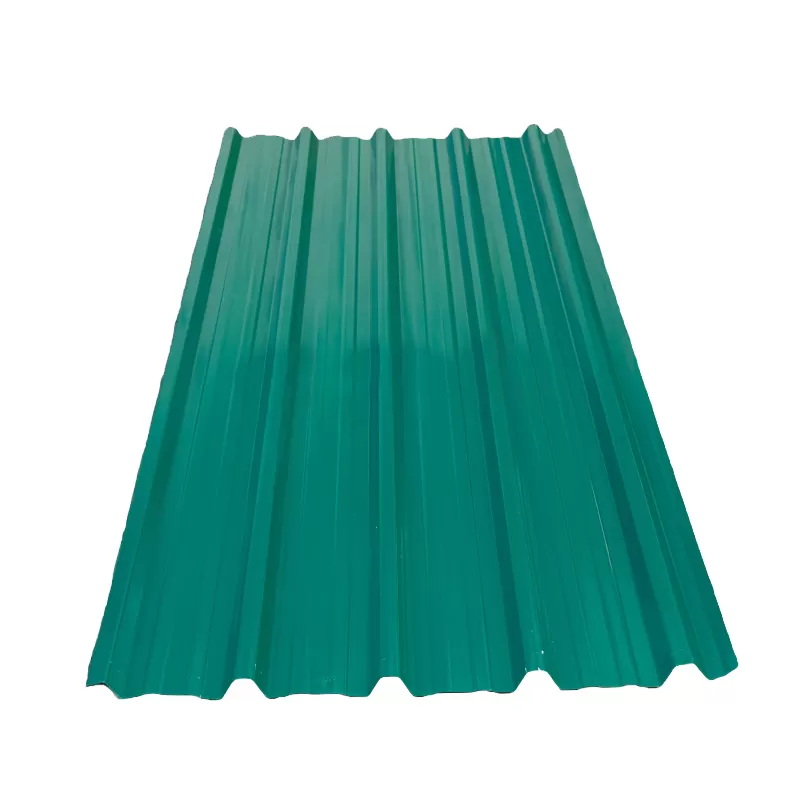
Box Profile (Glossy, Gauge 28)
KSh 650.00
Our Box Profile iron sheets are crafted for superior durability and exceptional weather resistance, making them the ideal choice for long-lasting roofing solutions across Kenya. To make your project even more convenient, we offer free delivery across Kenya when one orders 40 pieces and above. Trust us for reliable products and dependable service for all your building needs.
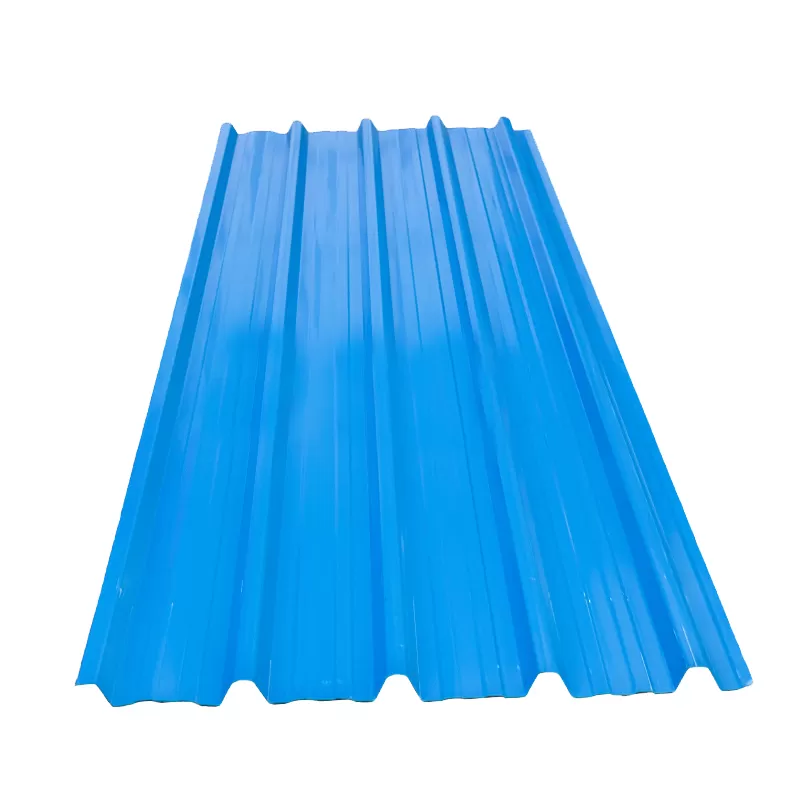
Box Profile (Glossy)
KSh 470.00
Our Box Profile iron sheets are crafted for superior durability and exceptional weather resistance, making them the ideal choice for long-lasting roofing solutions across Kenya. To make your project even more convenient, we offer free delivery across Kenya when one orders 40 pieces and above. Trust us for reliable products and dependable service for all your building needs.
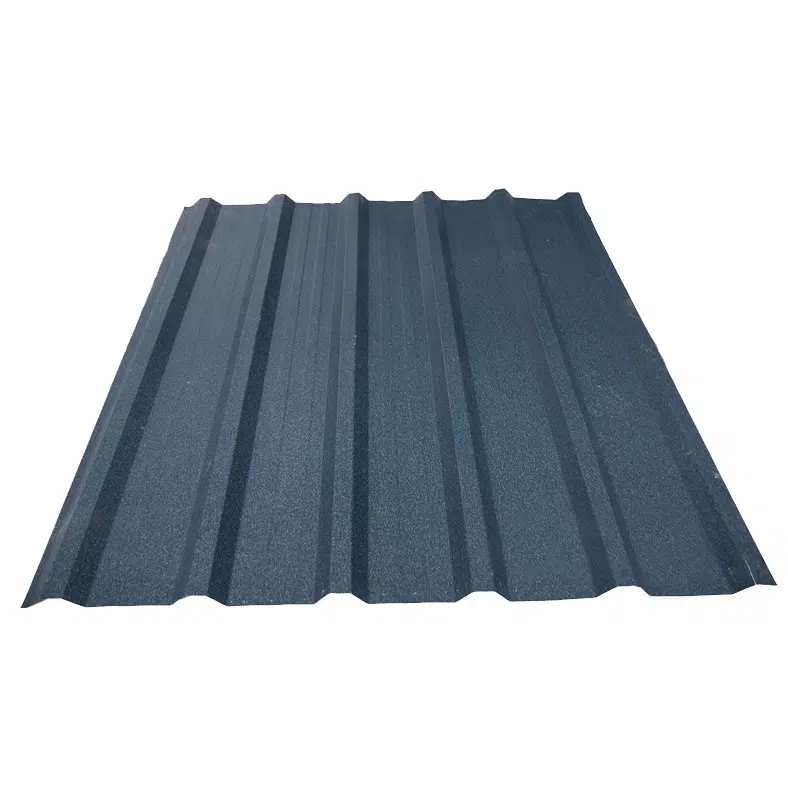
Box Profile (Matte, Gauge 28)
KSh 680.00
Our Box Profile iron sheets are crafted for superior durability and exceptional weather resistance, making them the ideal choice for long-lasting roofing solutions across Kenya. To make your project even more convenient, we offer free delivery across Kenya when one orders 40 pieces and above. Trust us for reliable products and dependable service for all your building needs.
Box Profile (Matte)
KSh 530.00
Our Box Profile iron sheets are crafted for superior durability and exceptional weather resistance, making them the ideal choice for long-lasting roofing solutions across Kenya. To make your project even more convenient, we offer free delivery across Kenya when one orders 40 pieces and above. Trust us for reliable products and dependable service for all your building needs.


Corrugated Iron Sheet (Gauge 30)
KSh 470.00
Our corrugated iron sheets are crafted for superior durability and exceptional weather resistance, making them the ideal choice for long-lasting roofing solutions across Kenya. To make your project even more convenient, we offer free delivery across Kenya when one orders 40 pieces and above. Each high-quality sheet provides excellent value for money, ensuring your structure is protected for years to come. Trust us for reliable products and dependable service for all your building needs.


Elegantile (Glossy, Gauge 28)
KSh 670.00
Our Elegant Tile profile are crafted for superior durability and exceptional weather resistance, making them the ideal choice for long-lasting roofing solutions across Kenya. To make your project even more convenient, we offer free delivery across Kenya when one orders 40 pieces and above. Trust us for reliable products and dependable service for all your building needs.
Elegantile (Glossy, Gauge 30)
KSh 550.00
Our Elegant Tile profile are crafted for superior durability and exceptional weather resistance, making them the ideal choice for long-lasting roofing solutions across Kenya. To make your project even more convenient, we offer free delivery across Kenya when one orders 40 pieces and above. Trust us for reliable products and dependable service for all your building needs.


Elegantile (Matte, Gauge 28)
KSh 680.00
Our Elegant Tile profile with matte texture are crafted for superior durability and exceptional weather resistance, making them the ideal choice for long-lasting roofing solutions across Kenya. To make your project even more convenient, we offer free delivery across Kenya when one orders 40 pieces and above. Trust us for reliable products and dependable service for all your building needs.
Elegantile (Matte, Gauge 30)
KSh 580.00
Our Elegant Tile profile with matte texture are crafted for superior durability and exceptional weather resistance, making them the ideal choice for long-lasting roofing solutions across Kenya. To make your project even more convenient, we offer free delivery across Kenya when one orders 40 pieces and above. Trust us for reliable products and dependable service for all your building needs.
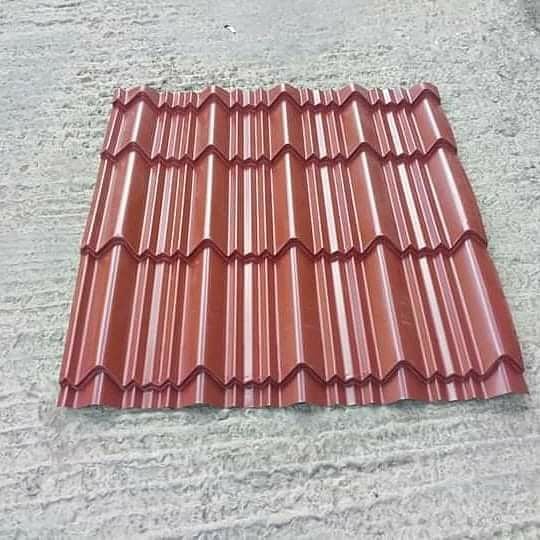
Versatile (Glossy, Gauge 28)
KSh 670.00
Our versatile iron sheets are crafted for superior durability and exceptional weather resistance, making them the ideal choice for long-lasting roofing solutions across Kenya. To make your project even more convenient, we offer free delivery across Kenya when one orders 40 pieces and above. Trust us for reliable products and dependable service for all your building needs.
Versatile (Glossy, Gauge 30)
KSh 550.00
Our versatile iron sheets are crafted for superior durability and exceptional weather resistance, making them the ideal choice for long-lasting roofing solutions across Kenya. To make your project even more convenient, we offer free delivery across Kenya when one orders 40 pieces and above. Trust us for reliable products and dependable service for all your building needs.

Versatile (Matte, Gauge 28)
KSh 680.00
Our versatile iron sheets are crafted for superior durability and exceptional weather resistance, making them the ideal choice for long-lasting roofing solutions across Kenya. To make your project even more convenient, we offer free delivery across Kenya when one orders 40 pieces and above. Trust us for reliable products and dependable service for all your building needs.
Method 5: Waterproofing Sealants
What Are Waterproofing Sealants?
Waterproofing sealants occupy a specialized niche—not whole-roof solutions but essential tools for targeted waterproofing needs. These paste-like or caulk-form materials come in cartridges or buckets, designed for manual application using caulking guns, trowels, or spatulas. Sealants bridge the gap between complete waterproofing systems and spot repairs, offering quick solutions for localized problems. Chemically, sealants utilize polyurethane, silicone, acrylic, or hybrid polymer formulations that cure from liquid/paste consistency into flexible, waterproof barriers. Unlike membranes covering entire roof surfaces, sealants target specific vulnerabilities: expansion joints, pipe penetrations, parapet wall connections, or crack repairs. Think of them as waterproofing’s tactical weapons rather than strategic systems—precision tools solving specific problems efficiently.
When to Use Sealants
Understanding sealant applications prevents misuse and ensures proper waterproofing:
Crack repair represents sealants’ primary function. Kenya’s concrete structures develop cracks from thermal stress, structural settlement, or shrinkage. Cracks wider than 2mm require sealing before applying membrane waterproofing—sealants fill these voids, creating flexible bridges that accommodate continued movement without re-cracking. For hairline cracks under 0.5mm, sealants work as standalone repairs.
Joint sealing between different building elements demands sealant expertise. Where roof membranes meet parapet walls, where different roof sections join at expansion joints, or where equipment curbs penetrate waterproofing—these transitions need flexible sealants maintaining watertight integrity despite differential movement. Construction joints in concrete slabs particularly benefit from polyurethane sealants’ elongation capacity.
Localized waterproofing suits small areas too limited for full membrane systems. A 2 sqm equipment platform, a small roof hatch frame, or isolated leak spots from physical damage all benefit from sealant application. Quick, economical, and effective for areas under 5 sqm, sealants solve problems without mobilizing full waterproofing crews.
Emergency fixes save buildings during unexpected leaks. When torrential rains expose waterproofing failures mid-storm, sealants provide temporary relief until permanent repairs can be scheduled. Keep quality polyurethane sealants on-site for rapid response—they cure even in damp conditions, making emergency application feasible during active leaks.
Application Process
Professional sealant application follows specific steps:
Surface cleaning removes contaminants preventing adhesion. Wire brushes, grinders, or power washers eliminate dust, loose concrete, oil, and old deteriorated sealant. Joint surfaces must be clean, dry, and sound. Many contractors skip this step, leading to premature sealant failure—don’t make this mistake.
Primer application enhances bond strength, particularly on porous concrete. Compatible primers (usually solvent-based for polyurethane sealants) get brushed onto joint faces 30 minutes before sealant application. Primers penetrate surface porosity, creating mechanical bonds that prevent sealant pull-out under stress.
Sealant application technique determines performance. For joints, install backer rods (foam tubes) to control sealant depth and prevent three-sided adhesion that restricts movement. Apply sealant in continuous beads without voids or bubbles, tooling the surface to ensure proper contact with both joint faces. Maintain recommended width-to-depth ratios (typically 2:1) for optimal performance.
Curing time varies by product—polyurethane sealants need 24-48 hours, silicones cure in 12-24 hours, while fast-cure emergency formulations skin over in 1-2 hours. Protect fresh sealant from rain, foot traffic, or debris until fully cured.
Limitations
Sealants aren’t universal waterproofing solutions:
Not for whole-roof coverage—attempting to waterproof entire roofs with sealants fails economically and technically. The material cost per square meter exceeds proper membrane systems, while achieving uniform thickness and coverage proves impractical. Sealants complement membrane waterproofing; they don’t replace it.
Temporary vs permanent solutions creates confusion. Emergency sealant repairs provide temporary relief—plan permanent waterproofing within weeks or months. Sealants exposed to continuous UV and weathering degrade faster than membranes engineered for such exposure. Budget for proper fixes, not endless sealant reapplication.
Related Question: Can sealants replace full waterproofing?
No, sealants cannot replace comprehensive waterproofing systems for flat roofs. They lack the coverage, thickness, UV resistance, and longevity that membrane systems provide. Attempting whole-roof waterproofing with sealants would cost 3-5 times more than APP or liquid membranes while delivering inferior 3-5 year performance versus membranes’ 15-30 years. Use sealants for their intended purpose—joint sealing, crack repair, and localized waterproofing—while specifying proper membrane systems for primary roof protection. Buildings require comprehensive waterproofing strategies where each component serves its designed function.
Method 6: Polyurea Coatings
What is Polyurea Coating?
Polyurea coating represents the cutting edge of waterproofing technology, a space-age material that transforms from liquid to solid in seconds, creating seamless barriers with performance characteristics surpassing traditional systems. Polyurea forms when isocyanate reacts with amine resins, producing elastomeric polymers insensitive to moisture during curing. This chemistry delivers remarkable properties: the material sprays as liquid, gels within 5-10 seconds, and achieves full cure in minutes. Unlike polyurethane (note the different spelling) which requires atmospheric moisture to cure, pure polyurea’s reaction is self-contained, proceeding rapidly regardless of environmental conditions. Applied via specialized high-pressure spray equipment heating components to 70-75°C and delivering them at 2,000-3,000 PSI, polyurea creates monolithic membranes from 1mm to 5mm thick in single passes. For Kenya’s most demanding waterproofing applications, commercial buildings, industrial facilities, critical infrastructure, polyurea offers unmatched performance despite premium costs.
Unique Properties
Polyurea’s characteristics set it apart from conventional waterproofing:
400%+ elongation capacity means polyurea membranes stretch to more than four times their original length before breaking. This extraordinary flexibility accommodates severe structural movement, thermal expansion, or substrate cracking without compromising waterproofing. Compare this to APP bitumen’s 5-10% elongation or acrylic coatings’ 100-150%, polyurea operates in a different performance class entirely.
UV resistance through aliphatic formulations keeps membranes stable under Kenya’s intense solar radiation. While aromatic polyurea discolors and chalks with UV exposure (used as base coats under UV-stable top coats), aliphatic varieties maintain color and mechanical properties indefinitely. This UV stability extends service life beyond 30 years, equipment as old as the technology itself (late 1980s) remains functional today.
Seamless application creates literally zero weak points. The spray process covers every square centimeter uniformly, flowing around penetrations, into corners, and across irregular surfaces without joints, seams, or mechanical fasteners. This monolithic membrane eliminates the #1 cause of waterproofing failure, seam separation.
Chemical resistance protects against oils, fuels, acids, and alkalis that degrade other waterproofing materials. For industrial buildings or roofs near factories emitting airborne pollutants, polyurea’s chemical immunity prevents premature deterioration. The material even resists bacterial and fungal attack, maintaining integrity in perpetually damp environments.
Temperature flexibility from -40°C to +150°C means polyurea performs in extreme conditions. While Kenya’s climate stays mild (10-35°C), this temperature tolerance indicates molecular stability, the material won’t soften, crack, or degrade across the temperature range buildings experience.
Types of Polyurea
Two polyurea varieties serve different functions:
Aliphatic (UV-stable topcoat) polyurea costs roughly double aromatic formulations but provides irreplaceable UV resistance and color stability. Use aliphatic polyurea as final coats on exposed roofs where sunlight constantly bombards the surface. The material’s transparency allows colored pigments to remain vibrant, important for architectural applications where aesthetics matter. Most Kenyan projects using polyurea specify aliphatic top coats over aromatic base coats, optimizing performance and cost.
Aromatic (base coat) polyurea delivers exceptional mechanical properties, tensile strength, abrasion resistance, waterproofing, at lower cost than aliphatic versions. The trade-off? UV exposure causes discoloration (yellowing/darkening) and surface chalking, though waterproofing performance remains unaffected. Use aromatic polyurea as base coats beneath aliphatic topcoats, or for unexposed applications like basement waterproofing or under-deck protection.
Application Process
Polyurea application demands specialized expertise:
Surface preparation matches or exceeds requirements for other systems. Abrasive blasting (sandblasting) provides ideal surface profile, though intensive grinding works for smaller projects. Remove all contaminants, loose material, and ensure moisture content stays below 5%. Unlike some waterproofing that tolerates damp substrates, polyurea requires dry surfaces for optimal bonding.
Primer selection depends on substrate type. Polyurea bonds directly to many surfaces (concrete, metal, wood), but primers enhance adhesion and prevent substrate outgassing that can cause blisters. Epoxy primers suit concrete, while specialized polyurea primers prepare metal surfaces. Allow primers to cure completely before polyurea application, rushing this step invites failure.
Spray application requires significant capital investment. Professional-grade polyurea spray rigs cost $30,000-$100,000 USD, putting this technology beyond typical residential contractors. The equipment heats isocyanate and resin components, pumps them through insulated hoses at precise ratios, and mixes them at the spray gun instant before application. Operators need extensive training, improper temperature, pressure, or mixing creates defective membranes despite premium material costs.
Detail work (flashings, penetrations) receives special attention. Before spraying main roof areas, applicators manually detail all penetrations, edges, and transitions using specialized trowel-grade polyurea. This ensures adequate thickness in corners and around protrusions where spray application might leave thin spots. Professional crews spend 30-40% of project time on details, corners, edges, and transitions determining long-term waterproofing success.
Quality checks verify membrane thickness and integrity. Ultrasonic thickness gauges measure dry film thickness across the roof, ensuring specification compliance. Pull tests assess adhesion strength, while visual inspection catches surface defects like bubbles, pinholes, or contamination. Reputable contractors document quality control, providing proof of proper installation.
Advantages Over Traditional Methods
Polyurea’s benefits justify premium pricing:
Fast installation slashes project timelines. What takes 5-7 days with APP membrane or 3-4 days with liquid waterproofing, polyurea completes in 1-2 days. The rapid cure means roof access returns within hours, not days, critical for commercial buildings where extended roof closures disrupt operations. One Kenya project waterproofed a 2,000 sqm hospital roof over a single weekend, avoiding weekday disruption to patient care.
No seams or joints eliminates traditional waterproofing’s weakest link. Every mechanically-joined system has seams, heat-welded, taped, or adhesively bonded connections between membrane sheets. Despite careful installation, seams remain potential failure points. Polyurea’s spray application creates truly seamless coverage, dramatically reducing leak probability.
Extreme durability translates to decades of trouble-free performance. Polyurea resists abrasion (foot traffic), impact (falling equipment), chemicals (airborne pollutants), UV radiation (tropical sun), and temperature cycling (day-night swings), essentially every challenge Kenya’s environment presents. Properly installed polyurea systems commonly exceed 30-year lifespans, with some projects approaching 40 years still performing flawlessly.
Withstands ponding water indefinitely without degradation. Many waterproofing materials deteriorate under continuous water immersion, bitumens soften, adhesives fail, membranes delaminate. Polyurea remains completely stable submerged for months or years, making it ideal for roofs with drainage challenges or intentional water features.
Cost Considerations
Polyurea represents significant investment:
Higher initial investment ranges KES 2,500-4,000 per square meter installed—roughly double APP membrane costs and 50-75% more than premium liquid polyurethane systems. This premium reflects specialized equipment, skilled labor requirements, and superior material properties. Small projects (under 200 sqm) pay proportionally more due to equipment mobilization costs spread over limited area.
Long-term cost savings emerge over decades. Calculate lifecycle costs: polyurea at KES 3,000/sqm lasting 35 years equals KES 86 per square meter annually. APP membrane at KES 1,500/sqm lasting 15 years equals KES 100 annually. Polyurea actually costs less long-term while delivering superior performance. Factor in reduced maintenance (minimal), avoided leak damage (zero if properly installed), and extended building life (significant).
Professional application requirement limits DIY or cut-rate installation. Unlike brushable liquid waterproofing or torch-applied membranes that skilled general contractors handle, polyurea demands specialized applicators. Kenya has limited certified polyurea contractors—primarily in Nairobi and Mombasa. This scarcity sometimes delays projects or increases costs through contractor travel expenses to upcountry sites. When specifying polyurea, verify contractor credentials thoroughly—spray equipment operators need 40+ hours hands-on training for competency.
Method 7: Built-Up Roofing (BUR) Systems
What Are BUR Systems?
Built-Up Roofing (BUR) systems—affectionately called “tar and gravel roofs”—represent waterproofing’s oldest continuous tradition, protecting flat roofs for 100+ years. This time-tested technology layers multiple plies (sheets) of reinforcing felt with bitumen adhesive, creating thick, redundant waterproofing membranes. The construction resembles lasagna: base sheet, hot bitumen, ply sheet, more bitumen, another ply sheet, final bitumen, and topping (gravel or cap sheet). This alternating pattern builds 6-12mm thick membranes—far thicker than single-ply systems’ 1-2mm. Kenya’s commercial building sector still specifies BUR for large warehouses, industrial facilities, and budget-conscious projects where proven performance matters more than cutting-edge technology. While newer systems offer advantages, BUR’s track record speaks loudly—properly installed and maintained systems routinely achieve 25-30 year lifespans, with some installations exceeding 40 years.
BUR System Components
Understanding BUR requires examining each layer:
Base sheet establishes waterproofing foundation. This heavy felt (typically fiberglass-reinforced) gets mechanically fastened or adhered to the roof deck with hot or cold bitumen. Base sheets provide initial water protection and create surface texture for subsequent bitumen bonding. Quality base sheets weigh 2-3 kg/sqm, containing 80-120 g/sqm of fiberglass reinforcement that prevents tearing and improves dimensional stability.
Ply sheets (felts) create BUR’s signature redundancy. These reinforcing fabrics—traditionally organic felts but now predominantly fiberglass mats—interleave with bitumen layers. Each ply adds 1.5-2mm waterproofing thickness. Standard BUR installations use 2-4 ply sheets, with 3-ply systems most common. The fiberglass reinforcement provides tensile strength, preventing membrane splitting under stress while allowing flexibility for thermal movement.
Bitumen layers glue everything together and provide primary waterproofing. Heated to 180-200°C, bitumen (asphalt or coal tar) gets mopped between ply sheets, creating 3-5mm thick adhesive layers that fuse the entire assembly into monolithic membrane. Quality matters—Type IV asphalt (softening point 120-130°C) performs best in Kenya’s hot climate, while lower grades soften excessively, causing problems.
Cap sheet or gravel surfacing protects underlying layers from UV degradation and physical damage. Traditional BUR uses flood coat (hot bitumen spread across finished membrane) covered with gravel ballast—typically 10-15 kg per sqm of river stone (10-20mm diameter). Modern variants use granule-surfaced cap sheets (modified bitumen membranes) eliminating loose gravel. Both approaches work—gravel provides superior fire resistance and UV protection, while cap sheets offer cleaner aesthetics and easier maintenance.
Installation Process
BUR installation follows methodical sequences:
Base sheet attachment begins with fastening or adhering the bottom membrane layer. Mechanical fastening uses specialty plates and screws at 300mm spacing along seams and 900mm in field areas, providing wind uplift resistance. Alternatively, hot bitumen adheres base sheets fully, though this requires dry roof decks (moisture turns to steam under hot bitumen, creating blisters).
Hot asphalt application demands careful temperature control. Contractors maintain kettle temperatures at 190-210°C—too cool and bitumen doesn’t flow properly, too hot and it degrades or smokes excessively. Workers mop hot bitumen in 1 meter wide bands, advancing systematically across the roof. Application rate matters: 1.5-2.5 kg per sqm provides adequate bonding without waste.
Ply sheet layering proceeds immediately after bitumen application. Crews unroll felts into wet bitumen, pressing them down with weighted rollers to eliminate air pockets and ensure complete bitumen contact. Side laps (where rolls meet laterally) need 75-100mm overlap; end laps (where rolls finish) require 150mm. Stagger end laps between layers—never stack them, as this creates thick spots and potential weak zones.
Surface finishing completes the system. For gravel BUR, workers flood the top layer with bitumen (3-4 kg/sqm), then immediately broadcast gravel into wet bitumen, achieving 95%+ coverage. Gravel pressing (light rolling) embeds stones into bitumen. For cap sheet finishing, torch or adhesive bonds mineral-surfaced modified bitumen over the final ply layer, creating UV-protected surface without loose gravel.
Advantages of BUR
Multiple factors explain BUR’s enduring popularity:
Redundant protection provides unmatched security. With 3-4 layers of waterproofing, single-point failures don’t cause immediate leaks. Puncture the top layer, and three backup layers continue protecting. This redundancy appeals to owners prioritizing reliability over aesthetics or cutting-edge technology.
Fire resistance achieves Class A ratings easily. Gravel-ballasted BUR systems resist fire spread better than any other flat roof system. Flying embers land on stone, not combustible material. For buildings near vegetation (wildfire risk) or in dense urban areas (building-to-building fire spread), BUR’s fire performance provides peace of mind. Kenya’s increasing fire safety regulations favor BUR for this reason.
Time-tested performance reduces uncertainty. With 100+ years of field experience, BUR behavior is perfectly understood. Contractors know installation procedures intimately, building inspectors recognize quality work, and maintenance crews handle repairs confidently. New technologies promise advantages, but BUR delivers proven results.
Cost-effectiveness positions BUR competitively. While labor-intensive, BUR material costs stay moderate—KES 600-900 per sqm for materials. Total installed costs (KES 1,400-1,800/sqm) undercut single-ply membranes (KES 1,600-2,300/sqm) and liquid systems (KES 1,800-2,500/sqm) while matching or exceeding their lifespans.
BUR Variants
Several BUR types serve different needs:
Gravel BUR uses traditional flood coat and stone ballast. Benefits include excellent fire resistance, superior UV protection, and attractive thermal mass (gravel moderates roof temperature). Drawbacks? Added weight (100-150 kg/sqm including membrane and gravel) requires structural capacity verification, while loose gravel complicates leak detection and equipment installation.
Smooth BUR eliminates gravel, finishing with aluminum or elastomeric coatings. Lighter weight (10-15 kg/sqm) suits structures unable to carry gravel loads. Easier maintenance and leak location offset somewhat reduced fire resistance compared to gravel variants.
Modified cap sheets combine BUR base layers with modern modified bitumen cap sheets. This hybrid approach marries BUR’s redundant protection with modified bitumen’s superior weather resistance and aesthetics. Popular for visible roofs where appearance matters—the mineral granule finish looks cleaner than gravel while outperforming smooth BUR’s coated surface.
Lifespan and Warranties
BUR investment returns span decades:
20-30+ years with maintenance represents typical BUR lifespan in Kenya’s climate. The multi-layer construction and thick bitumen layers resist degradation. Regular maintenance (inspections, drainage cleaning, damaged area repairs) extends life toward the upper range. Some Kenyan BUR installations from the 1980s still function today—40+ years later.
Warranty options include both material and workmanship coverage. Bitumen and felt manufacturers offer 10-15 year material defect warranties. Contractors provide 5-10 year installation warranties covering workmanship issues. Specifying quality materials and experienced contractors maximizes warranty coverage and long-term performance confidence.
Choosing the Right Method for Your Project
Factors to Consider
Selecting optimal waterproofing requires analyzing multiple variables:
Building type (residential vs commercial) influences method selection. Residential buildings typically prioritize economy, simplicity, and adequate performance—APP membranes or liquid waterproofing suit these needs. Commercial structures demand higher performance, longer warranties, and often need faster installation minimizing business disruption—single-ply membranes or polyurea excel here. Industrial buildings facing chemical exposure, heavy equipment, or harsh conditions may require polyurea’s extreme durability.
Roof size and complexity drive cost-effectiveness calculations. Small roofs (under 50 sqm) favor brush-applied liquid systems—mobilizing torch equipment or spray rigs for tiny areas wastes money. Large roofs (500+ sqm) achieve economies of scale with single-ply membranes or BUR systems where material efficiency and fast installation reduce per-square-meter costs. Complex roofs with numerous penetrations benefit from liquid waterproofing’s seamless navigation around obstacles.
Budget constraints often determine available options. Working with KES 100,000 for a 100 sqm roof limits choices—APP membranes or RBM systems fit (KES 1,200-1,500/sqm), while polyurea (KES 3,000+/sqm) exceeds budget. However, consider lifecycle costs: spending 30% more upfront for a system lasting twice as long actually saves money over your ownership period.
Climate conditions in different Kenyan regions affect performance. Coastal Mombasa’s salt air and high humidity favor polyurea or EPDM—materials resisting chemical degradation and maintaining properties in perpetual moisture. Highland areas (Nanyuki, Nyeri) with significant temperature swings need flexible systems like APP or TPO accommodating thermal cycling. Hot, arid regions (Garissa, Turkana) require UV-stable materials with high heat resistance.
Foot traffic requirements determine durability needs. Roofs used as patios, hosting regular equipment maintenance, or supporting HVAC installations need robust waterproofing—BUR, modified bitumen, or polyurea handle abuse. Rarely accessed roofs protecting storage areas can use lighter-duty systems like standard APP or liquid acrylic coatings without concern for wear patterns.
Decision Matrix
Match your situation to appropriate waterproofing:
Small residential roofs (50-150 sqm, limited budget, basic protection): APP bitumen membranes or brush-applied liquid waterproofing deliver reliable performance at KES 1,200-1,800/sqm. These systems install quickly, provide 15-20 year lifespan, and handle Kenyan climate effectively. Perfect for maisonettes, bungalows, and small apartment blocks.
Large commercial buildings (500+ sqm, long-term investment, demanding conditions): Single-ply TPO/PVC membranes or polyurea coatings justify premium pricing through extended lifespans (25-35 years), faster installation (reducing business disruption), and superior performance. Initial KES 1,800-3,000/sqm investment yields decades of trouble-free operation.
High-traffic areas (rooftop patios, equipment platforms, maintenance access routes): Built-Up Roofing or polyurea withstand abuse that destroys lighter systems. BUR’s multi-layer construction handles equipment loads and foot traffic, while polyurea’s incredible toughness resists punctures and abrasion. Budget KES 1,600-3,500/sqm for traffic-rated waterproofing.
Budget-conscious projects (maximum protection per shilling): RBM systems or standard BUR provide redundant protection at moderate cost (KES 1,400-1,600/sqm). While labor-intensive and traditional, these proven methods deliver 20-25 year performance without exotic materials or specialized equipment. Ideal for investors maximizing construction returns on rental properties.
Professional vs DIY
Understanding appropriate installation approaches prevents costly mistakes:
When to hire professionals: Complex waterproofing (polyurea, single-ply welding, multi-layer BUR) absolutely requires licensed contractors with proven experience. Even “simpler” systems like APP membrane need skilled torch operators—improper heating causes membrane damage or fire hazards. Hire professionals for roofs exceeding 100 sqm, projects involving warranties, or buildings where leaks cause significant damage (occupied structures, sensitive storage, expensive interiors).
Risks of DIY waterproofing: Enthusiastic homeowners attempting waterproofing typically create more problems than they solve. Common failures include inadequate surface preparation (poor bonding), insufficient membrane thickness (premature failure), improper seam overlap (immediate leaks), skipped primers (delamination), and incorrect material selection (performance issues). Failed DIY waterproofing costs double to fix—removing botched work plus installing proper systems. Save DIY energy for painting or landscaping; waterproofing demands professional expertise.
Related Question: Should I waterproof my flat roof myself?
Only attempt DIY flat roof waterproofing if you have relevant experience, proper tools, and the roof is small (under 50 sqm) with simple geometry. Brush-applied liquid acrylic systems suit DIY application—no torch, no specialized equipment, clear instructions. Even then, surface preparation determines success—95% of DIY failures trace to inadequate substrate cleaning and repair. For torch-applied membranes (APP, modified bitumen), spray systems (polyurea), or large roofs, hire professionals. The cost difference between DIY and professional installation (KES 400-800/sqm labor) pales compared to fixing failed DIY attempts (KES 2,000-3,000/sqm for removal and reinstallation). Consider that professional contractors provide warranties—your DIY work comes with zero guarantees. For most Kenyan homeowners, professional installation delivers better value despite higher initial cost.
Common Mistakes to Avoid
Learning from others’ errors prevents expensive failures:
Poor surface preparation causes 60-70% of premature waterproofing failures. Contractors rushing to finish skip critical cleaning, ignore loose concrete, or apply waterproofing over damp substrates. Result? Delamination within months. Demand thorough surface prep—power washing, grinding, crack repair—before any waterproofing material touches your roof. If contractors resist prep work, find different contractors.
Incorrect material thickness undermines system performance. Membranes applied too thin (trying to stretch materials) provide inadequate protection. Liquid waterproofing under 1.5mm dry thickness fails prematurely. Bitumen layers skimped to save money create weak barriers. Verify thickness during installation—wet film gauges for liquids, visual inspection for membranes. Quality contractors welcome verification; sketchy ones resist monitoring.
Inadequate drainage design dooms even perfect waterproofing eventually. Standing water degrades every material over time. Ensure minimum 1:80 roof slope toward drains, install adequate drain capacity (one 100mm drain per 100 sqm), and maintain clear drainage paths. During design phase, consult structural engineers ensuring proper drainage integration.
Hiring unskilled contractors produces catastrophic results. Kenya’s construction sector has many self-proclaimed “waterproofing experts” lacking training or experience. Demand references, inspect previous projects, verify NCA registration, and check material supplier relationships (quality suppliers only work with competent contractors). Cheap quotes often signal inexperience—skilled work costs more but delivers exponentially better results.
Skipping testing phase allows defects to hide until rain reveals them. Reputable contractors flood-test waterproofing before final acceptance—blocking drains, filling roof with 50mm water depth, monitoring for 24 hours. This reveals leaks immediately when repairs are simple. Post-occupancy leak discovery costs 10-20 times more to fix due to interior damage, access difficulties, and urgency premiums.
Related Question: What are common waterproofing failures in Kenya?
Kenya’s most frequent waterproofing failures stem from workmanship issues rather than material defects. Poor membrane overlaps (insufficient width, incomplete sealing) create leak paths during heavy rains. Inadequate detailing around penetrations—pipes, vents, equipment supports—allows water infiltration where waterproofing meets protrusions. Improper substrate preparation causes delamination as membranes separate from roof surfaces. Using incompatible materials (wrong primers, mixing product brands, applying materials outside temperature ranges) produces chemical bonding failures. Finally, deferred maintenance allows small problems—blocked drains, minor cracks, vegetation growth—to escalate into major leaks requiring complete waterproofing replacement. Most failures are preventable through hiring skilled contractors, proper supervision, and regular maintenance.
Maintenance and Inspection
Protecting your waterproofing investment requires ongoing attention:
Regular inspection schedule catches problems early. Examine roofs twice yearly—before and after rainy seasons (February and September). Look for ponding water indicating drainage issues, surface cracks suggesting substrate movement, membrane bubbles or delamination showing bonding failure, vegetation growth (roots penetrate waterproofing), and physical damage from equipment or debris.
Drainage cleaning prevents 80% of flat roof water damage. Clean debris from drains, downspouts, and scuppers quarterly—minimum. After storms, remove leaves, branches, and accumulated sediment immediately. Clogged drains create ponding that accelerates waterproofing deterioration and adds structural load beyond design capacity.
Early leak detection saves thousands in repair costs. Water stains on ceilings signal waterproofing failure—investigate immediately. Infrared thermography (available from specialized contractors) identifies wet insulation or substrate areas invisible to visual inspection, pinpointing leaks before interior damage occurs.
Professional maintenance services extend waterproofing life substantially. Annual professional inspections (KES 15,000-30,000 depending on roof size) by certified contractors identify minor issues before they become major problems. These services typically include cleaning, seam inspection, minor repairs, and documentation for warranty compliance. Budget 1-2% of initial waterproofing cost annually for maintenance—this modest investment protects your much larger waterproofing investment.
Frequently Asked Questions
How much does waterproofing a 100 sqm flat roof cost in Kenya?
Waterproofing costs for a 100 sqm flat roof in Kenya range KES 120,000-400,000 depending on system selection and location. APP bitumen membranes cost approximately KES 120,000-180,000, reinforced bitumen membranes run KES 140,000-200,000, single-ply TPO/PVC systems range KES 160,000-230,000, liquid waterproofing costs KES 180,000-250,000, built-up roofing runs KES 160,000-220,000, while premium polyurea coatings reach KES 250,000-400,000. These figures include materials, labor, surface preparation, and basic warranties. Nairobi and Mombasa prices exceed upcountry rates by 25-35%. Complex roofs with multiple penetrations or access challenges add 15-25% to base costs.
Which waterproofing method lasts longest?
Polyurea coatings last longest, typically 30-40 years in Kenya's climate when properly installed and maintained. Single-ply PVC and EPDM membranes follow closely at 30-35 years, while quality liquid polyurethane systems achieve 25-30 years. TPO membranes, built-up roofing, and reinforced bitumen systems deliver 20-25 years, with APP membranes providing 15-20 years. However, actual lifespan depends heavily on installation quality, maintenance diligence, and exposure conditions. A well-maintained APP system can outlast a neglected polyurea installation. Regular inspections, drainage maintenance, and prompt repairs matter more than material choice alone.
Can I apply new waterproofing over old membranes?
Sometimes yes, often no—professional assessment is crucial. You can overlay certain waterproofing systems if the existing membrane remains structurally sound (no delamination, minimal degradation) and properly adhered. Compatible overlays include liquid waterproofing over APP or modified bitumen, new APP over old APP, and BUR over existing BUR. However, overlaying adds weight (structural concern), can trap moisture between layers (causing failures), and may void warranties. Complete removal and replacement, though costlier initially, typically provides better long-term value—you get full warranties, verified substrate condition, and optimal performance. For renovation projects, budget for removal unless professionals confirm overlay suitability.
How do I know if my flat roof waterproofing has failed?
Several signs indicate waterproofing failure: interior water stains or actual leaks during rain, visible cracks or splits in membrane surfaces, bubbling or delamination where membranes separate from substrates, ponding water remaining 48+ hours after rain (suggests drainage failure or surface degradation), musty odors indicating hidden moisture infiltration, and visible vegetation growth showing roots penetrating waterproofing. Don't wait for obvious leaks—annual professional inspections using thermal imaging detect hidden moisture before interior damage occurs. Early intervention costs a fraction of major leak repairs.
What's the best waterproofing for heavy rainfall areas?
For Kenya's high-rainfall regions (Central Highlands, Western Kenya receiving 1,500+ mm annually), specify systems handling sustained water exposure and ponding. Liquid polyurethane waterproofing excels—seamless application eliminates seam failures, while the material withstands continuous moisture without degradation. Single-ply TPO/PVC membranes with heat-welded seams also perform excellently, as welded joints resist water infiltration better than adhesive bonds. Built-up roofing with gravel ballast provides time-tested protection through multiple redundant layers. Avoid cementitious waterproofing (cracks with temperature cycling) and basic acrylic coatings (limited water immersion resistance). Combine any system with robust drainage design—even the best waterproofing fails if water can't escape.
Do I need to remove gravel before waterproofing?
Yes, existing gravel must be completely removed before installing new waterproofing. Gravel hides substrate defects, prevents proper surface preparation, and interferes with membrane bonding. Attempting to waterproof over gravel guarantees failure—membranes won't adhere, and you can't verify roof condition. Gravel removal costs KES 50-100 per sqm including disposal, adding to renovation expenses. Budget for this essential step. After new waterproofing installation, you can reapply gravel if using BUR or EPDM ballasted systems, though most renovations specify gravel-free finishes for easier future maintenance.
How long does waterproofing installation take?
Installation duration varies by system and roof size. For a typical 100 sqm residential flat roof: APP or RBM installation takes 2-4 days (surface prep, priming, membrane application), single-ply membranes require 2-3 days (prep, membrane layout, seam welding), liquid waterproofing needs 3-5 days (prep, multiple coat application, curing time), BUR systems take 3-5 days (prep, multi-layer construction), while polyurea spray coating completes in 1-2 days (fastest option). Large commercial projects scale proportionally. Weather significantly impacts scheduling, rain delays torch-applied and liquid systems. Quality contractors never rush waterproofing regardless of pressure, proper curing and drying between steps ensures long-term performance.
What maintenance does waterproofed flat roofs need?
Effective maintenance includes quarterly drain cleaning (removing leaves, debris, sediment), semi-annual visual inspections checking for cracks, bubbles, or vegetation, annual professional inspections with thermal imaging (KES 15,000-30,000), immediate removal of ponding water that persists 48+ hours, prompt repair of physical damage from equipment or fallen debris, and reapplication of protective coatings (for BUR or liquid systems) every 5-10 years. Keep a maintenance log documenting inspections, repairs, and costs—this protects warranties and helps identify recurring issues. Budget 1-2% of initial waterproofing cost annually for maintenance—modest investment protecting your larger waterproofing expenditure and preventing interior water damage costing 10-20 times more than preventive maintenance.
Can waterproofing stop existing leaks?
Yes, but only if properly diagnosed and prepared. Surface waterproofing stops leaks originating from membrane failure, surface cracks, or seam separation—common causes. However, waterproofing can't fix structural issues (cracks from settlement exceeding waterproofing elasticity), positive water pressure from below (groundwater forcing through slab), or condensation problems (moisture from interior air). Before waterproofing leak-prone roofs, professionals must identify root causes—sometimes structural repairs, drainage modifications, or substrate stabilization precede waterproofing. Applying waterproofing without addressing underlying problems simply delays inevitable failure. Proper leak investigation costs KES 20,000-50,000 but prevents wasting money on ineffective treatments.
Is waterproofing warranty important?
Absolutely critical—warranties protect your investment and indicate contractor confidence. Quality installations include two warranties: material manufacturer's warranty (10-20 years covering product defects) and contractor's workmanship warranty (5-15 years covering installation errors). Read warranties carefully—most exclude damage from building settlement, improper maintenance, modifications by others, or acts of nature. Warranty requires regular inspections and maintenance documentation. Without warranty, you bear full cost of premature failures—even if caused by defective materials or poor installation. Always choose contractors offering comprehensive written warranties and verify they're financially stable enough to honor future claims.
What causes waterproofing to bubble or blister?
Bubbles and blisters indicate trapped moisture or air beneath waterproofing membranes. Primary causes include applying waterproofing over damp substrates (moisture vaporizes under heat or curing, creating pressure lifting membranes), substrate outgassing (air escaping from porous concrete through permeable waterproofing), improper priming (inadequate substrate sealing allows moisture migration), and installation during rain or high humidity (moisture infiltrates before waterproofing cures). Prevention requires thorough surface drying before installation, proper primer application, moisture testing (ensuring under 5% substrate moisture content), and weather-appropriate scheduling. Existing blisters need cutting open, drying thoroughly, and patching—ignoring them leads to membrane failure as blisters expand and eventually rupture.
How do I choose a waterproofing contractor?
Select contractors using these criteria: verify current NCA registration (confirms legal compliance and minimum competency), inspect 3-5 completed projects of similar scope (assess quality firsthand), check supplier relationships (quality manufacturers only partner with capable contractors), request detailed written proposals (vague quotes suggest inexperience), confirm warranty offerings (10+ year combined material/workmanship), verify insurance coverage (protects you from installation accidents), and interview past clients (reveals reliability, professionalism, post-installation support). Avoid contractors offering prices 30%+ below market averages—extreme low-balling indicates corners will be cut. Quality waterproofing costs similar amounts across competent contractors; huge variation signals different quality levels, not bargaining opportunities.


