Technology Insights

Top 10 Tallest Buildings in Zambia

Top 10 Tallest Buildings in Zambia

This comprehensive guide examines Zambia’s tallest buildings, revealing how structures like Findeco House and Society House reflect the nation’s economic journey from 1970s prosperity through decline to current renewal. The article explores architectural styles, construction history, and cultural significance of these vertical landmarks.

Top 10 Tallest Buildings in Zambia represent more than just concrete and steel reaching for the sky. They're powerful symbols of national ambition, economic resilience, and architectural evolution. From the Yugoslav-designed Findeco House that dominated Lusaka's landscape for over four decades to the newly completed Pyramid Continental Hotel breaking height records, these structures tell compelling stories about Zambia's journey through prosperity, decline, and renewal.

Understanding Zambia's Vertical Landscape

What Qualifies as a Tall Building in Zambia?

In the Zambian context, a tall building typically exceeds 10 floors or 35 meters in height. Unlike global cities where skyscrapers routinely surpass 300 meters, Zambia’s tallest structures reach approximately 90-100 meters. This reflects the nation’s development trajectory and economic history.

The National Construction Authority regulations in Kenya provide similar frameworks for high-rise construction across East Africa. Understanding these standards helps contextualize Zambian architectural achievements within regional parameters.

How Do Zambian Buildings Compare Regionally?

When measured against neighboring nations, Zambia’s vertical construction presents an interesting picture. The current tallest building stands at 90 meters with 23 floors, modest compared to Tanzania’s tallest buildings or Kenya’s towering structures. However, Zambia’s architectural heritage carries unique historical significance tied to post-independence optimism and Cold War-era international cooperation.

Related Question: Why hasn’t Zambia built taller structures? Economic cycles, particularly the copper price collapse in the late 1970s, dramatically slowed urban development. Additionally, Lusaka’s relatively low population density compared to Nairobi or Lagos reduced demand for intensive vertical construction.

1: Pyramid Continental Hotel - Zambia's New Height Champion

Pyramid Tower

The 27-Floor Game Changer

The Pyramid Continental Hotel is poised to claim the title of Zambia’s tallest building with its 27 floors. Located on Thabo Mbeki Road in Lusaka’s evolving central business district, this mixed-use development marks a significant shift in the nation’s architectural landscape. After decades of Findeco House’s unchallenged dominance, the Pyramid represents renewed confidence in Zambian urban development.

Construction began several years ago and is nearing completion as of 2025. The building’s design incorporates modern hotel facilities, commercial office space, and retail areas, creating a comprehensive mixed-use environment that reflects contemporary urban planning principles.

Architectural Significance and Urban Impact

What makes the Pyramid Continental Hotel unique extends beyond its height. The development signals a new era of private sector investment in Zambian infrastructure. Unlike the state-driven projects of the 1970s, this structure represents modern financing models and international partnership approaches.

The building’s location on Thabo Mbeki Road positions it within Lusaka’s expanding commercial corridor. This area is experiencing significant development, moving the city’s economic center of gravity eastward from the traditional Cairo Road district. Similar patterns are visible in urban apartment design trends in Nairobi, where new commercial hubs reshape metropolitan landscapes.

Related Question: Will the Pyramid Continental Hotel transform Lusaka’s tourism sector? The addition of premium hotel facilities in a landmark building could significantly boost Lusaka’s capacity to host international conferences, business travelers, and tourists. This aligns with Zambia’s broader economic diversification strategy beyond copper mining.

2: Findeco House - The Enduring Icon

Standing at 90 meters with 23 floors, Findeco House has been Zambia’s tallest building since 1978. Designed by Yugoslav architects Dušan Milenković and Branimir Ganović, this structure embodies brutalist architectural principles with its exposed concrete framework, geometric patterns, and utilitarian aesthetic.

Construction began in 1971 during Zambia’s copper boom and was completed in 1978. President Kenneth Kaunda officially opened the building, making it a symbol of national pride during an era of optimism. The structure was built by ZECCO, a now-defunct parastatal construction company renowned for executing ambitious projects during Zambia’s golden decade.

The building’s name derives from FINDECO (Finance Development Company), a state corporation involved in development financing. While the company ceased operations decades ago, the building continues bearing its name, serving as both functional office space and historical monument.

Brutalist Design Elements and Cold War Architecture

What is brutalist architecture? Brutalism is an architectural style characterized by raw concrete construction, bold geometric forms, and emphasis on structural honesty. Emerging in the mid-20th century, brutalism prioritized functionality and made no attempt to hide building materials or structural systems.

Findeco House exemplifies these principles with its cantilevered floors extending from a central concrete pillar, creating a gravity-defying appearance. Small windows arranged in abstract patterns contrast with massive concrete surfaces, producing the stark aesthetic brutalism is known for.

Related Question: Why was Yugoslavia involved in Zambian construction projects? During the Cold War, Yugoslavia positioned itself as a leader in the Non-Aligned Movement, cultivating relationships with newly independent African nations. Architectural projects became diplomatic tools, with Yugoslav firms designing structures across Africa and the Middle East. Other Yugoslav-designed Zambian buildings include the Mulungushi Conference Centre and University Teaching Hospital.

Current State and Cultural Significance

Today, Findeco House operates under National Housing Authority management, housing retail spaces and commercial offices. However, the building shows visible signs of aging. Wear and tear after 40+ years has left the facade deteriorated, and maintenance challenges persist.

Despite physical decline, Findeco House retains powerful cultural symbolism. Zambians colloquially use “FINDECO” to describe tall people or things. The building represents both the country’s ambitious past and the economic challenges that followed copper price collapses in the late 1970s.

For anyone studying load-bearing and framed structure differences, Findeco House provides an excellent case study in reinforced concrete framed construction with cantilevered floors.

Related Question: Can Findeco House be renovated to modern standards? Renovation remains technically feasible but financially challenging. Government ownership through the National Housing Authority means funding depends on public sector budget priorities. Some advocates propose private-public partnerships similar to Society House’s successful transformation.

3: Century House - Financial Services Hub

The Zambia National Building Society Headquarters

Century House stands 19 floors tall along Cairo Road, Lusaka’s historic commercial artery. This building serves as headquarters for the Zambia National Building Society (ZNBS), one of the nation’s oldest financial institutions.

The structure dates to Zambia’s post-independence construction boom, though exact completion dates remain less documented than landmark buildings like Findeco House. Its architectural style reflects the modernist trends of the 1970s, with clean lines and functional design prioritizing office efficiency over decorative elements.

Commercial and Financial Importance

Century House’s location on Cairo Road places it at the heart of Lusaka’s financial district. Multiple ZNBS branches operate from this building, serving both retail customers and commercial clients. The building houses banking halls, administrative offices, and secure facilities for financial operations.

ZNBS plays a crucial role in Zambian property development, offering mortgages and construction financing. The organization’s prominent headquarters building reinforces its market position and accessibility to clients.

Related Question: What financial institutions operate in Century House? Beyond ZNBS operations, Century House accommodates various financial service providers, insurance companies, and related businesses. The building’s central location makes it attractive for firms requiring visibility and accessibility.

Understanding concrete grade contractors rates in Kenya provides context for construction costs across the region, helping evaluate the investment required for similar structures.

4: Society House 

Society House presents one of Zambia’s most remarkable architectural redemption stories. This 19-floor structure was originally constructed during the 1970s copper boom, briefly holding the title of Zambia’s tallest building before Findeco House’s completion.

In the 1990s, disaster struck when fire gutted the building, leaving it abandoned for over a decade. The burnt-out shell stood as a depressing reminder of economic decline, looming over Cairo Road like a warning of what happens when maintenance and investment cease.

The $100 Million Transformation

In 2010, a joint venture between NAPSA (National Pension Scheme Authority) and ZNBS committed $100 million to completely redesign and renovate Society House. South African architect Robert Silke through Louis Karol Architects led the redesign, creating a modern mixed-use development that would restore the building’s former glory and exceed it.

The transformation took seven years, completing in 2017. The new Society House features copper-infused exterior design, paying homage to Zambia’s copper mining heritage. This design choice connects the building aesthetically to the nation’s primary economic resource while creating striking visual impact.

Hilton Garden Inn Integration

What makes Society House truly unique is the integration of the Hilton Garden Inn, featuring 130 rooms and marking Hilton’s first entry into the Zambian hospitality market. This combination of hotel, office space, multilevel parking, and retail creates a comprehensive urban hub spanning approximately 60,000 square meters.

The project demonstrates successful public-private partnership models. Government pension and building society organizations provided capital, while international expertise in architecture and hotel management brought operational excellence. Project management fell to Bicoin Zambia Ltd, a local firm.

Related Question: How did the fire affect Lusaka’s CBD? The Society House fire and subsequent abandonment contributed to perceptions of downtown Lusaka as declining. New investments moved to suburban areas like East Park. The building’s renovation symbolically reversed this trend, encouraging renewed confidence in CBD revitalization.

For professionals interested in tests required for high-rise building construction, the Society House renovation project implemented comprehensive structural assessments before reconstruction.

Related Question: What architectural firm designed Society House? Robert Silke through Louis Karol Architects handled the redesign. The firm has extensive experience with African urban development projects, including work in Cape Town and other major cities. Silke has since established his own practice, Robert Silke and Partners.

Order Construction Materials From Us Today

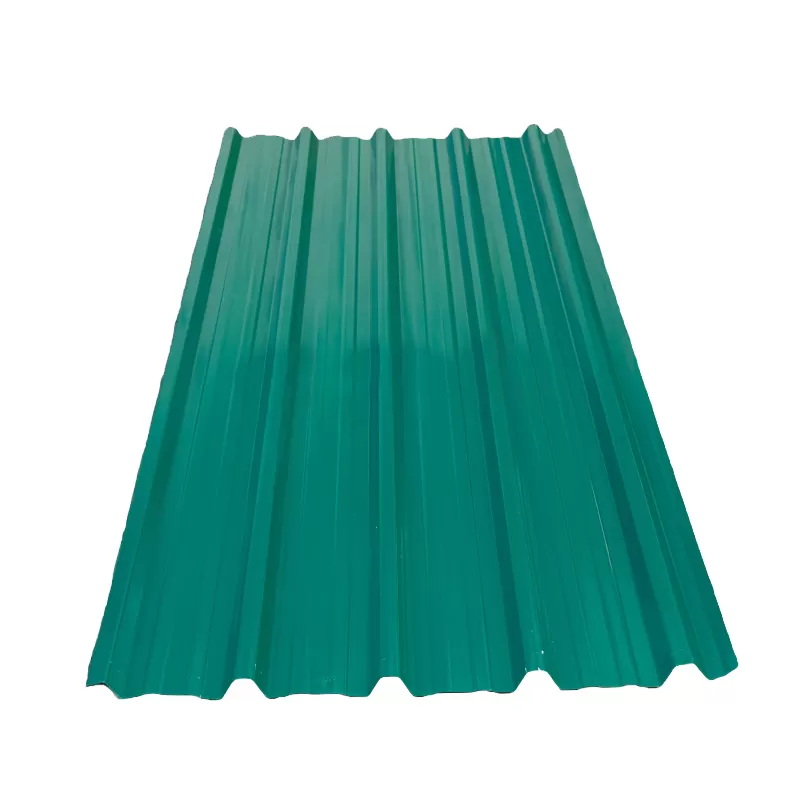
Box Profile (Glossy, Gauge 28)

KSh 650.00
Our Box Profile iron sheets are crafted for superior durability and exceptional weather resistance, making them the ideal choice for long-lasting roofing solutions across Kenya. To make your project even more convenient, we offer free delivery across Kenya when one orders 40 pieces and above. Trust us for reliable products and dependable service for all your building needs.
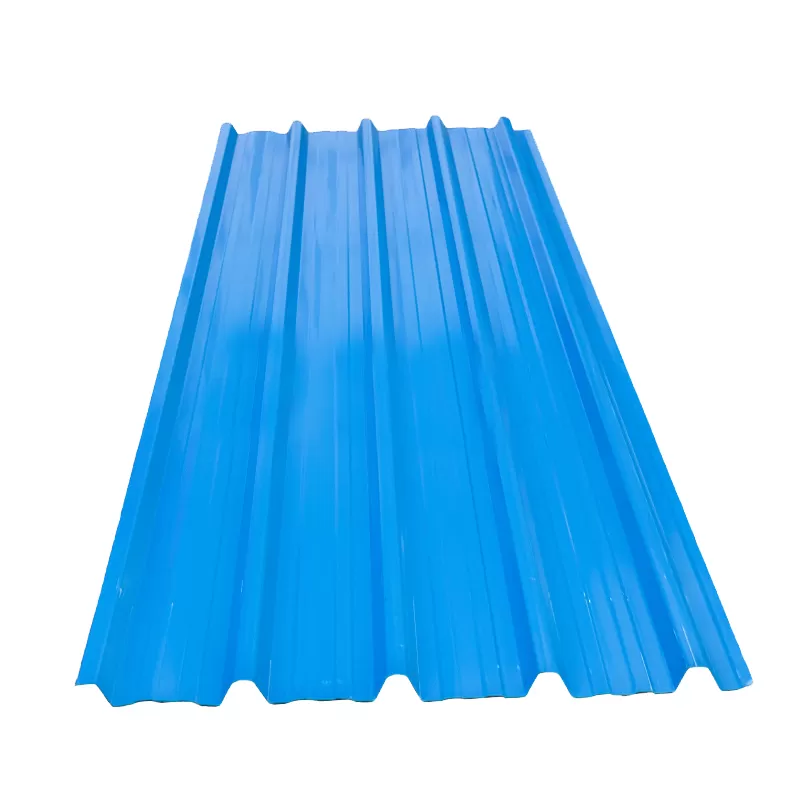
Box Profile (Glossy)

KSh 470.00
Our Box Profile iron sheets are crafted for superior durability and exceptional weather resistance, making them the ideal choice for long-lasting roofing solutions across Kenya. To make your project even more convenient, we offer free delivery across Kenya when one orders 40 pieces and above. Trust us for reliable products and dependable service for all your building needs.
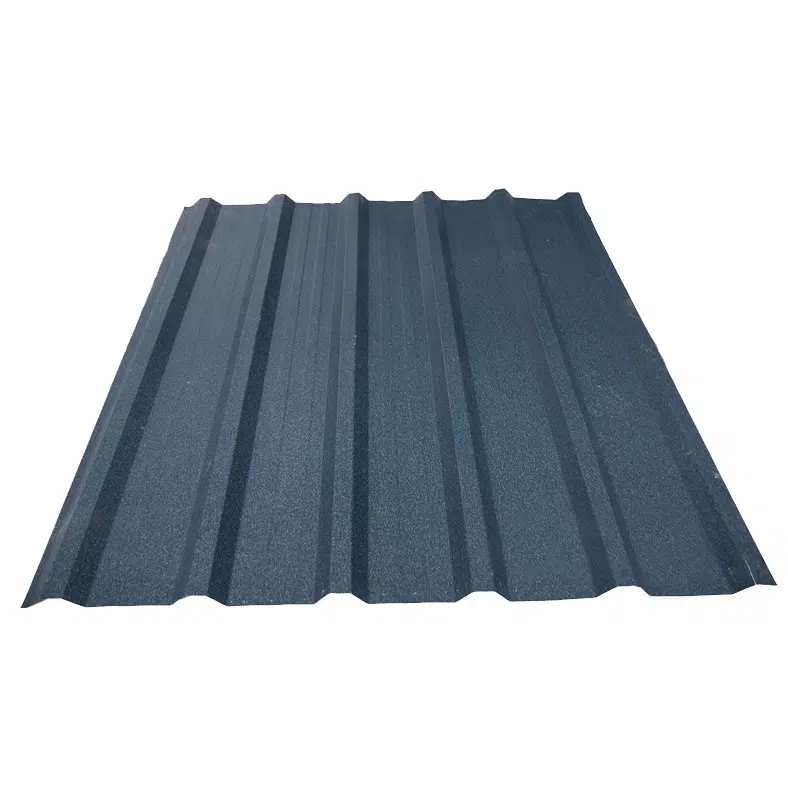
Box Profile (Matte, Gauge 28)

KSh 680.00
Our Box Profile iron sheets are crafted for superior durability and exceptional weather resistance, making them the ideal choice for long-lasting roofing solutions across Kenya. To make your project even more convenient, we offer free delivery across Kenya when one orders 40 pieces and above. Trust us for reliable products and dependable service for all your building needs.

Box Profile (Matte)

KSh 530.00
Our Box Profile iron sheets are crafted for superior durability and exceptional weather resistance, making them the ideal choice for long-lasting roofing solutions across Kenya. To make your project even more convenient, we offer free delivery across Kenya when one orders 40 pieces and above. Trust us for reliable products and dependable service for all your building needs.

Corrugated Iron Sheet (Gauge 30)

KSh 470.00
Our corrugated iron sheets are crafted for superior durability and exceptional weather resistance, making them the ideal choice for long-lasting roofing solutions across Kenya. To make your project even more convenient, we offer free delivery across Kenya when one orders 40 pieces and above. Each high-quality sheet provides excellent value for money, ensuring your structure is protected for years to come. Trust us for reliable products and dependable service for all your building needs.

Elegantile (Glossy, Gauge 28)

KSh 670.00
Our Elegant Tile  profile are crafted for superior durability and exceptional weather resistance, making them the ideal choice for long-lasting roofing solutions across Kenya. To make your project even more convenient, we offer free delivery across Kenya when one orders 40 pieces and above. Trust us for reliable products and dependable service for all your building needs.

Elegantile (Glossy, Gauge 30)

KSh 550.00
Our Elegant Tile  profile are crafted for superior durability and exceptional weather resistance, making them the ideal choice for long-lasting roofing solutions across Kenya. To make your project even more convenient, we offer free delivery across Kenya when one orders 40 pieces and above. Trust us for reliable products and dependable service for all your building needs.
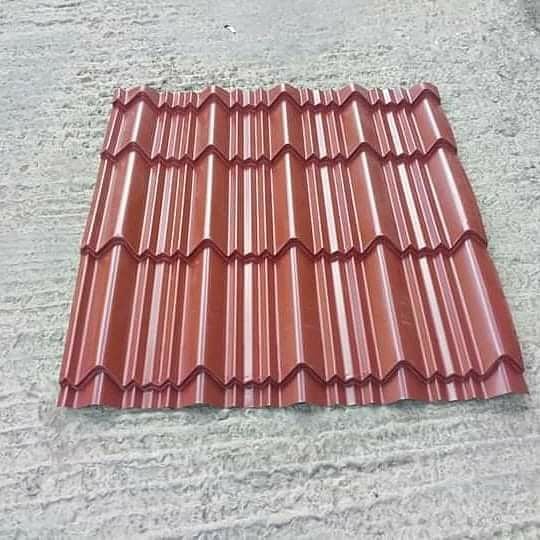
Elegantile (Matte, Gauge 28)

KSh 680.00
Our Elegant Tile  profile with matte texture are crafted for superior durability and exceptional weather resistance, making them the ideal choice for long-lasting roofing solutions across Kenya. To make your project even more convenient, we offer free delivery across Kenya when one orders 40 pieces and above. Trust us for reliable products and dependable service for all your building needs.

Elegantile (Matte, Gauge 30)

KSh 580.00
Our Elegant Tile  profile with matte texture are crafted for superior durability and exceptional weather resistance, making them the ideal choice for long-lasting roofing solutions across Kenya. To make your project even more convenient, we offer free delivery across Kenya when one orders 40 pieces and above. Trust us for reliable products and dependable service for all your building needs.
Versatile (Glossy, Gauge 28)

KSh 670.00
Our versatile iron sheets are crafted for superior durability and exceptional weather resistance, making them the ideal choice for long-lasting roofing solutions across Kenya. To make your project even more convenient, we offer free delivery across Kenya when one orders 40 pieces and above. Trust us for reliable products and dependable service for all your building needs.
Versatile (Glossy, Gauge 30)

KSh 550.00
Our versatile iron sheets are crafted for superior durability and exceptional weather resistance, making them the ideal choice for long-lasting roofing solutions across Kenya. To make your project even more convenient, we offer free delivery across Kenya when one orders 40 pieces and above. Trust us for reliable products and dependable service for all your building needs.

Versatile (Matte, Gauge 28)

KSh 680.00
Our versatile iron sheets are crafted for superior durability and exceptional weather resistance, making them the ideal choice for long-lasting roofing solutions across Kenya. To make your project even more convenient, we offer free delivery across Kenya when one orders 40 pieces and above. Trust us for reliable products and dependable service for all your building needs.

5. Indo-Zambia Bank Building - Symbol of Bilateral Cooperation

The Indo-Zambia Bank Building stands 17 floors tall on Cairo Road, representing one of the most successful examples of Indo-Zambian economic cooperation. Founded on October 19, 1984, by the Government of Zambia and three state-owned Indian banks – Bank of Baroda, Bank of India, and Central Bank of India, this institution embodies strategic partnership between two developing nations.

The building serves as corporate headquarters for Indo-Zambia Bank Limited (IZB), which has grown into a significant player in Zambian banking. The structure houses extensive banking halls, administrative offices, and secure facilities necessary for comprehensive financial operations.

Architectural and Commercial Significance

What makes the Indo-Zambia Bank Building unique extends beyond its height. It represents South-South cooperation – collaboration between developing nations without Western intermediaries. This partnership model became increasingly important during the 1980s as African countries sought economic independence.

The building’s Cairo Road location places it among Lusaka’s most prestigious commercial addresses. This positioning reinforces IZB’s market presence and accessibility to both corporate and retail clients. The bank has expanded to multiple branches across Zambia while maintaining this prominent headquarters.

Related Question: How successful has Indo-Zambia Bank been? As of December 2023, Indo-Zambia Bank controlled total assets of ZMW 17.78 billion (approximately $691 million), with shareholders’ equity of ZMW 2.28 billion ($88.64 million). The institution plays crucial roles in trade finance, corporate banking, and retail services throughout Zambia.

Similar to how foundation types must suit different Kenyan soils, Zambian buildings require geotechnical considerations for Lusaka’s specific soil conditions.

6: ZANCO House - Commercial Hub on Cairo Road

ZANCO House is a 13-storey tower rising 51 meters above the intersection of Cairo Road and Chainda Place, housing many commercial offices. While initial listings suggested 16 floors, verified sources confirm 13 floors with a height of 51 meters. This building represents typical commercial office development from Zambia’s construction boom period.

The structure accommodates diverse commercial tenants, providing flexible office space for businesses requiring central business district presence. ZANCO House exemplifies the multi-tenant office buildings that became standard during Lusaka’s rapid urbanization.

Commercial Real Estate Dynamics

ZANCO House’s success stems from its strategic positioning. Cairo Road remains Lusaka’s primary commercial artery, and buildings along this corridor command premium rental rates. The intersection location maximizes visibility and accessibility – crucial factors for businesses attracting walk-in clients.

The building houses the Consulate of South Korea, demonstrating its appeal to diplomatic missions seeking professional office environments. Diplomatic tenants add prestige while providing stable, long-term leases that support building value.

Related Question: Why do diplomatic missions choose commercial buildings? Many consulates prefer commercial office buildings over standalone facilities due to security infrastructure, maintenance services, and professional environments. ZANCO House offers these advantages while maintaining Cairo Road’s central location.

Understanding concrete grade contractors rates helps contextualize construction costs for similar structures across the region.

7: Zambia Parliament Building - Democracy's Physical Home

The Zambia Parliament Building is designed on four main levels – the lower ground level with main service rooms and under-cover parking, the podium level with main public entrance foyer and main private Members rooms, the first floor level with main administrative rooms and the Chamber designed to seat 120 Members, and the gallery level. While exact floor count specifications vary, the building’s 15-floor designation likely includes technical and service levels.

A site was chosen on the crown of a low hill in Lusaka which dominates the surrounding landscape and which was at one time the site of the dwelling place of village Headman Lusaka, after whom the City of Lusaka is now named. This symbolic location connects modern governance to pre-colonial heritage.

Architectural Expression of Democratic Values

The Parliament Building’s design philosophy emphasizes transparency and accessibility. The new National Assembly building was planned so that its external appearance expresses the dignity and power of Government, while internally, it is planned to function as a centre of administration.

The focal point of the building is the Chamber, which is rich in decoration and colour in contrast to the rest of the building. This design approach mirrors parliamentary architecture worldwide – functional exteriors housing ceremonially significant interior spaces.

Public Accessibility and Democratic Engagement

In an effort to bring Parliament closer to the people, the Speaker has relaxed requirements for members of the public to visit Parliament. It is not necessary for individuals who wish to observe proceedings to seek advance permission in writing. All that is required is for visitors to come with some form of identification and after passing through security screens, they are issued with visitors’ passes for one day.

This accessibility reflects democratic principles of government transparency. The building’s design accommodates public galleries providing clear views of parliamentary proceedings, allowing citizens to witness democracy in action.

Related Question: How does Zambia’s Parliament Building compare to other African parliamentary structures? Zambia’s parliament represents mid-20th century governmental architecture. Newer structures like Zimbabwe’s recently completed parliament building showcase modern design approaches, while Zambia’s building retains historical architectural character from the independence era.

Professionals interested in government construction should review required documentation for contractors starting major projects.

8: Kulima Tower - Modernist Commercial Space

Kulima Tower stands at an estimated 49.74 meters with 13 floors above ground on Katungila Road. The building exemplifies modernist architectural principles with clean lines, functional design, and efficient space utilization. Completed during Lusaka’s development boom, it represents contemporary commercial office standards.

The structure houses multiple commercial tenants including media companies. Metro FM, one of Zambia’s popular radio stations, operates from this building, bringing constant foot traffic and visibility. This mix of corporate offices and media presence creates dynamic commercial energy.

Location and Urban Integration

Kulima Tower’s Katungila Road location positions it slightly away from Cairo Road’s congestion while maintaining CBD accessibility. This positioning appeals to businesses seeking professional environments without premium Cairo Road rents.

The building’s modernist aesthetic differentiates it from brutalist structures like Findeco House. While brutalism dominated 1970s construction, modernism’s cleaner lines gained favor in subsequent decades. Kulima Tower represents this architectural evolution.

Related Question: What defines modernist architecture? Modernist architecture emphasizes function over decoration, features clean geometric forms, employs industrial materials, and integrates indoor-outdoor spaces. Unlike brutalism’s raw concrete, modernism often incorporates glass, steel, and refined finishes creating lighter, more approachable structures.

For construction professionals, understanding steel bars prices in Kenya provides regional cost comparisons for structural materials.

9: ZIMCO House - Commercial Landmark with Diplomatic Presence

ZIMCO House is a 13-storey tower rising 51 meters above the intersection of Cairo Road and Chainda Place. Named after ZIMCO (Zambia Industrial and Mining Corporation), a state-owned conglomerate that once dominated Zambian industry, the building carries historical significance beyond its physical presence.

ZIMCO was created in 1970 to manage state interests in mining and industrial enterprises. While the corporation no longer exists in its original form following privatization reforms, ZIMCO House remains an enduring landmark bearing its name.

Strategic Location and Current Usage

The building’s position at Cairo Road and Chainda Place creates exceptional visibility. This corner location means exposure from multiple directions – valuable for commercial tenants requiring brand visibility.

The building houses many commercial offices and the Consulate of South Korea. The South Korean diplomatic presence adds international dimension to this commercial tower, similar to ZANCO House’s diplomatic tenant.

Related Question: Why did Zambia create ZIMCO? Following independence, Zambia nationalized major industries, particularly copper mining. ZIMCO served as the holding company managing these state enterprises. This reflected the socialist policies many newly independent African nations adopted during the 1970s.

Architectural Characteristics

At 51 meters, ZIMCO House matches Kulima Tower’s height despite both having 13 floors. This consistency suggests similar floor-to-ceiling heights and construction standards. Both buildings likely used comparable structural systems and materials typical of their construction era.

The building represents Zambia’s transition from state-led economic development to market-oriented approaches. While bearing a state corporation’s name, it now functions as standard commercial real estate serving private sector tenants.

Understanding excavation contractors rates helps evaluate foundation work costs for similar high-rise structures.

10: Kaunda House - Presidential Legacy in Architecture

The 10-Floor Tribute to Independence

Kaunda House stands 10 floors tall, named after Dr. Kenneth Kaunda, Zambia’s founding president who led the nation from independence in 1964 until 1991. This building represents more than commercial space – it’s a physical tribute to the man who shaped modern Zambia.

Kenneth Kaunda guided Zambia through its first 27 years of independence, implementing policies that dramatically shaped national development. Buildings bearing his name honor this legacy, keeping his contributions visible in the urban landscape.

Historical Context and National Symbolism

The building’s location and naming reflect Zambian practices of honoring independence leaders through infrastructure. Similar to how roads, schools, and hospitals bear names of liberation figures, prominent buildings serve as permanent monuments to national founders.

Kaunda’s presidency coincided with Zambia’s major construction boom. The copper price surge of the early 1970s funded extensive infrastructure development including most buildings on this list. Naming this structure after him acknowledges his era’s architectural legacy.

Related Question: What is Kenneth Kaunda’s lasting impact on Zambia? Beyond political leadership, Kaunda promoted African unity, opposed apartheid, and developed Zambia’s infrastructure. His philosophy of “Zambian Humanism” emphasized community welfare over individual gain. Though his economic policies faced criticism following copper price collapses, his foundational role remains undisputed.

Commercial Function and Current Status

Kaunda House operates as commercial office space, housing various businesses and organizations. At 10 floors, it represents the lower threshold for “tall buildings” in Zambian context but maintains significance through its namesake and CBD location.

The building demonstrates how structures serve dual purposes – practical commercial function and symbolic national memory. Tenants conduct daily business in spaces bearing historical weight and cultural significance.

Similar to labor rates for construction workers in Kenya, Zambian construction costs vary by region and project type.

Why Zambia's Tallest Buildings Matter

Economic Indicators and Development Patterns

These ten structures collectively tell Zambia’s economic story. The concentration of buildings from the 1970s reflects copper boom prosperity. The long gap before Pyramid Continental Hotel reveals decades of economic stagnation. New construction signals renewed confidence and investment.

GlobalData expects growth in the construction industry in Zambia to record 5% in real terms in 2025 following growth of 6.6% in 2024, evidenced by improvement in construction loans issued which reflect buoyancy in ongoing construction works.

The construction sector serves as economic barometer. When buildings rise, economies grow. When construction stalls, broader challenges exist. Zambia’s current construction revival, after years of limited activity, indicates improving economic conditions.

Regional Architectural Comparisons

Compared to Nigeria’s tallest buildings or Egypt’s towering structures, Zambia’s vertical architecture remains modest. This reflects population size, economic scale, and development trajectory differences.

However, Zambia’s buildings compare favorably with Rwanda’s tallest structures and Senegal’s high-rises. These nations share similar development challenges and opportunities, with building heights reflecting comparable economic positions.

Future Construction Trends

Over the remainder of the forecast period, the construction industry is expected to expand at an annual average of 3.7% during 2026-29, supported by investments for development of transport, renewable energy, mining, manufacturing, and residential construction projects.

Zambia’s copper sector revival drives construction optimism. Mining requires extensive infrastructure – processing facilities, housing, roads, and utilities. This demand cascades through the construction industry, creating opportunities for vertical development in mining centers and Lusaka.

Related Question: Will Zambia see more skyscrapers? Future tall building construction depends on sustained economic growth, political stability, and continued foreign investment. If copper prices remain favorable and diversification succeeds, Lusaka could see additional high-rise development. However, regional cities might experience more growth than the capital.

Understanding prices of concrete blocks in Kenya provides regional context for construction material costs.

Urban Development and Infrastructure Challenges

Vertical construction requires supporting infrastructure. Reliable electricity, water supply, waste management, and transportation systems must support concentrated populations. Many African cities, including Lusaka, struggle with these basics, limiting high-rise viability.

Successful tall building development requires comprehensive urban planning. Individual structures don’t exist in isolation – they depend on roads, utilities, services, and regulatory frameworks. Zambia’s future vertical growth necessitates parallel infrastructure investment.

Frequently Asked Questions

Which is currently the tallest building in Zambia?

As of 2025, Findeco House remains Zambia's tallest completed and occupied building at 90 meters with 23 floors. However, the Pyramid Continental Hotel with 27 floors is nearing completion and will claim the title once operational. Findeco House has held this distinction since 1978 - over 45 years.

When will Pyramid Continental Hotel be completed?

The Pyramid Continental Hotel is nearing completion as of 2025. Exact opening dates depend on final interior finishing, regulatory approvals, and operational preparations. Once completed, it will be Zambia's first building to surpass Findeco House's long-standing height record.

Can tourists visit these buildings?

Most buildings on this list are commercial office towers with restricted public access. However, buildings with retail components or hotels (like Society House with Hilton Garden Inn) welcome visitors. The Parliament Building offers public tours and gallery access for observing legislative sessions. Specific buildings require advance arrangements for guided tours.

How does Zambia compare to other African nations in high-rise construction?

Zambia's tallest buildings are modest compared to major African commercial centers. Nigeria, Kenya, South Africa, and Egypt have significantly taller structures. However, Zambia compares favorably with nations of similar size and economic development like Tanzania, Rwanda, and Senegal. The concentration of tall buildings in Lusaka mirrors patterns in other African capitals.

What materials are used in Zambian high-rise construction?

Most Zambian high-rises utilize reinforced concrete frame construction with concrete core walls providing lateral stability. External walls typically combine concrete, masonry, and glass depending on era and design approach. Brutalist buildings like Findeco House feature exposed concrete, while modern structures incorporate more glass and refined finishes. Steel frames are less common due to import costs.

What role did foreign architects play in Zambian construction?

Foreign architects designed many prominent Zambian buildings. Yugoslav architects created Findeco House and other landmarks during Cold War-era cooperation. South African architects renovated Society House. This reflects common patterns where developing nations import architectural expertise for major projects while building local capacity. Contemporary projects increasingly involve Zambian architects.

Why are most tall buildings concentrated on Cairo Road?

Cairo Road serves as Lusaka's historic commercial spine, established during colonial era as the primary business thoroughfare. Infrastructure, utilities, and transportation converged here, making it the logical location for major development. Property values remain highest on Cairo Road, attracting premium developments. This self-reinforcing pattern continues concentrating tall buildings in this corridor.

author-avatar

About Eng. John Okinyo

Eng. Reagan is a seasoned Civil Engineer at kokinyo and Sons General Contractors Limited with over four years of extensive experience in the Kenya's construction industry. He is passionate about knowledge sharing and regularly contributes insights from his professional expertise through technical writing and industry publications

Leave a Reply

Your email address will not be published. Required fields are marked *