Top 10 Tallest Buildings in Zimbabwe: The Marvel Construction Projects in History.

Top 10 Tallest Buildings in Zimbabwe
This comprehensive exploration of Zimbabwe’s tallest buildings reveals a nation’s architectural ambitions through structures like the unrealized 33-story ABC Building, the Reserve Bank Tower standing at 120 meters as the country’s tallest completed building since 1997, Bulawayo’s NRZ Headquarters representing railway heritage, and Joina City’s transformation into an iconic commercial landmark after 12 years of challenging construction. These buildings reflect Zimbabwe’s post-independence optimism, economic resilience, and enduring capacity for significant architectural achievement despite facing substantial financial and technical constraints.
Top 10 tallest buildings in Zimbabwe represent more than just concrete and steel reaching toward the heavens. They tell stories of ambition, economic resilience, and architectural innovation in a nation with deep roots in stone masonry dating back to the legendary Great Zimbabwe ruins.
Zimbabwe's vertical landscape has evolved dramatically from the 11th-century dry-stone walls of Great Zimbabwe to the modernist towers that now punctuate the skylines of Harare and Bulawayo. The country currently has 4 skyscrapers exceeding 100 meters and approximately 30 high-rise buildings surpassing 35 meters in height. These structures emerged primarily during the post-independence boom of the 1980s and 1990s, reflecting Zimbabwe's aspirations as a newly independent African nation.
Unlike the continuous high-rise development seen in rapidly growing African cities, Zimbabwe's tallest buildings tell a more measured story. Economic challenges since the early 2000s have slowed new construction. Yet the existing structures remain powerful symbols of the nation's capacity for ambitious architectural projects.
What Defines a Tall Building in Zimbabwean Context?
Before exploring Zimbabwe’s vertical achievements, we need clarity on what qualifies as a tall building in this Southern African nation.
In Zimbabwe’s construction sector, tall buildings follow international standards. Structures must exceed 70 meters (230 feet) in architectural height to rank among the nation’s tallest. This measurement includes spires and architectural details but excludes antenna masts. Only habitable floors above ground count toward the official designation.
The Council on Tall Buildings and Urban Height Infrastructure defines high-rises differently based on regional contexts. For Zimbabwe, any building with 18 floors or more typically qualifies as a skyscraper. The foundation types suitable for different Kenyan soils apply similar engineering principles across the East African region, demonstrating how geological considerations shape tall building construction throughout Africa.
Zimbabwe’s classification system emerged from practical construction realities. Most buildings in Harare and Bulawayo’s central business districts range between 5-15 stories. Structures pushing beyond 20 floors represent exceptional engineering achievements given the economic and technical constraints faced by the construction industry.
Geographic Distribution of Height
Harare dominates Zimbabwe’s vertical construction. The capital city hosts approximately 85% of buildings exceeding 70 meters. This concentration reflects Harare’s role as Zimbabwe’s economic, political, and administrative center.
Bulawayo, the nation’s second-largest city and former industrial powerhouse, claims the remaining significant tall structures. The city’s more modest skyline mirrors its economic trajectory since the decline of its once-thriving manufacturing sector.
Smaller cities like Zvishavane, Gweru, and Mutare feature primarily low to mid-rise buildings. The absence of tall structures in these urban centers reflects both limited economic demand and constrained financial resources for major vertical construction projects.
1: ABC Building - Zimbabwe's Tallest Dream

Standing at 141.1 meters (463 feet) across 33 floors, the ABC Building in Zvishavane represents Zimbabwe’s most ambitious architectural dream that never materialized. Had it been constructed, this structure would tower 21 meters above the Reserve Bank Tower, making it not just Zimbabwe’s tallest building but a significant landmark for Southern Africa.
The 1976 Blueprint
John Graham Architects designed the ABC Building in 1976 during the final years of Rhodesia, before Zimbabwe gained independence in 1980. The timing proved fateful. Political upheaval, economic sanctions, and the transition to independence created an environment where such ambitious projects became impossible to finance or execute.
The design reflected the architectural confidence of that era. The 33-story tower would have incorporated modernist elements popular in 1970s commercial architecture. Plans called for reinforced concrete construction with a steel structural frame, standard for buildings of this height.
What made the ABC Building’s proposed location in Zvishavane unusual was the town’s relatively small size. Zvishavane, a mining town approximately 97 kilometers south of Gweru, had neither the population nor economic base typically associated with skyscraper construction. This suggests the building intended to serve specialized commercial or mining-related functions tied to the town’s asbestos and chrome mining operations.
Why the ABC Building Never Rose
Several factors prevented the ABC Building from ever breaking ground:
Economic constraints topped the list. The estimated construction costs in 1976 would have been astronomical for a town of Zvishavane’s size. Without government backing or major corporate sponsorship, financing such a venture proved impossible.
Political transition created uncertainty. The Rhodesian Bush War intensified during the late 1970s, making major capital investments risky. After independence in 1980, the new Zimbabwe government had different priorities for infrastructure spending.
Technical challenges also played a role. Zvishavane’s infrastructure couldn’t support a 33-story building without massive upgrades. Water supply, sewerage systems, electrical capacity, and road networks would all have required reinforcement. The tests required for high-rise building construction demonstrate the extensive preparatory work needed before breaking ground on tall structures.
Demand questions lingered. Who would occupy 33 floors of commercial space in a small mining town? Without committed tenants or a clear business case, the project remained a paper dream.
Architectural Significance
Despite never being built, the ABC Building holds importance in Zimbabwe’s architectural history. It represents the ambition and optimism of its era. The design pushed boundaries, proposing to place Zimbabwe’s tallest structure outside the capital, challenging conventional wisdom about where skyscrapers belong.
The ABC Building reminds us that unrealized projects shape architectural discourse as much as completed ones. Every major city has phantom towers that existed only in drawings and models. These “ghost buildings” reveal the aspirations, economic realities, and practical constraints of their time.
For Zimbabwe, the ABC Building stands as a “what if” moment. What if economic stability had continued? What if different development priorities had emerged? The phantom tower on the Zvishavane skyline symbolizes potential unfulfilled but not forgotten.
2: Reserve Bank Tower: The Financial Colossus of Harare
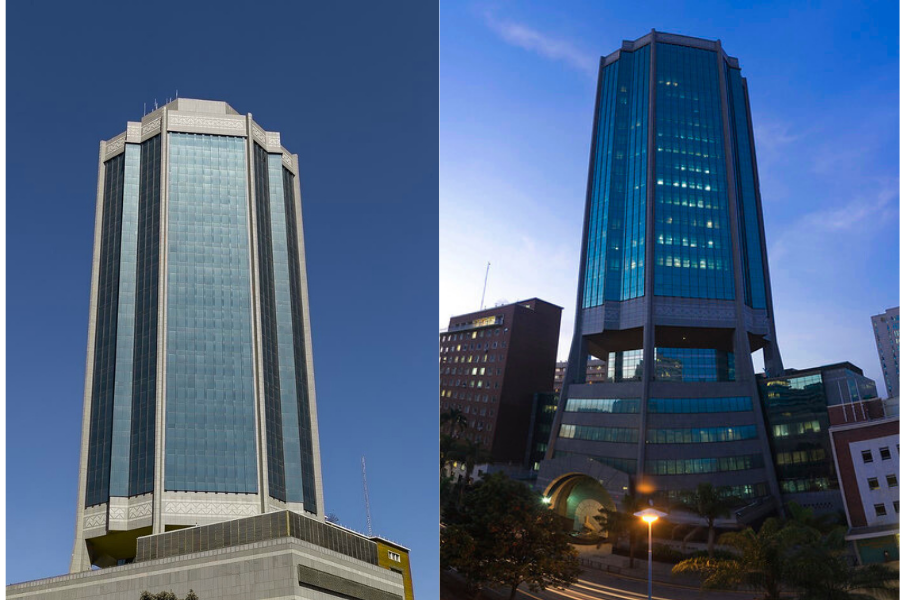
Soaring 120 meters (394 feet) across 28 stories, the New Reserve Bank Tower claims the title of Zimbabwe’s tallest completed building. Since its completion in 1997, this structure has served as the headquarters of the Reserve Bank of Zimbabwe and stands as the most technologically advanced building in the country’s post-modern era.
Architectural Achievement
The Reserve Bank Tower’s construction between 1995-1997 marked a significant moment in Zimbabwe’s architectural evolution. President Robert Mugabe officially opened the building on May 31, 1996, declaring it “the most expensive building ever constructed in Harare city.” The project’s budget reflected its ambitions to create not just an office tower but a symbol of the nation’s financial sovereignty.
Post-modern design elements distinguish the RBZ Tower from earlier modernist structures. The architects incorporated features inspired by pre-colonial Zimbabwean architecture, particularly the conical structures of Great Zimbabwe. This deliberate connection to heritage aimed to create a distinctly Zimbabwean aesthetic rather than simply copying Western skyscraper designs.
The building’s exterior combines glass, steel, and stone in proportions that balance contemporary functionality with cultural symbolism. Large windows maximize natural light while providing commanding views of Harare’s cityscape. The ground floor features a spacious lobby with high ceilings, creating an impressive entry befitting a central bank headquarters.
Engineering Excellence
Constructing a 28-story tower required sophisticated engineering solutions. The foundation system extends deep into Harare’s geological substrate, designed to support the building’s massive weight while maintaining stability during seismic events, though Zimbabwe experiences relatively low earthquake risk compared to other regions.
Reinforced concrete frame construction forms the building’s skeleton. Steel reinforcement bars provide tensile strength while the concrete handles compression forces. This combination creates a structure capable of withstanding the stresses placed on tall buildings by wind, temperature variations, and the cumulative weight of 28 floors.
The National Construction Authority regulations demonstrate similar oversight frameworks needed for major construction projects across East and Southern Africa. Zimbabwe’s own building codes required extensive testing and certification before allowing occupancy of such a tall structure.
Functional Design
The Reserve Bank Tower houses multiple functions beyond central banking operations. The building accommodates:
- Reserve Bank administrative offices occupying the majority of floors
- Banking halls and customer service centers on lower levels
- Conference facilities for policy meetings
- Secure vault spaces for currency reserves
- State-of-the-art data centers managing Zimbabwe’s financial systems
- Emergency backup systems ensuring operational continuity
Advanced technology sets the RBZ Tower apart. When completed, it featured Zimbabwe’s most sophisticated building management systems, including centralized climate control, advanced fire suppression, backup power generation, and comprehensive security systems.
The building’s design prioritized security given its role housing Zimbabwe’s central bank. Multiple layers of access control, surveillance systems, and physical barriers protect sensitive areas. The structure can operate independently during power outages, crucial given Zimbabwe’s electrical supply challenges.
Economic Impact
The Reserve Bank Tower’s construction provided employment for hundreds of workers and stimulated Zimbabwe’s construction sector during the 1990s. Local contractors, engineers, and craftsmen gained experience with complex high-rise construction techniques. Specialized materials and equipment imports connected Zimbabwe’s construction industry to international supply chains.
The building’s presence transformed its section of Harare’s central business district. Surrounding property values increased. The tower became a landmark for navigation and a symbol of the capital’s business district. Its visibility from multiple vantage points across Harare made it an icon of the city’s skyline.
Challenges and Maintenance
Maintaining Zimbabwe’s tallest building presents ongoing challenges. Economic difficulties since the early 2000s have strained maintenance budgets. The sophisticated building systems require regular servicing and occasional component replacement. International sanctions and foreign currency shortages have complicated importing necessary spare parts and specialized equipment.
Despite these challenges, the Reserve Bank Tower continues functioning as intended. Regular inspections ensure structural integrity. Building management has adapted maintenance practices to work within resource constraints while preserving the structure’s operational capabilities and physical condition.
The tower stands as testament to what Zimbabwe’s construction sector could achieve during periods of economic stability and clear vision. Its continued prominence validates the investment in quality design and construction that ensures longevity even through difficult economic periods.
3: NRZ Headquarters: Bulawayo's Railway Heritage Tower
The National Railways of Zimbabwe Headquarters stands at 110 meters (approximately 328 feet) across 23 floors, making it Zimbabwe’s third-tallest building and Bulawayo’s undisputed vertical champion. Completed in 1985, this structure represents both the post-independence optimism of the early 1980s and Bulawayo’s enduring identity as Zimbabwe’s railway capital.
Historical Context
Bulawayo’s development has always been intertwined with railways. The first train arrived in the city on November 4, 1897, transforming it from a small settlement into a major transportation hub. As Rhodesia Railways expanded its network across Southern Africa, Bulawayo became the operational heart of the system.
The decision to construct a 23-story headquarters reflected the railway system’s importance to Zimbabwe’s economy in the early 1980s. Railways transported goods across the country and connected Zimbabwe to neighboring nations’ ports. The massive tower symbolized the railway’s central role in national development.
The Railway Industries Pension Fund financed and owns the building, demonstrating how pension funds can drive major infrastructure development. This financing model allowed the project to proceed without direct government funding while providing the pension fund with a valuable real estate asset.
Architectural Design
The NRZ Headquarters exemplifies 1980s commercial architecture. The design prioritizes function over ornamentation, with clean lines and a rectangular footprint that maximizes usable floor space. Large windows on all sides provide natural lighting and ventilation, important in Bulawayo’s hot climate.
The building’s exterior uses locally sourced materials where possible, including portland cement types available in the regional market combined with steel reinforcement. This approach reduced construction costs while supporting local material suppliers.
A central core contains elevators, staircases, and utility shafts. This design places circulation systems at the building’s center, allowing unobstructed floor plates for office layouts around the perimeter. The structural efficiency enabled the building to reach 23 stories within budget constraints.
From Railway Hub to Mixed-Use Complex
The NRZ Headquarters’ story reflects Zimbabwe’s economic transformation. While National Railways of Zimbabwe still maintains administrative offices in the building, declining railway operations since the 1990s reduced the space needed for railway management.
The building evolved into a mixed-use complex housing diverse businesses:
- Ground floor retail spaces selling electronics, phone accessories, and gadgets
- Hair salons and beauty services
- Banking facilities
- Food outlets including the popular Sis Bee Kitchen serving traditional African dishes
- Stationery shops
- Lupane State University offices
- Airline booking agencies
- Gym facilities
- Clothing boutiques
This diversification transformed the NRZ Headquarters from a single-purpose office tower into Bulawayo’s vertical marketplace. The building attracts daily foot traffic from shoppers and visitors seeking services concentrated under one roof.
Current Condition and Maintenance
Visitor reviews reveal both the building’s enduring appeal and maintenance challenges. The structure remains Bulawayo’s tallest and most recognizable building. Its central location in the CBD makes it a natural gathering point and business hub.
However, observers note that maintenance has declined from original standards. Aging building systems need regular investment to remain functional. Limited lighting in some areas creates a less welcoming atmosphere than during the building’s early years. The interior shows signs of wear despite ongoing use.
These challenges mirror broader difficulties facing Zimbabwe’s infrastructure. Maintaining sophisticated building systems requires consistent investment, specialized expertise, and access to replacement parts—all constrained by Zimbabwe’s economic situation since the early 2000s.
Cultural Significance
The NRZ Headquarters symbolizes Bulawayo’s industrial heritage. The city built its identity around manufacturing and transportation. As these sectors declined, Bulawayo struggled economically. The tower stands as a reminder of the city’s former prominence and continued resilience.
For many Bulawayo residents, the NRZ Headquarters represents community pride. It’s their skyscraper—a structure that puts Bulawayo on the map of African cities with significant tall buildings. The building features in countless photographs of the city and serves as a orientation point when giving directions.
The structure’s transformation into a mixed-use complex also reflects entrepreneurial adaptation. Rather than allowing the building to decline with the railways, creative repurposing created new economic opportunities. Small businesses found affordable spaces. Customers gained convenient access to diverse services.
4: Joina City: Zimbabwe's Modern Commercial Crown Jewel
Rising 105 meters (344 feet) across 20 floors, Joina City stands as Zimbabwe’s third-tallest building and arguably its most culturally significant modern structure. Located at the intersection of Jason Moyo and Julius Nyerere streets in Harare’s Central Business District, this mixed-use complex combines retail, office, and entertainment functions in Zimbabwe’s largest indoor shopping mall.
The Vision of Shingai Mutasa
Shingai Mutasa, a prominent Zimbabwean businessman and co-founder of Venture Finance, conceived Joina City following extensive conversations with the late renowned architect Vernon Mwamuka. Mutasa envisioned creating Harare’s premier destination for shopping, business, and entertainment—a space that would elevate the city’s commercial offerings to international standards.
The project represented more than commercial ambition. Mutasa saw an opportunity to create a landmark that would inspire confidence in Zimbabwe’s economic future and demonstrate local capacity for world-class development. His vision drove the project through a 12-year construction period marked by significant challenges.
Construction Timeline and Challenges
Construction began in 1998 with an initial budget of US$27 million. However, the project immediately encountered obstacles that would extend the timeline dramatically:
Financial constraints topped the list. Zimbabwe’s economy began deteriorating in the late 1990s. The local currency entered a period of rapid devaluation against major world currencies. Building material costs escalated continuously, particularly for imported components. By 2005, estimated costs had ballooned to $500 billion Zimbabwean dollars (in the hyperinflationary currency of that period).
Work stoppages occurred multiple times. In 2000, construction halted entirely due to financial problems. Work resumed in 2002 with new funding arrangements. The company initially projected completion by December 2004, but delays continued piling up.
International investment proved crucial. In 2005, Saudi Prince Alwaleed Bin Talal Alsaud, one of the world’s wealthiest individuals at the time, visited the construction site. His financial backing, believed to include US$1 million, brightened prospects for completion. Other foreign businesspeople and local institutional investors including pension funds also contributed capital.
The iconic construction crane that became a fixture of Harare’s skyline stood in place for eight years. Its removal in December 2007 signaled the approaching completion. Joina City finally opened its doors on March 10, 2010—twelve years after breaking ground.
Architectural and Engineering Features
Joina City’s design created Zimbabwe’s largest indoor shopping mall spanning four expansive levels: Lower Ground, Upper Ground, First Floor, and Second Floor. The complex totals approximately 64,000 square meters of gross building area.
The structure incorporates:
17,000 square meters of retail space across four mall levels housing over 60-100 diverse enterprises (accounts vary). The retail component provides Harare’s most extensive indoor shopping experience. Climate-controlled environments—rare in Zimbabwe—offer comfortable year-round shopping.
12,000 square meters of office space occupying the upper floors. These offices attracted progressive companies seeking modern, efficient workspace with commanding views of Harare. The building marketed itself as the capital’s second-tallest structure with “unparalleled and spectacular views of the city which never sleeps.”
600 secure underground parking bays solve one of Harare CBD’s greatest challenges: parking availability. The three basement parking levels use Zimbabwe’s largest lift and escalator installation, facilitating easy movement between parking and retail/office areas.
24-hour CCTV surveillance and manned security create what management calls “the most safe and secure shopping and business environment in Harare.” This security emphasis addresses concerns about urban safety that affect shopping patterns.
Four external access points improve pedestrian flow and integrate the building with surrounding streets. This design consideration keeps foot traffic moving efficiently even during peak periods.
The structural engineering required for a 20-story building with extensive underground excavation demanded sophisticated solutions. Foundation work needed to support not only the tower’s weight but also resist lateral forces from the below-ground parking levels. The difference between load bearing and framed structures illustrates fundamental engineering concepts applied in major projects like Joina City.
Cultural Impact and Recognition
Joina City transcended its commercial functions to become a cultural landmark. Zimdancehall artist Freeman (Emegy Sylvester Chizanga) immortalized the building in his hit song “Joina City,” singing about the grandeur of Mutasa’s creation. The song introduced the building into popular culture, particularly among younger Zimbabweans.
The structure symbolizes hope and progress. Its completion in 2010—after 12 years of construction through Zimbabwe’s most economically challenging period—demonstrated resilience and determination. The building proved that major projects could still be completed despite overwhelming obstacles.
Officially opened in 2010, Joina City became “an iconic beacon in Harare’s skyline.” It transformed expectations for retail and commercial space quality in Zimbabwe. Shoppers who previously traveled to South Africa for modern mall experiences now had a comparable option in Harare’s heart.
Current Operations
Today, Joina City operates seven days a week, attracting diverse crowds especially on weekends. The mall targets middle to upper-income consumers with its mix of boutiques, technology stores, banking services, restaurants, a state-of-the-art gym, children’s stores, and a reputable supermarket.
New World Property Managers, formed in 2007 specifically to manage Joina City, handles operations. The company has since expanded its portfolio to manage other properties including Zimnat House in both Harare and Gweru.
New World Security Services, established in 2006, provides comprehensive security through both technology and personnel. Their success at Joina City led to the subsidiary becoming a standalone company offering security services to other clients.
The building seeks innovative tenants for 24-hour operations, recognizing that maximizing utilization of premium commercial space requires thinking beyond traditional business hours. This forward-thinking approach reflects Mutasa’s original vision of creating a dynamic, continuously active commercial environment.
Challenges and Adaptations
Like all tall buildings in Zimbabwe, Joina City faces maintenance challenges stemming from economic constraints. Keeping sophisticated building systems operational requires ongoing investment in repairs, component replacement, and system upgrades. Foreign currency shortages can delay obtaining necessary imported parts.
Tenant occupancy fluctuates with Zimbabwe’s economic cycles. During difficult periods, businesses struggle with rents despite the building’s premium offerings. Property management has adapted by working with tenants on flexible arrangements that keep spaces occupied while acknowledging economic realities.
The parking system, while extensive, sometimes faces complaints about efficiency and ease of use. Some visitors report navigation difficulties within the underground levels. These operational issues require continuous refinement based on user feedback.
Despite challenges, Joina City endures as Zimbabwe’s premier indoor shopping and office destination. Its existence proves that quality commercial real estate development remains viable in Zimbabwe when backed by committed vision, adequate financing, and professional management. The building stands as Shingai Mutasa’s lasting contribution to Harare’s built environment and Zimbabwe’s commercial infrastructure.
Order Construction Materials From Us Today

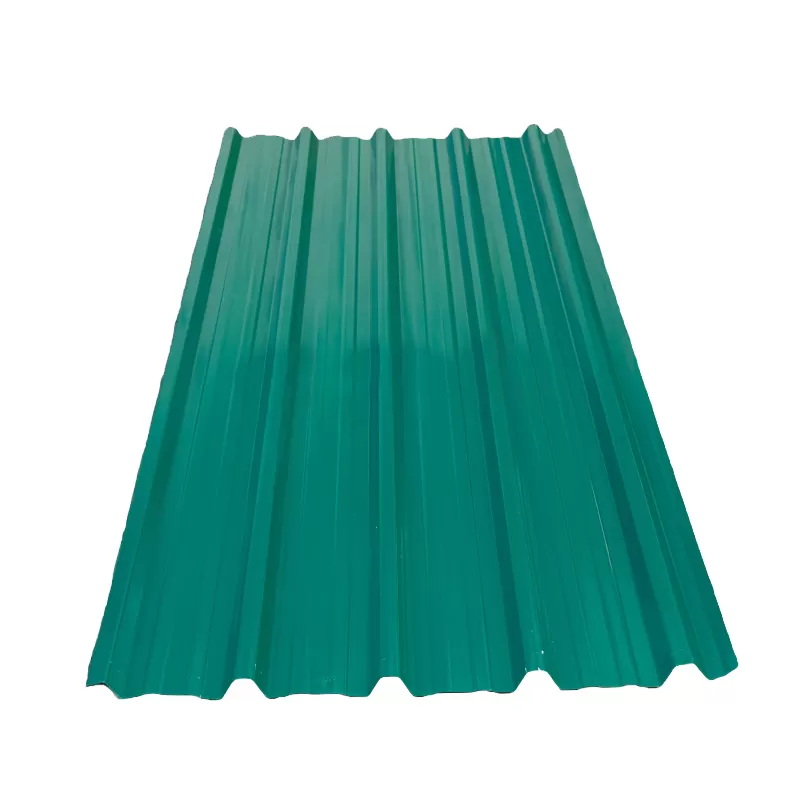
Box Profile (Glossy, Gauge 28)
KSh 650.00
Our Box Profile iron sheets are crafted for superior durability and exceptional weather resistance, making them the ideal choice for long-lasting roofing solutions across Kenya. To make your project even more convenient, we offer free delivery across Kenya when one orders 40 pieces and above. Trust us for reliable products and dependable service for all your building needs.
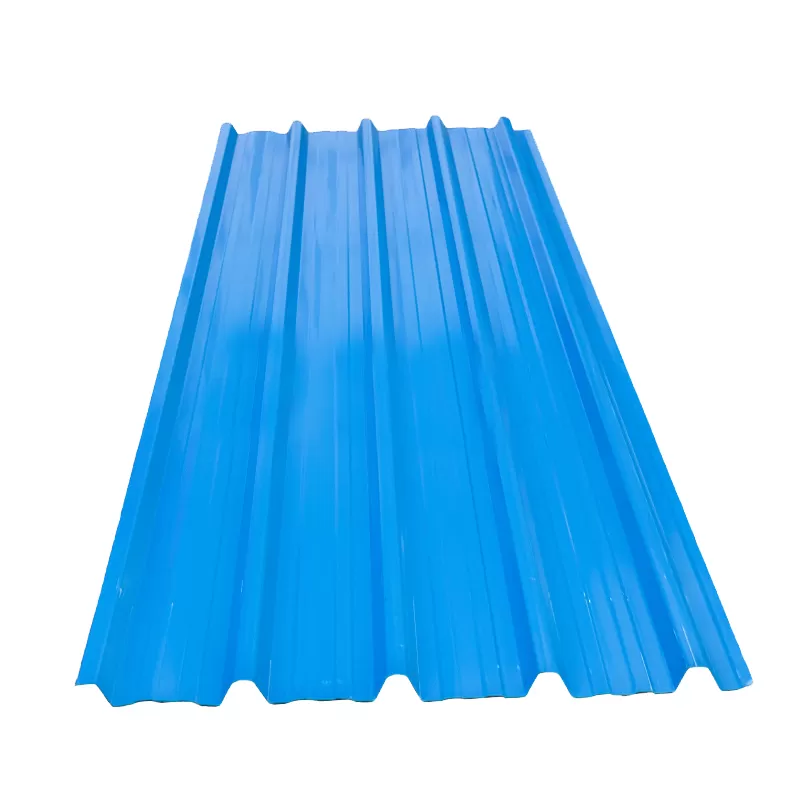
Box Profile (Glossy)
KSh 470.00
Our Box Profile iron sheets are crafted for superior durability and exceptional weather resistance, making them the ideal choice for long-lasting roofing solutions across Kenya. To make your project even more convenient, we offer free delivery across Kenya when one orders 40 pieces and above. Trust us for reliable products and dependable service for all your building needs.
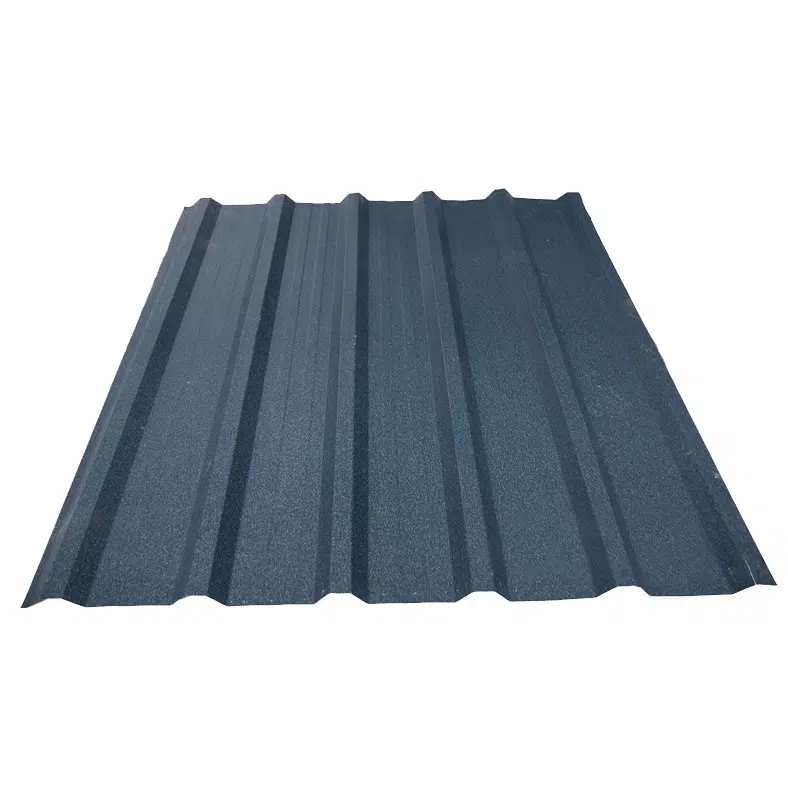
Box Profile (Matte, Gauge 28)
KSh 680.00
Our Box Profile iron sheets are crafted for superior durability and exceptional weather resistance, making them the ideal choice for long-lasting roofing solutions across Kenya. To make your project even more convenient, we offer free delivery across Kenya when one orders 40 pieces and above. Trust us for reliable products and dependable service for all your building needs.
Box Profile (Matte)
KSh 530.00
Our Box Profile iron sheets are crafted for superior durability and exceptional weather resistance, making them the ideal choice for long-lasting roofing solutions across Kenya. To make your project even more convenient, we offer free delivery across Kenya when one orders 40 pieces and above. Trust us for reliable products and dependable service for all your building needs.


Corrugated Iron Sheet (Gauge 30)
KSh 470.00
Our corrugated iron sheets are crafted for superior durability and exceptional weather resistance, making them the ideal choice for long-lasting roofing solutions across Kenya. To make your project even more convenient, we offer free delivery across Kenya when one orders 40 pieces and above. Each high-quality sheet provides excellent value for money, ensuring your structure is protected for years to come. Trust us for reliable products and dependable service for all your building needs.


Elegantile (Glossy, Gauge 28)
KSh 670.00
Our Elegant Tile profile are crafted for superior durability and exceptional weather resistance, making them the ideal choice for long-lasting roofing solutions across Kenya. To make your project even more convenient, we offer free delivery across Kenya when one orders 40 pieces and above. Trust us for reliable products and dependable service for all your building needs.
Elegantile (Glossy, Gauge 30)
KSh 550.00
Our Elegant Tile profile are crafted for superior durability and exceptional weather resistance, making them the ideal choice for long-lasting roofing solutions across Kenya. To make your project even more convenient, we offer free delivery across Kenya when one orders 40 pieces and above. Trust us for reliable products and dependable service for all your building needs.


Elegantile (Matte, Gauge 28)
KSh 680.00
Our Elegant Tile profile with matte texture are crafted for superior durability and exceptional weather resistance, making them the ideal choice for long-lasting roofing solutions across Kenya. To make your project even more convenient, we offer free delivery across Kenya when one orders 40 pieces and above. Trust us for reliable products and dependable service for all your building needs.
Elegantile (Matte, Gauge 30)
KSh 580.00
Our Elegant Tile profile with matte texture are crafted for superior durability and exceptional weather resistance, making them the ideal choice for long-lasting roofing solutions across Kenya. To make your project even more convenient, we offer free delivery across Kenya when one orders 40 pieces and above. Trust us for reliable products and dependable service for all your building needs.
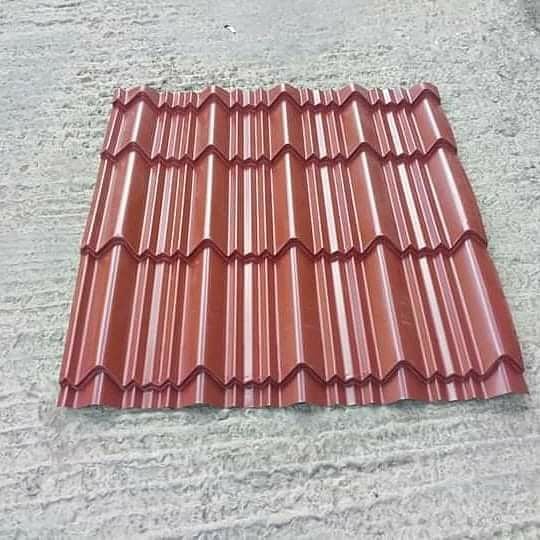
Versatile (Glossy, Gauge 28)
KSh 670.00
Our versatile iron sheets are crafted for superior durability and exceptional weather resistance, making them the ideal choice for long-lasting roofing solutions across Kenya. To make your project even more convenient, we offer free delivery across Kenya when one orders 40 pieces and above. Trust us for reliable products and dependable service for all your building needs.
Versatile (Glossy, Gauge 30)
KSh 550.00
Our versatile iron sheets are crafted for superior durability and exceptional weather resistance, making them the ideal choice for long-lasting roofing solutions across Kenya. To make your project even more convenient, we offer free delivery across Kenya when one orders 40 pieces and above. Trust us for reliable products and dependable service for all your building needs.

Versatile (Matte, Gauge 28)
KSh 680.00
Our versatile iron sheets are crafted for superior durability and exceptional weather resistance, making them the ideal choice for long-lasting roofing solutions across Kenya. To make your project even more convenient, we offer free delivery across Kenya when one orders 40 pieces and above. Trust us for reliable products and dependable service for all your building needs.
5. Karigamombe Centre: The Symbol of Strength and Determination
Standing at 92 meters (approximately 75 meters by some accounts) across 20 floors, Karigamombe Centre ranks as Zimbabwe’s fifth-tallest building. This imposing high-rise completed in 1985 sits at 53 Samora Machel Avenue in Harare’s bustling Central Business District.
The Name’s Meaning
“Karigamombe” embodies strength and determination in Shona culture. The name wasn’t chosen randomly. It reflects the robust architectural design and imposing presence this building commands in Harare’s skyline. The cultural significance embedded in the name connects modern construction with Zimbabwe’s heritage.
Architectural Design by Mike Clinton
Mike Clinton, the same architect who designed the Reserve Bank Tower, created Karigamombe Centre’s blueprints. Clinton attended Prince Edward School from 1944 to 1949 before pursuing university education in South Africa until 1954. His architectural vision shaped multiple iconic Zimbabwean structures throughout his career.
The building features clean modernist lines typical of 1980s commercial architecture. Twenty floors rise from a ground-level shopping mall and first-floor parking deck. This mixed-use approach maximized land utilization in Harare’s expensive CBD real estate market.
Clinton & Evans Architects served as the design firm. Their work prioritized functionality while maintaining aesthetic appeal. Large windows provide natural lighting across office floors. The structural system uses reinforced concrete with steel elements, standard for buildings of this height during that construction period.
Ownership and Investment
The National Railways of Zimbabwe (NRZ) Pension Fund owns Karigamombe Centre. This ownership model demonstrates how pension funds invested in commercial real estate to generate returns for railway workers’ retirement security. The NRZ Pension Fund built a substantial property portfolio including Trust Towers, Beverly Court in Harare, Holiday Inn Bulawayo, and Victoria Falls Hotel.
For the pension fund, Karigamombe Centre represented both a long-term investment and a hedge against inflation. Commercial real estate in prime CBD locations typically appreciates over time while generating rental income. The 1985 completion positioned the fund to benefit from Zimbabwe’s post-independence economic growth.
Current Operations and Challenges
Visitor experiences reveal a building with both enduring appeal and maintenance challenges. Some praise the clean, quiet business environment and secure office spaces. The building offers top-notch amenities including hair salons and secure parking facilities. Its central location attracts businesses seeking visibility and accessibility.
However, operational challenges have emerged over four decades of use. Multiple reviews mention limited working elevators causing slow vertical mobility within the building. Some upper floors reportedly lack consistent running water. The glamour that characterized the building’s early years has faded somewhat, though recent efforts have upgraded hygiene standards and tightened security measures.
The unit weight of materials in construction demonstrates technical considerations that affect building maintenance and structural integrity over time—factors Karigamombe Centre management must continuously address.
Parking remains challenging despite dedicated spaces. Street vendors crowd surrounding areas, creating congestion and raising concerns about pickpockets. These urban challenges reflect broader issues facing Harare’s CBD rather than specific building management failures.
Business Hub Status
Despite challenges, Karigamombe Centre continues serving as an important business address. The centralized location provides excellent foot traffic. Businesses benefit from proximity to government offices, banking facilities, and other commercial enterprises. Conference facilities within the building attract corporate events and meetings.
The building embodies Zimbabwe’s 1980s optimism while adapting to contemporary economic realities. Its mixed-use nature—combining retail, office, and service functions—creates synergies that keep the building relevant decades after construction.
6: Livingstone House: Zimbabwe's Historical High-Rise Pioneer
At 80 meters spanning 20 floors, Livingstone House holds unique historical significance. Completed around 1960 (some sources suggest 1969), this structure dominated Salisbury’s (now Harare’s) skyline during the Rhodesian era. For years, it claimed the title of Zimbabwe’s tallest building.
Rhodesian-Era Prominence
Historical photographs taken from Livingstone House’s rooftop provide fascinating glimpses of Salisbury circa 1969. These images, looking east along Jameson Avenue, document the city’s colonial-era architecture and urban planning. The building served as both observation point and status symbol during Rhodesia’s final decade before independence.
The structure represented architectural ambition during a period of relative economic prosperity for white Rhodesia. Twenty stories seemed audacious for a city of Salisbury’s size in the 1960s. The building demonstrated that Salisbury could compete with major African cities in vertical construction.
Architectural Features
Livingstone House follows modernist principles common in 1960s commercial architecture. The rectangular tower prioritizes efficient floor space utilization. Large windows provide natural light and ventilation, important considerations before sophisticated climate control systems became standard.
The building’s location in central Harare has ensured continued relevance. Prime CBD addresses maintain value even as specific tenants change over decades. The structure’s views across Harare Gardens and the city center remain among the best available in the capital.
Legacy and Current Status
While no longer among Zimbabwe’s tallest structures, Livingstone House maintains historical importance. It represents the nation’s first generation of true skyscrapers. The building witnessed Rhodesia’s final years, Zimbabwe’s independence, and decades of post-colonial development.
Current information about specific tenants and building condition remains limited. However, the structure’s continued operation indicates it still serves commercial functions within Harare’s business ecosystem. The building name honors David Livingstone, the Scottish missionary and explorer whose journeys through Southern Africa shaped the region’s colonial history.
For architectural historians, Livingstone House marks a pivotal moment when Salisbury transitioned from a low-rise colonial town to a city with genuine high-rise aspirations. The building paved the way for taller structures that followed in subsequent decades.
7: Millennium Towers: Residential High-Rise in Downtown Harare
Millennium Towers reaches 77 meters across 19 floors, making it Zimbabwe’s seventh-tallest building. Completed around 2000, this structure brought residential living options to Harare’s downtown core during the optimistic period surrounding the millennium.
Residential Focus
Unlike most buildings on this list which prioritize commercial office space, Millennium Towers focuses on residential accommodations. The building addresses housing demand in Harare’s high-density central areas. Urban professionals seeking proximity to workplaces find apartments in Millennium Towers attractive despite downtown living challenges.
Residential towers face different design considerations than office buildings. Apartments require kitchen facilities, bathroom systems, and living spaces rather than open floor plans. Privacy becomes paramount. Noise insulation between units matters more than in commercial structures. Building management must address residential concerns like security, common areas, and tenant relations.
Year 2000 Construction Timing
The building’s completion around 2000 coincided with Zimbabwe’s economic challenges beginning. Hyperinflation, political instability, and international sanctions would soon grip the nation. Millennium Towers represented one of the final major projects completed before construction activity slowed dramatically.
The tower’s name captured millennium optimism—hopes for a fresh start as the calendar turned to 2000. That optimism proved short-lived as Zimbabwe entered its most economically difficult period. Nevertheless, the building stands as testament to construction completed despite emerging challenges.
Downtown Living Challenges
Living in downtown Harare presents unique challenges compared to suburban residential areas. Traffic congestion, limited parking, noise pollution, and urban crime concerns affect quality of life. Millennium Towers residents trade these challenges for convenience, walkability, and proximity to employment centers.
The building must maintain higher security standards than suburban apartments. Access control systems, security personnel, and surveillance become essential for resident safety and peace of mind. Building management’s effectiveness in addressing these concerns significantly impacts tenant satisfaction and occupancy rates.
8: Mukwati Building: The Mid-1970s Commercial Tower
The Mukwati Building stands at 75.6 meters (approximately 76 meters) across 21 floors. Completed around 1975, this structure predates independence and represents Rhodesian-era commercial construction. Located at 4th Street and Livingstone Avenue, the building occupies prime CBD real estate.
Pre-Independence Construction
The 1975 completion placed Mukwati Building’s construction during Rhodesia’s final years before independence in 1980. The Rhodesian Bush War intensified during this period, making major construction projects challenging. Nevertheless, Salisbury’s commercial sector continued developing despite political uncertainty.
Twenty-one floors of office space provided accommodation for businesses, government offices, and professional services. The building reflected confidence in Salisbury’s economic future despite looming political changes. Investors apparently believed commercial real estate would retain value regardless of who governed.
Current Government Usage
Today, Mukwati Building houses various government offices and ministries. The structure serves administrative functions for Zimbabwe’s public sector. Location on Central Avenue places it near other government facilities, creating synergies for inter-ministerial coordination and citizen access to services.
The building’s proximity to Sacred Heart Cathedral (just 150 meters north) and Kaguvi Building creates a cluster of prominent structures. This concentration of tall buildings defines Harare’s governmental and commercial core.
Operational Status
The Mukwati Building operates Monday through Friday, 8:00 AM to 5:00 PM, typical government office hours. This schedule reflects its primary function serving public administration rather than round-the-clock commercial or residential purposes.
Like other Zimbabwean tall buildings constructed decades ago, Mukwati Building faces ongoing maintenance challenges. Keeping mechanical systems, elevators, and infrastructure operational requires consistent investment. Government budget constraints can complicate necessary maintenance, though the building’s continued use indicates management maintains basic functionality.
9: Kaguvi Building: Government Administrative Hub
Standing at 73 meters across 18 floors, the Kaguvi Building serves as an important government administrative center in Harare. The structure sits on Central Avenue in the heart of the Central Business District, positioning it among Zimbabwe’s key government facilities.
Named for Liberation Hero
The building honors Sekuru Kaguvi, one of Zimbabwe’s most important liberation heroes. Kaguvi, alongside Mbuya Nehanda, led spiritual resistance against British colonial rule during the First Chimurenga (1896-1897). Naming government buildings after liberation heroes reinforces Zimbabwe’s post-independence identity and honors those who fought for freedom.
This naming convention extends throughout Zimbabwe’s public infrastructure. Streets, buildings, and institutions bear names of liberation war heroes, African nationalists, and historical figures who challenged colonial domination. Kaguvi Building exemplifies this practice of using architecture to commemorate national heroes.
Government Office Functions
Multiple government ministries and departments occupy Kaguvi Building’s 18 floors. Public agencies conduct administrative work, policy development, and citizen services from offices throughout the structure. The building’s central location makes it accessible to both government employees and citizens seeking services.
Concentrating government offices in CBD high-rises makes administrative sense. Centralization facilitates inter-agency coordination, reduces facility costs compared to multiple separate buildings, and provides convenient public access via existing transportation networks.
Maintenance and Condition
As with many government buildings in Zimbabwe, Kaguvi Building faces maintenance challenges linked to budget constraints. Public sector buildings often receive lower maintenance priority than revenue-generating commercial properties. Nevertheless, the structure’s continued operation indicates basic systems remain functional.
The building’s proximity to other government facilities including Mukwati Building creates an administrative cluster. This concentration allows government workers to move easily between offices for meetings and coordination. Citizens can access multiple government services without traveling across the city.
10: Old Mutual Centre: Insurance Sector Landmark
Old Mutual Centre reaches 72 meters across 18 floors, completing our list of Zimbabwe’s top ten tallest buildings. The structure serves as headquarters and offices for Old Mutual, one of Africa’s largest financial services groups with deep roots in Zimbabwe and South Africa.
Financial Sector Representation
Old Mutual’s presence in Zimbabwe dates back decades. The company provides life insurance, property insurance, banking, and investment services across multiple African markets. Having a prominent headquarters building in Harare’s CBD reinforces the company’s market position and brand visibility.
Financial services companies often occupy or own prominent buildings as both practical business space and marketing statements. A high-rise bearing the company name becomes a three-dimensional advertisement visible across the cityscape. Old Mutual Centre achieves this dual purpose—providing functional office space while promoting brand recognition.
18-Floor Office Configuration
Eighteen floors provide ample space for Old Mutual’s operations and potentially other tenants. Insurance and financial services require significant office capacity for actuaries, underwriters, customer service staff, claims processors, and administrative personnel. The building accommodates these space-intensive functions efficiently.
Modern insurance operations also require substantial technological infrastructure. Data centers, communication systems, and backup facilities must fit within the building envelope. The basic knowledge for every civil site engineer encompasses the technical considerations needed for such installations.
Economic Role
Old Mutual Centre represents the private sector’s contribution to Zimbabwe’s vertical landscape. While many tall buildings house government offices or serve mixed-use purposes, this structure demonstrates corporate investment in Harare real estate. The company’s willingness to maintain prominent headquarters suggests long-term commitment to the Zimbabwean market despite economic challenges.
Insurance and financial services companies stabilize economies by managing risk, facilitating savings, and enabling investment. Old Mutual’s continued presence, symbolized by this building, provides essential financial infrastructure Zimbabweans depend on for protecting assets and planning futures.
Comparative Analysis: Zimbabwe vs Regional Peers
Regional Context
How do Zimbabwe’s tallest buildings compare with neighboring nations? The comparison reveals interesting patterns about economic development, urbanization, and construction capacity across Southern Africa.
South Africa dramatically outpaces Zimbabwe in high-rise construction. Johannesburg alone has dozens of buildings exceeding 150 meters. The top 10 tallest buildings in South Africa include multiple structures surpassing 200 meters—nearly twice Zimbabwe’s tallest. South Africa’s more diversified economy, larger population, and greater foreign investment explain this disparity.
Kenya has also surpassed Zimbabwe in recent tall building construction. Nairobi’s skyline has evolved rapidly since 2010 with multiple new towers exceeding 140 meters. The top 10 tallest buildings in Kenya showcase structures built primarily in the 21st century, reflecting East Africa’s economic momentum.
Tanzania and Rwanda have made notable progress. The top 10 tallest buildings in Tanzania and top 10 tallest buildings in Rwanda demonstrate how these nations are developing modern commercial centers.
Construction Technology Used
Zimbabwe’s tall buildings primarily employ reinforced concrete frame construction with steel elements. This technique dominated from the 1960s through 1990s when most Zimbabwean high-rises were built. The approach balances strength, cost-effectiveness, and local construction capacity.
Foundation engineering adapts to Harare’s and Bulawayo’s specific geological conditions. Deep foundations extend into stable substrate layers, distributing building weight safely. The why geotechnical survey is important article explains these critical pre-construction investigations.
Older buildings lack modern energy efficiency features like advanced climate control, LED lighting, or solar panels. The Eastgate Centre (not on our height list) stands as Zimbabwe’s exception—its biomimicry-inspired natural ventilation system achieves climate control without conventional air conditioning, demonstrating innovative sustainable design.
Economic Factors Affecting Development
Currency instability has severely constrained new tall building construction since 2000. Hyperinflation in the late 2000s destroyed savings and made long-term project financing nearly impossible. Even after currency stabilization, foreign exchange shortages complicate importing specialized construction materials and equipment.
International sanctions reduced foreign investment flows. International construction firms and developers became reluctant to commit capital to Zimbabwe projects. Domestic companies lacked resources for major high-rise developments without foreign partnership.
Economic migration saw skilled professionals—including architects, engineers, and construction managers—leave Zimbabwe for opportunities abroad. This brain drain reduced local capacity for complex projects. Many Zimbabwean construction professionals now work throughout Southern Africa, the Middle East, and beyond.
Lack of demand during economic downturns means few businesses want new office space when existing buildings have vacancies. Without committed tenants, developers can’t secure financing for speculative construction. This demand constraint perpetuates the construction slowdown.
The trend in construction industry in Kenya offers insights into how neighboring markets evolved differently, with Kenya experiencing construction booms while Zimbabwe stagnated.
Future Outlook for Zimbabwean High-Rise Development
Zimbabwe’s vertical construction future depends on broader economic recovery. When political stability improves, inflation stabilizes, and foreign investment returns, new tall building construction will likely resume. The country retains skilled professionals—though many work abroad currently—who could return given improved opportunities. Local construction companies maintain institutional knowledge of high-rise techniques despite the long construction hiatus.
The top 10 best AI tools in construction industry demonstrate technological advances that could accelerate future construction projects in Zimbabwe when economic conditions allow. Modern construction methods, materials, and management techniques have advanced significantly since Zimbabwe’s last major high-rise was completed.
Demand for modern office space exists. Many current tenants occupy aging buildings with outdated systems, inefficient layouts, and limited amenities. New construction meeting international standards could attract premium tenants willing to pay market rates for quality space. The key question remains financing—how to structure projects when capital markets remain constrained.
Zimbabwe’s tall buildings stand as physical records of the nation’s economic trajectory. They captured optimism during Rhodesia’s final prosperous years, celebrated independence-era ambitions in the 1980s and 1990s, and now endure through economic difficulties as testament to construction quality and management persistence.
When Zimbabwe’s economy stabilizes and grows again, these existing buildings will provide foundation upon which new development builds. They demonstrate local construction capacity reached impressive heights before—capacity that can be rebuilt and modernized when circumstances allow. The nation’s next generation of tall buildings will benefit from lessons learned maintaining and operating these pioneering structures through four decades of challenges.
Frequently Asked Questions
What is the tallest building in Zimbabwe?
The New Reserve Bank Tower in Harare is Zimbabwe's tallest completed building at 120 meters (394 feet) across 28 floors. Completed in 1997, it serves as headquarters for the Reserve Bank of Zimbabwe. If the ABC Building in Zvishavane had been constructed as designed in 1976, it would have been taller at 141.1 meters with 33 floors, but it was never built.
Where are most of Zimbabwe's tallest buildings located?
Approximately 85% of Zimbabwe's tall buildings are located in Harare, the nation's capital and largest city. Harare concentrates economic activity, government offices, and corporate headquarters, driving demand for high-rise office space. Bulawayo, Zimbabwe's second-largest city, hosts the remaining significant tall structures, including the NRZ Headquarters at 110 meters. Smaller cities like Gweru, Mutare, and Masvingo feature primarily low to mid-rise buildings due to limited economic demand and smaller populations.
When were most of Zimbabwe's tall buildings constructed?
The majority of Zimbabwe's tall buildings were constructed during two main periods: the late 1960s through the 1970s during Rhodesia's final years, and the 1980s and 1990s following independence in 1980. This post-independence period saw optimistic investment in infrastructure as Zimbabwe positioned itself for economic growth. Construction of major high-rises virtually stopped after 2000 due to economic challenges, currency instability, and reduced investment. Only a few tall buildings like Joina City (2010) have been completed in the 21st century.
Why did Zimbabwe stop building tall buildings?
Several interconnected factors halted major high-rise construction after 2000. Economic collapse beginning in the late 1990s created hyperinflation, currency instability, and capital flight. International sanctions reduced foreign investment and access to financing. Brain drain saw skilled professionals emigrate, reducing local construction capacity. Demand for new office space disappeared as businesses closed or downsized during economic downturns. Importing specialized construction materials and equipment became prohibitively expensive due to foreign currency shortages. These combined factors made financing and executing major construction projects nearly impossible for over two decades.
How do Zimbabwe's tall buildings compare to other African countries?
Zimbabwe's tallest buildings are modest by continental standards. The 120-meter Reserve Bank Tower would rank outside the top 50 in South Africa, where multiple buildings exceed 200 meters. Kenya, Nigeria, Egypt, and South Africa have all constructed significantly taller buildings in recent decades. Ethiopia, Tanzania, and even Senegal have completed buildings taller than Zimbabwe's highest structure since 2010. This comparison reflects Zimbabwe's economic stagnation during a period when many African economies experienced growth and attracted foreign investment in real estate development.
What challenges do Zimbabwe's tall buildings face?
Maintenance challenges dominate given that most buildings are 30-50 years old. Aging mechanical systems, elevators, plumbing, and electrical infrastructure require ongoing investment. Foreign currency shortages complicate importing replacement parts and specialized equipment. Limited maintenance budgets—particularly for government-owned buildings—lead to deferred upkeep. Power supply interruptions stress backup generation systems. Water supply issues affect upper floors when municipal systems fail. Despite these challenges, most buildings remain operational through adaptive management and local ingenuity in sourcing parts and improvising solutions.
Can you visit the top of Zimbabwe's tallest buildings?
Unlike some iconic skyscrapers worldwide with observation decks, Zimbabwe's tall buildings generally don't offer public access to upper floors or rooftops. These structures serve functional purposes—office space, government administration, residential units, or hotel operations—rather than tourism. Security concerns also restrict access to authorized personnel only. The Reserve Bank Tower, as the central bank headquarters, maintains particularly tight security. Historical photographs taken from Livingstone House show this once offered panoramic views, but current policies likely restrict similar access today.
Are there any new tall buildings planned for Zimbabwe?
As of late 2024, no major high-rise developments are under construction or publicly announced in Zimbabwe. Economic conditions haven't yet recovered sufficiently to justify speculative office tower construction. However, several factors could change this: improved political stability, currency stabilization, increased foreign investment, and economic growth would all encourage new development. When conditions improve, Harare and Bulawayo have land available for vertical construction. The question remains one of timing—when will economic conditions support the investment required for major high-rise projects?
What architectural styles characterize Zimbabwe's tall buildings?
Most Zimbabwean tall buildings exhibit modernist architectural principles popular from the 1960s through 1990s. Characteristics include rectangular forms prioritizing efficient space utilization, large windows for natural lighting, minimal ornamentation, exposed concrete or simple cladding, and flat or slightly pitched roofs. Some newer structures like the Reserve Bank Tower incorporate post-modern elements and references to traditional Zimbabwean architecture, particularly Great Zimbabwe's stone structures. The overall aesthetic remains functional rather than flamboyant, reflecting practical construction priorities and budget constraints during building periods.
How important are these buildings to Zimbabwe's economy?
These tall buildings serve crucial economic functions despite their age. They house government ministries essential for public administration, accommodate financial institutions managing the nation's banking and insurance sectors, provide office space for businesses driving economic activity, and offer residential options in urban centers. The buildings represent billions of dollars in fixed capital investment. Their continued operation preserves this capital stock while generating employment for maintenance workers, security personnel, property managers, and tenants. Economically, these structures anchor Harare's and Bulawayo's CBDs, creating value clusters where businesses benefit from proximity to partners, clients, and services.