Biochar as a Carbon-Negative Additive in Concrete Products

Transforming Construction Through Carbon-Capturing Concrete
Biochar as a carbon-negative additive in concrete products revolutionizes sustainable construction by sequestering 59 kg CO2 per tonne while maintaining structural strength. Kenya’s Pyrogen leads African innovation with patented biochar concrete producing 250,000 square meters annually at a Baringo County facility, converting agricultural waste into construction materials that capture carbon for decades. The technology improves concrete durability, reduces cement requirements, and enables carbon credit revenue through green mortgages, making affordable housing more accessible while combating climate change.
Biochar as a carbon-negative additive in concrete products represents a revolutionary approach to addressing one of construction's most pressing challenges. While conventional cement production contributes approximately 8% of global CO2 emissions, this innovative material actually removes more carbon from the atmosphere than it produces. Think of it as concrete that breathes backwards—instead of exhaling carbon dioxide, it locks it away for centuries.
Kenya's construction sector stands at a critical juncture. With rapid urbanization and infrastructure expansion driving cement demand, the environmental cost has never been higher. Building materials contribute to 55% of industrial carbon emissions, making the need for sustainable alternatives urgent. This is where biochar-enhanced concrete enters the picture, offering Kenyan builders a practical pathway to carbon-negative construction.
The global construction industry produces over 4 billion tonnes of concrete annually. Each tonne of cement manufacturing releases approximately 0.9 tonnes of CO2 into the atmosphere. For Kenya, where cement quality and production standards directly impact construction outcomes, adopting carbon-negative technologies isn't just environmentally responsible—it's economically strategic.
What is Biochar and How is it Produced?
Biochar is a carbon-rich material created through pyrolysis—heating organic biomass in oxygen-limited environments. Picture agricultural waste, wood chips, or crop residues transformed into a stable, porous form of charcoal. This isn’t ordinary charcoal. The production process locks carbon that would otherwise decompose and release CO2 back into the atmosphere.
The pyrolysis process occurs at temperatures ranging from 300°C to 700°C. Slow pyrolysis conducted at 10°C/min heating rate yields 40% biochar at 300°C and 25% at 500°C. Temperature matters tremendously. Higher pyrolysis temperatures create biochar with larger surface areas and enhanced carbon stability.
Feedstock selection shapes biochar’s final properties. Wood waste produces biochar with the highest carbon content. Rice husk and food waste also serve as excellent sources. In Kenya, where agricultural waste abundance presents both a disposal challenge and an opportunity, biochar production addresses multiple problems simultaneously. Companies like Bio-Logical are already converting over 30,000 tonnes of agricultural waste annually into biochar at Africa’s largest biochar production facility.
The physical characteristics of biochar include:
- Porosity: Hierarchical pore structures ranging from nanometers to micrometers
- Surface area: Significantly higher than conventional additives
- Density: Lightweight compared to traditional aggregates
- Carbon content: Typically 60-80% by weight
- Stability: Resistant to decomposition for hundreds of years
How Does Biochar Capture Carbon?
Biochar’s carbon sequestration capability stems from its chemical stability. During pyrolysis, volatile organic compounds escape, leaving behind a carbon skeleton resistant to microbial decomposition. Biochar retains between 10 percent and 70 percent of the carbon present in the original biomass, slowing decomposition rates by orders of magnitude.
When incorporated into concrete, biochar creates permanent carbon storage. The alkaline concrete environment further stabilizes the carbon structure. A concrete building incorporating biochar effectively becomes a carbon vault, sequestering atmospheric CO2 for the structure’s entire lifespan—typically 30 years for pavements or 75 years for bridges.
Understanding Carbon-Negative Concrete

Carbon-negative concrete achieves net negative emissions across its lifecycle. This means the total CO2 removed from the atmosphere exceeds emissions from production, transportation, and installation. It’s the construction equivalent of planting a forest that never stops growing.
Three categories exist in concrete sustainability:
- Carbon-positive: Traditional concrete releasing more CO2 than absorbed
- Carbon-neutral: Emissions balanced by carbon capture
- Carbon-negative: Net CO2 removal from atmosphere
Biochar-augmented concrete with 30% biochar as aggregate can sequester 59 kg CO2 per tonne while maintaining structural integrity. This breakthrough transforms concrete from climate villain to climate solution.
What Makes Biochar Concrete Different?
Standard low-carbon concrete strategies focus on reducing emissions. They substitute Portland cement with supplementary cementitious materials like fly ash or slag. These approaches lower emissions but rarely achieve carbon negativity.
Biochar concrete goes further. The material actively removes CO2 through multiple mechanisms:
Direct carbon storage: Each kilogram of biochar stores approximately 2-3 kg of CO2 equivalent Enhanced carbonation: Biochar’s porous structure accelerates CO2 absorption during curing Reduced clinker content: Less cement means lower production emissions
The distinction matters for Kenya’s construction goals. While reducing emissions helps, achieving carbon negativity could position Kenya as a leader in sustainable construction technology within Africa.
How Biochar Functions as a Concrete Additive
Biochar enters concrete through two primary methods: cement replacement or aggregate substitution. Each approach offers distinct advantages for different applications.
Cement Replacement Strategy
Replacing cement with biochar typically involves 1-3% substitution by weight. An addition of 1-3% biochar is considered optimal for concrete production. This conservative approach maintains structural performance while reducing the carbon footprint.
The mechanism works through several pathways:
Internal curing effect: Biochar’s porous structure absorbs mixing water. During hydration, it releases moisture gradually, promoting more complete cement reaction. This self-curing capability particularly benefits Kenya’s hot climate conditions where rapid moisture loss often compromises concrete strength.
Nucleation sites: Biochar particles provide surfaces where calcium silicate hydrate (C-S-H) gel forms. This accelerates hydration and enhances microstructure development. Think of biochar particles as scaffolding where cement crystals grow more efficiently.
Pore refinement: Biochar modifies the concrete pore structure, creating smaller, more uniformly distributed voids. This improves durability and resistance to environmental degradation.
Aggregate Replacement Approach
Higher substitution rates (up to 30%) become possible when biochar replaces aggregates rather than cement. After treating biochar in concrete washout wastewater, researchers added up to 30% biochar to cement mixtures, achieving strength comparable to ordinary cement.
The breakthrough involved interfacial engineering—treating biochar surfaces to improve bonding with cement paste. Concrete washout water, typically a waste product, contains calcium and alkali compounds. When biochar soaks in this solution, calcium carbonate precipitates onto and into the biochar pores, strengthening the material.
This synergistic approach solves two problems:
- Diverts concrete washout waste from disposal
- Enhances biochar performance in concrete
For Kenya, where construction waste management presents ongoing challenges, this dual benefit holds particular appeal.
Optimal Dosage Considerations
Finding the right biochar content balances multiple factors:
Performance: The optimum dosage of 2 wt% biochar increases compressive strength by 18.95%, splitting tensile strength by 19.64%, and flexural load at fracture by 12%
Carbon sequestration: Higher percentages store more carbon Economics: Biochar costs versus cement prices Workability: Excessive biochar reduces slump values
Pyrogen, Kenya’s pioneering biochar-concrete company based in Gilgil, has developed proprietary mix designs optimized for local conditions. The company holds a utility model patent from the Kenya Industrial Property Institute (KIPI) for biochar-infused concrete mix designs.
The Science of Biochar-Enhanced Hydration
Cement hydration—the chemical reaction between cement and water—determines concrete’s final properties. Biochar influences this process in fascinating ways.
Water Management and Internal Curing
Biochar’s porous structure holds significant water—up to 200-300% of its weight. During mixing, biochar absorbs excess water that would otherwise evaporate or create large pores. As cement hydrates and internal moisture drops, biochar releases stored water precisely where needed.
Pre-soaked biochar acts as internal micro-curing tanks, providing water for hydration and reducing self-desiccation risk. This matters enormously in Kenya’s climate. High temperatures and low humidity accelerate surface drying, often resulting in incomplete curing and reduced strength.
Internal curing from biochar maintains moisture longer, promoting fuller hydration. The result? Stronger, more durable concrete with reduced shrinkage cracking.
Calcium Carbonate Precipitation
When biochar contacts alkaline cement paste, a chemical transformation occurs. Calcium carbonate precipitates onto or into the biochar, strengthening it and allowing carbon dioxide capture from air.
This precipitation serves multiple functions:
- Strengthens biochar: Fills micropores, increasing mechanical integrity
- Captures atmospheric CO2: Converts gaseous carbon dioxide into stable mineral form
- Improves interface: Better bonding between biochar and cement paste
The process continues throughout the concrete’s service life. Even after initial curing, biochar-concrete structures keep absorbing CO2 from the atmosphere—a perpetual carbon capture system built into your building.
Enhanced C-S-H Gel Formation
Calcium silicate hydrate (C-S-H) gel comprises the primary binding phase in hardened concrete. Its quantity and quality directly determine strength. Biochar enhanced the effective water-to-binder ratio and served as a substrate for hydrates, increasing hydration product polymerization.
Higher polymerization degree means longer, more interconnected C-S-H chains. This creates a denser, stronger microstructure. The effect resembles weaving a tighter fabric—more connections between fibers produce stronger cloth.
When combined with supplementary cementitious materials like metakaolin or fly ash, biochar’s benefits amplify. Supplementary cementitious materials further enhanced mechanical strength via time-dependent pozzolanic reaction.
Mechanical Performance of Biochar Concrete
Skepticism about alternative materials often centers on performance. Can biochar concrete match conventional concrete’s strength and durability? Research provides compelling evidence.
Compressive Strength Analysis
Compressive strength—concrete’s ability to withstand crushing forces—represents its most critical property. Biochar-amended cement paste reached compressive strength after 28 days comparable to ordinary cement at about 4,000 pounds per square inch.
The relationship between biochar content and strength follows a curve. At low percentages (1-3%), strength often increases. Replacing 10% of cement with Biographite® biochar showed a 20-30% increase in compressive strength. This counterintuitive result stems from improved hydration and microstructure densification.
Beyond optimal dosage, strength gradually declines. Excess biochar creates more interfaces and potentially larger voids. The key lies in precise mix design—something companies like Pyrogen have mastered for Kenyan conditions.
Factors affecting biochar-concrete strength include:
- Biochar particle size: Biochar with fineness of 73.28 μm had the most significant effect on mechanical strength
- Pyrolysis temperature: Higher temperatures generally produce stronger biochar
- Feedstock type: Wood-based biochar typically outperforms agricultural residues
- Curing conditions: Adequate moisture and temperature control remain essential
For construction projects in Kenya, meeting strength specifications matters legally and practically. Biochar concrete can achieve grades suitable for most structural applications, from foundation work to load-bearing walls.
Flexural and Tensile Strength
While compressive strength dominates discussions, flexural (bending) and tensile (pulling) strengths matter for many applications. Road pavements, bridge decks, and thin structural elements depend on flexural performance.
Biochar incorporation affects these properties differently than compression. At 2 wt% biochar, flexural load at fracture increased by 12%. The improvement, though more modest than compressive gains, still represents meaningful enhancement.
The tensile strength follows similar patterns. Splitting tensile strength increased by 19.64% at optimal biochar dosage. This matters for crack resistance and durability under dynamic loading.
Durability Characteristics
Durability determines how well concrete withstands environmental challenges over decades of service. Kenya’s diverse climate—from coastal humidity to highland cold—demands resilient materials.
Carbonation resistance: At 1% biochar dosage, 28-day carbonation depth reduced by 12.8-17.9% compared to control concrete. Biochar adsorbs atmospheric CO2, slowing the carbonation front’s penetration. This protects reinforcing steel from corrosion longer.
Chloride penetration: Near Kenya’s coast, chloride attack from sea spray threatens concrete structures. Biochar’s pore refinement effect reduces chloride diffusion rates, extending service life for marine construction projects.
Water absorption: Lower water absorption indicates better resistance to freeze-thaw damage and chemical attack. Samples with 0.5% and 2% biochar showed reduced water absorption compared to control concrete.
Fire resistance presents another advantage. Biochar’s carbon structure exhibits excellent thermal stability. Buildings incorporating biochar concrete demonstrate improved fire performance—crucial for high-rise construction safety.
https://www.nature.com/articles/s43246-024-00700-3
Order Construction Materials From Us Today

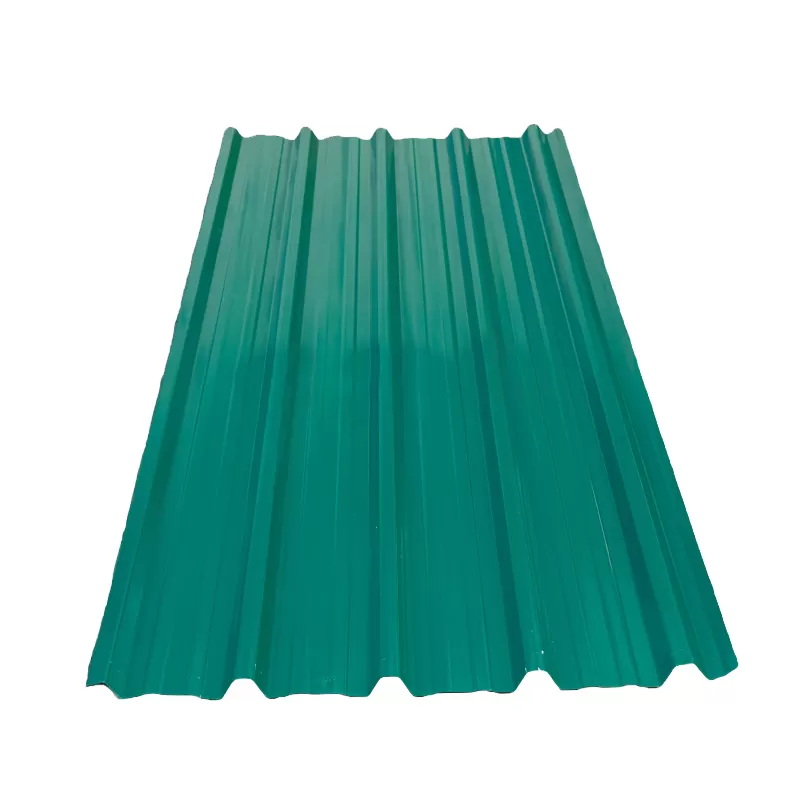
Box Profile (Glossy, Gauge 28)
KSh 650.00
Our Box Profile iron sheets are crafted for superior durability and exceptional weather resistance, making them the ideal choice for long-lasting roofing solutions across Kenya. To make your project even more convenient, we offer free delivery across Kenya when one orders 40 pieces and above. Trust us for reliable products and dependable service for all your building needs.
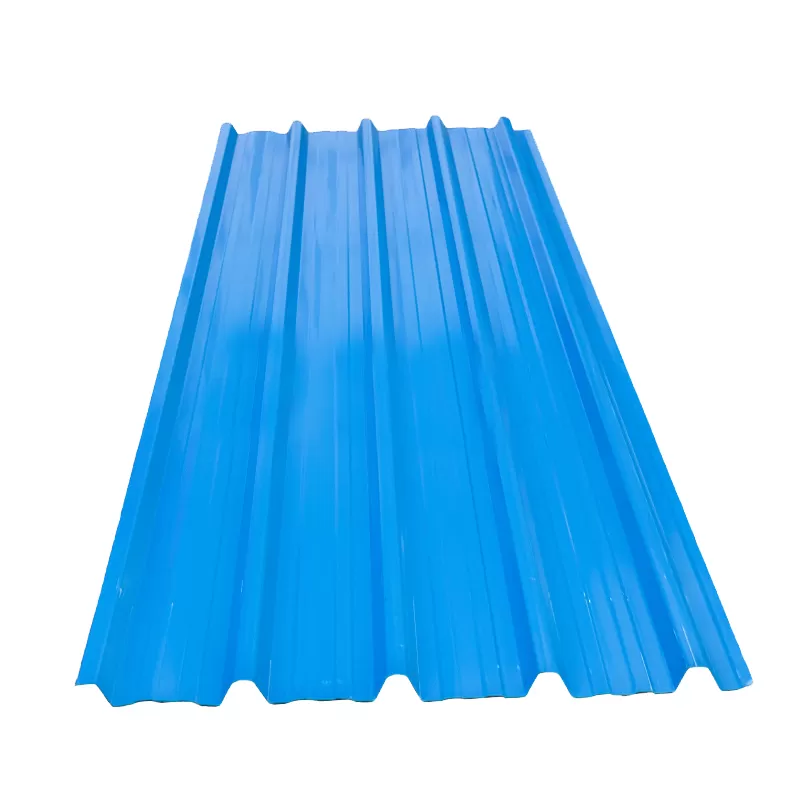
Box Profile (Glossy)
KSh 470.00
Our Box Profile iron sheets are crafted for superior durability and exceptional weather resistance, making them the ideal choice for long-lasting roofing solutions across Kenya. To make your project even more convenient, we offer free delivery across Kenya when one orders 40 pieces and above. Trust us for reliable products and dependable service for all your building needs.
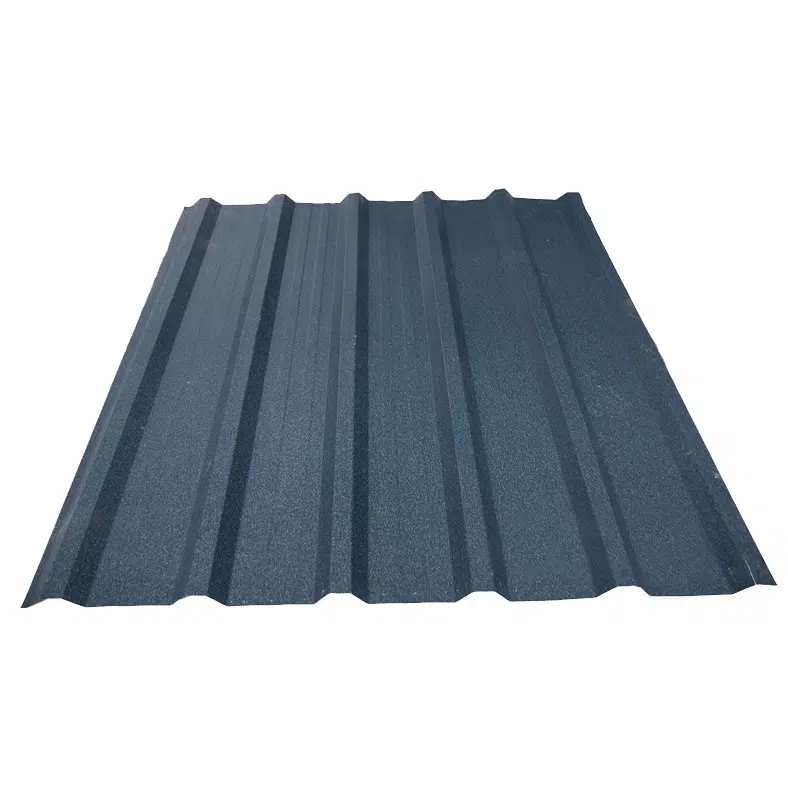
Box Profile (Matte, Gauge 28)
KSh 680.00
Our Box Profile iron sheets are crafted for superior durability and exceptional weather resistance, making them the ideal choice for long-lasting roofing solutions across Kenya. To make your project even more convenient, we offer free delivery across Kenya when one orders 40 pieces and above. Trust us for reliable products and dependable service for all your building needs.
Box Profile (Matte)
KSh 530.00
Our Box Profile iron sheets are crafted for superior durability and exceptional weather resistance, making them the ideal choice for long-lasting roofing solutions across Kenya. To make your project even more convenient, we offer free delivery across Kenya when one orders 40 pieces and above. Trust us for reliable products and dependable service for all your building needs.


Corrugated Iron Sheet (Gauge 30)
KSh 470.00
Our corrugated iron sheets are crafted for superior durability and exceptional weather resistance, making them the ideal choice for long-lasting roofing solutions across Kenya. To make your project even more convenient, we offer free delivery across Kenya when one orders 40 pieces and above. Each high-quality sheet provides excellent value for money, ensuring your structure is protected for years to come. Trust us for reliable products and dependable service for all your building needs.


Elegantile (Glossy, Gauge 28)
KSh 670.00
Our Elegant Tile profile are crafted for superior durability and exceptional weather resistance, making them the ideal choice for long-lasting roofing solutions across Kenya. To make your project even more convenient, we offer free delivery across Kenya when one orders 40 pieces and above. Trust us for reliable products and dependable service for all your building needs.
Elegantile (Glossy, Gauge 30)
KSh 550.00
Our Elegant Tile profile are crafted for superior durability and exceptional weather resistance, making them the ideal choice for long-lasting roofing solutions across Kenya. To make your project even more convenient, we offer free delivery across Kenya when one orders 40 pieces and above. Trust us for reliable products and dependable service for all your building needs.


Elegantile (Matte, Gauge 28)
KSh 680.00
Our Elegant Tile profile with matte texture are crafted for superior durability and exceptional weather resistance, making them the ideal choice for long-lasting roofing solutions across Kenya. To make your project even more convenient, we offer free delivery across Kenya when one orders 40 pieces and above. Trust us for reliable products and dependable service for all your building needs.
Elegantile (Matte, Gauge 30)
KSh 580.00
Our Elegant Tile profile with matte texture are crafted for superior durability and exceptional weather resistance, making them the ideal choice for long-lasting roofing solutions across Kenya. To make your project even more convenient, we offer free delivery across Kenya when one orders 40 pieces and above. Trust us for reliable products and dependable service for all your building needs.
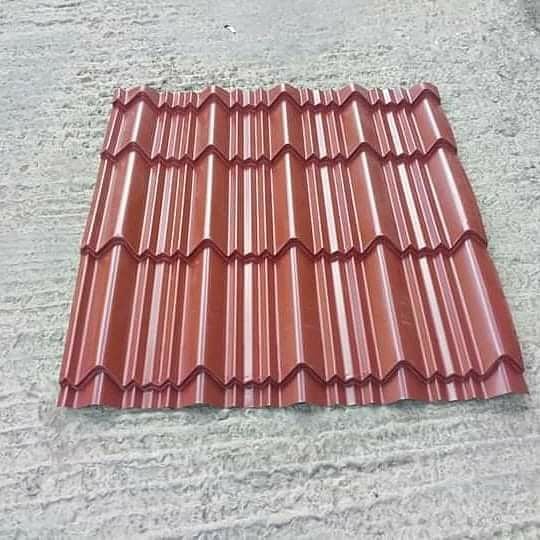
Versatile (Glossy, Gauge 28)
KSh 670.00
Our versatile iron sheets are crafted for superior durability and exceptional weather resistance, making them the ideal choice for long-lasting roofing solutions across Kenya. To make your project even more convenient, we offer free delivery across Kenya when one orders 40 pieces and above. Trust us for reliable products and dependable service for all your building needs.
Versatile (Glossy, Gauge 30)
KSh 550.00
Our versatile iron sheets are crafted for superior durability and exceptional weather resistance, making them the ideal choice for long-lasting roofing solutions across Kenya. To make your project even more convenient, we offer free delivery across Kenya when one orders 40 pieces and above. Trust us for reliable products and dependable service for all your building needs.

Versatile (Matte, Gauge 28)
KSh 680.00
Our versatile iron sheets are crafted for superior durability and exceptional weather resistance, making them the ideal choice for long-lasting roofing solutions across Kenya. To make your project even more convenient, we offer free delivery across Kenya when one orders 40 pieces and above. Trust us for reliable products and dependable service for all your building needs.
Biochar Concrete Innovation in Kenya
Kenya stands at the forefront of African biochar-concrete development. Several organizations are pioneering production, application, and commercialization strategies tailored to local contexts.
Pyrogen’s Groundbreaking Work
Pyrogen, founded in 2022 and headquartered in Gilgil, represents Kenya’s most advanced biochar-concrete venture. The company secured a utility model patent (KE/U/2024/2668) from the Kenya Industrial Property Institute, granting exclusive Kenyan rights for biochar use in concrete products.
Pyrogen is preparing to develop a commercial pilot plant in Baringo County that will produce biochar-infused concrete products. The facility targets 250,000 square meters annual production capacity, sequestering over 3,000 tonnes of CO2 yearly.
CEO Philip Maciocia explained their approach: “Our concrete mix designs incorporate biochar to reduce cement and other aggregates in standard concrete grade mixes, significantly lowering overall carbon footprint while improving mechanical properties”.
What makes Pyrogen unique among Kenyan construction innovators:
Local biomass sourcing: Partnership with Baringo communities to harvest invasive species for biochar production. This creates income for semi-arid region residents while addressing land degradation.
Circular economy model: Processing waste biomass into valuable construction material demonstrates practical sustainability beyond theory.
Affordable housing focus: Collaboration with CGAP (Consultative Group to Assist the Poor) housed within the World Bank, plus Habitat for Humanity, aims to deploy biochar concrete for affordable housing throughout Africa.
Green mortgage integration: Leveraging carbon markets to reduce housing costs while driving climate impact and economic empowerment. The carbon credits generated from sequestration offset construction costs, making sustainable housing more accessible.
Bio-Logical’s Production Infrastructure
Bio-Logical, another Kenyan climate tech pioneer, focuses on biochar production at scale. The company secured $1 million in seed funding to build Africa’s largest biochar production facility.
Their technology transforms 30,000 tonnes of agricultural waste annually into biochar, sequestering 25,000 tonnes of CO2. While primarily focused on agricultural applications initially, the facility creates biochar supply infrastructure that concrete producers can leverage.
The revenue model connects carbon credits with farmer support. Credits sold from carbon sequestration subsidize resilience-building fertilizer production for smallholder farmers. This integrative approach addresses food security, climate change, and rural economic development simultaneously.
Research and Academic Collaboration
Kenya’s universities and research institutions contribute technical expertise. The University of Nairobi participates in long-term biochar research alongside international partners including Cornell University and ICRAF (International Centre for Research in Agroforestry).
While initial focus centered on soil applications, expanding into construction materials represents a natural evolution. Academic institutions provide testing facilities, quality control protocols, and training for the emerging biochar concrete industry.
Licensed engineers and materials testing laboratories play crucial roles in validating biochar concrete performance for commercial deployment.
Production Methods and Quality Control
Manufacturing biochar concrete requires careful attention to material preparation, mixing procedures, and quality assurance.
Biochar Preparation Process
Raw biomass undergoes pyrolysis in controlled environments. Temperature, heating rate, and residence time all influence final biochar properties. For concrete applications, pyrolysis at 500°C with 20-minute residence time provides optimal characteristics.
Post-pyrolysis processing includes:
Grinding: Biochar ground for 2 minutes produces fineness of 73.28 μm, optimal for mechanical strength enhancement. Finer particles provide more surface area for cement interaction but require energy-intensive grinding.
Treatment: Washing biochar in concrete washout water or alkaline solutions precipitates calcium compounds onto surfaces, improving performance. Treatment enables up to 30% biochar addition while maintaining strength.
Quality testing: Carbon content, ash composition, heavy metal screening, and particle size distribution require verification. Standards like EBC-BasicMaterial provide certification frameworks.
Concrete Mixing Procedures
Incorporating biochar into concrete follows established protocols with minor modifications:
Dry mixing: Combine cement, biochar, and aggregates thoroughly before adding water. This ensures even biochar distribution.
Water adjustment: Biochar’s water absorption requires more mixing water to achieve desired workability. Typically, 5-15% additional water accommodates biochar’s sorptivity.
Extended mixing time: An extra 1-2 minutes of mixing ensures complete biochar incorporation and uniform water distribution.
Workability testing: Slump tests verify consistency. Higher biochar dosages reduce workability significantly, requiring careful balance between carbon storage and placement ease.
No specialized equipment is needed. Standard electric cement mixers and common concrete vibrators suffice, making technology accessible to Kenyan contractors.
Quality Control Measures
Ensuring consistent biochar concrete quality requires systematic testing:
Fresh concrete properties:
- Slump value monitoring
- Air content measurement
- Temperature tracking
- Setting time determination
Hardened concrete testing:
- Compressive strength at 7, 14, and 28 days
- Flexural and tensile strength
- Water absorption and permeability
- Dimensional stability
Materials testing laboratories certified by Kenya’s National Construction Authority should conduct verification testing. This ensures compliance with building codes and performance specifications.
Documentation includes:
- Biochar source and production parameters
- Pyrolysis temperature and residence time
- Particle size distribution
- Mix design proportions
- Curing conditions
- Test results and certifications
https://carboculture.com/resources/the-many-benefits-of-carbon-negative-concrete-made-with-biographite-carbon
Economic Analysis for Kenyan Market
Financial viability determines technology adoption rates. Biochar concrete’s economics depend on material costs, carbon credit values, and lifecycle benefits.
Cost Structure Breakdown
Traditional concrete costs in Kenya vary by region and grade. Concrete contractors charge KES 6,500-12,000 per cubic meter depending on location and specifications.
Biochar concrete cost components:
- Biochar production: Approximately USD 200-400 per tonne depending on scale and technology
- Transportation: Variable based on production facility distance
- Additional mixing time: Marginal labor cost increase
- Testing and certification: Initial validation expenses
Biochar-augmented concrete potentially generates overall profit of 35.4 USD per cubic meter when carbon sequestration benefits are monetized.
Carbon Credit Revenue Potential
Carbon markets value CO2 removal through voluntary carbon credits. Current prices range from USD 50-150 per tonne CO2 depending on quality and certification.
For biochar concrete sequestering 59 kg CO2 per tonne:
- 1 cubic meter of concrete (2.4 tonnes) sequesters approximately 141 kg CO2
- At USD 100 per tonne CO2, this generates USD 14 in carbon credits
- This offsets 10-20% of material costs
Pyrogen’s green mortgage model integrates these credits directly into housing finance, reducing homeowner costs while maintaining developer profitability.
Long-Term Economic Benefits
Beyond initial cost calculations, biochar concrete offers downstream advantages:
Extended service life: Improved durability reduces maintenance and replacement frequency. This particularly matters for Kenyan road networks where premature pavement failure strains budgets.
Thermal performance: Better insulation properties reduce cooling energy costs in buildings. Kenya’s hot climate makes this especially valuable for urban apartment design.
Market differentiation: Green building certifications and sustainability credentials attract premium tenants and buyers. Kenya’s growing construction industry trends favor environmentally conscious developments.
Regulatory compliance: As Kenya adopts stricter environmental standards, early biochar concrete adopters gain competitive advantages. Investing now positions companies favorably for future requirements.
Environmental Benefits and Carbon Sequestration
The construction industry’s environmental footprint extends far beyond production emissions. Biochar-infused cement mixtures reduce global warming potential by 32.2% compared to conventional concrete. This dramatic reduction transforms construction from a climate liability into a climate solution.
How Much Carbon Can Biochar Concrete Actually Store?
Numbers tell a compelling story. Studies show up to 9.40 kg CO2 sequestration per cubic meter of concrete at typical biochar dosages. With higher replacement rates, the carbon storage multiplies significantly. The carbon remains locked away for centuries—far exceeding typical project timeframes.
Consider a modest residential project. A typical Kenyan home uses approximately 50 cubic meters of concrete. Using biochar concrete at optimal dosages could sequester 470-500 kg of CO2. That’s equivalent to planting roughly 23 trees and waiting 10 years for them to mature.
For infrastructure projects, the scale becomes transformative. Kenya’s extensive road network development consumes millions of cubic meters of concrete annually. Switching even 10% to biochar concrete could sequester tens of thousands of tonnes of CO2.
Life Cycle Assessment Advantages
Life cycle assessments reveal that 62-66% of total carbon reductions come from biochar sequestration itself. The remainder stems from reduced cement production, lower transportation emissions, and decreased aggregate extraction impacts.
Multi-criteria decision-making frameworks assigning scores to environmental LCA criteria, material functional performance tests, and cost considerations give biochar concrete a closeness coefficient of 0.95—nearly perfect when balancing environmental and economic factors.
The benefits cascade through multiple environmental categories:
- Acidification potential: Reduced by 15-25%
- Eutrophication: Lowered through decreased fertilizer runoff from biomass waste
- Resource depletion: Minimized via waste biomass utilization
- Land use: Improved through invasive species removal for biochar production
Long-Term Carbon Storage Permanence
Concrete structures sequester carbon dioxide for their entire lifetime—typically 30 years in pavement or 75 years in bridges. Unlike forestry carbon credits vulnerable to wildfires or logging, concrete-embedded biochar enjoys protection from decomposition.
The alkaline concrete environment actually enhances biochar stability. High pH levels prevent microbial activity that might otherwise degrade organic carbon. Temperature fluctuations, moisture cycles, and mechanical stresses barely affect the carbon structure once encased.
Even at end-of-life, biochar concrete maintains carbon storage. When demolished structures undergo recycling as aggregates, the biochar particles transfer to new concrete, continuing their carbon sequestration function indefinitely.
https://pubs.acs.org/doi/10.1021/es902266r
Biochar Concrete Applications in Kenyan Construction
Understanding applications helps translate laboratory research into practical construction solutions. Kenya’s diverse construction needs create multiple opportunities for biochar concrete deployment.
Affordable Housing Integration
Kenya faces a housing deficit exceeding 2 million units. Pyrogen’s pioneering pilot with CGAP and Habitat for Humanity deploys patented biochar concrete mix for affordable housing in Africa, merging sustainable construction with carbon finance through green mortgages.
The model works elegantly. Carbon credits generated from biochar sequestration reduce mortgage costs for homeowners. Lower monthly payments make housing accessible to more families. Meanwhile, developers benefit from sustainability credentials attracting socially conscious investors and green building certifications.
Applications include:
- Load-bearing walls: Maintaining structural integrity while reducing carbon footprint
- Foundation systems: Particularly suited for biochar’s moisture regulation properties
- Floor slabs: Leveraging improved thermal performance for comfort
- Precast elements: Factory-controlled quality ensures consistency
Road and Infrastructure Applications
In the short term, low-carbon concrete containing biochar could be utilized for transportation infrastructure including roadways, curbs, sidewalks, and bicycle paths. Kenya’s ambitious infrastructure agenda under Vision 2030 provides fertile ground for deployment.
Road applications benefit from biochar’s unique properties:
Water filtration: Biochar’s porosity filters pollutants from stormwater runoff before groundwater contamination. This matters tremendously for Kenya’s water-stressed regions where every drop counts.
Deicing salt absorption: Though less relevant for most of Kenya, highland areas experiencing occasional freezing benefit from biochar’s ability to adsorb and neutralize salt impacts on surrounding ecosystems.
Petroleum residue capture: Urban roads accumulate motor oil, fuel spills, and rubber particulates. Biochar concrete pavements trap these contaminants, preventing environmental dispersal.
The Kenya Road Design Manual doesn’t yet specifically address biochar concrete, but its performance characteristics meet all existing pavement requirements. As KeRRA undertakes road upgrade projects, incorporating biochar concrete represents an opportunity to future-proof infrastructure.
Commercial and Industrial Buildings
Large-scale construction projects offer economies of scale for biochar concrete adoption. Shopping centers, warehouses, factories, and office complexes typically require hundreds of cubic meters of concrete—enough volume to justify specialized mix designs and quality control.
According to the AFC State of Africa’s Infrastructure Report 2024, 70% of the infrastructure needed by 2040 across Africa is yet to be built. This presents an unprecedented opportunity. Rather than retrofitting existing structures, Kenya can integrate sustainable materials from inception.
Commercial applications particularly suited to biochar concrete:
- Parking structures: Non-structural elements allowing higher biochar percentages
- Decorative elements: Biochar’s darker color adds architectural interest
- Sound barriers: Porous structure provides acoustic damping
- Thermal mass walls: Enhanced thermal properties regulate building temperatures
Precast Concrete Products
Kenya’s precast industry produces blocks, pavers, fence posts, and other elements. These factory-controlled environments suit biochar concrete particularly well. Quality control becomes easier. Mix designs optimize more precisely. Production efficiencies maximize carbon sequestration per unit cost.
Pyrogen’s Baringo County facility specifically targets precast product manufacturing. The 250,000 square meters annual capacity focuses on:
- Hollow blocks for masonry construction
- Cabro pavers for pedestrian and vehicular surfaces
- Precast fence posts and panels
- Architectural elements and decorative features
This approach democratizes access. Small-scale builders purchasing precast elements benefit from carbon-negative construction without specialized knowledge or equipment. The sustainability happens at the production facility, simplifying site logistics.
Challenges and Practical Solutions
Every innovative technology faces adoption barriers. Understanding challenges allows strategic planning for biochar concrete scaling in Kenya.
Supply Chain Development Challenges
Current biochar production capacity barely meets agricultural demand. Expanding into construction requires exponential growth. Transportation distance for feedstock creates a significant hurdle to economic profitability of biochar-pyrolysis systems.
Solutions emerging:
Regional production networks: Pyrogen works closely with local communities to source invasive biomass species for biochar production. This decentralized model reduces transportation costs while creating rural employment.
Waste biomass prioritization: Biomass sources with waste management needs such as yard waste have the highest potential for economic profitability. Kenya generates millions of tonnes of agricultural residues annually. Coffee husks, maize stalks, sugarcane bagasse, and sisal waste all serve as excellent feedstocks.
Mobile pyrolysis units: Transportable pyrolysis equipment moves to biomass sources rather than hauling low-density feedstock long distances. This model works particularly well for seasonal agricultural waste.
Quality Consistency and Standardization
Biochar properties vary significantly based on feedstock and production processes, affecting suitability for concrete applications. Without standards, quality fluctuations undermine performance reliability.
Addressing the issue:
EBC certification adoption: European Biochar Certificate standards provide internationally recognized quality frameworks. Kenya should adapt these for local contexts, establishing:
- Carbon content minimums (typically 60%)
- Heavy metal thresholds
- PAH (polycyclic aromatic hydrocarbon) limits
- Particle size specifications
Materials testing requirements: Every biochar batch needs testing before concrete incorporation. Testing parameters include:
- Proximate analysis (moisture, ash, volatile matter, fixed carbon)
- Specific surface area measurement
- pH and electrical conductivity
- Physical characterization (particle size distribution, bulk density)
Mix design databases: Developing standardized mix designs for common biochar types simplifies contractor adoption. Rather than custom formulation for each project, engineers select proven mixes matching available biochar characteristics.
Regulatory Framework Development
Current structural concrete standards, particularly in the EU, do not have well-defined pathways to bring innovative building materials to market. Kenya faces similar challenges.
Kenya’s National Construction Authority regulates building materials through approved standards. Biochar concrete currently operates in a grey zone—not prohibited but not explicitly approved either.
Recommended regulatory pathway:
Phase 1 – Non-structural applications: Initial approval for pavements, landscaping elements, and non-load-bearing uses. This builds performance data while minimizing risk.
Phase 2 – Structural use with limitations: Allow biochar concrete for low-rise residential and specific structural elements once sufficient testing validates performance.
Phase 3 – Comprehensive approval: Full integration into building codes and design standards after multi-year performance tracking.
Cost Competitiveness
Due to high biochar cost, concrete incorporating this material is likely positioned as a premium product with performance and sustainability benefits. Initial pricing exceeds conventional concrete.
Improving economics:
Carbon credit integration: Additional carbon credit revenue streams strengthen the business case for biochar-based concrete. Current voluntary carbon market prices range from USD 50-150 per tonne CO2. Kenya’s participation in international carbon markets provides revenue that offsets material costs.
Scale economies: As production volumes increase, per-unit biochar costs decline. Pyrogen’s pilot plant targets commercial-scale production where economies emerge.
Lifecycle cost emphasis: Educating buyers about total ownership costs rather than just initial prices. Biochar concrete’s enhanced durability reduces maintenance and replacement expenses over decades.
Green mortgage financing: Lower interest rates for sustainable construction projects effectively subsidize biochar concrete costs through reduced financing charges.
Advanced Applications and Future Prospects
Innovation continues expanding biochar concrete possibilities. Several emerging applications show particular promise for Kenya.
3D Printing with Biochar Concrete
3D printing tests demonstrated that biochar improved pumpability and extrudability of mixtures at initial 20 minutes, and enhanced buildability of 3D printed concretes after 40 minutes. This revolutionary construction method reduces waste by 30-60%, labor costs by 50-80%, and production time by 50-70%.
The carbon footprint of 3D printable concrete was reduced by 8.3% through incorporating 2 wt% biochar. Combined with 3D printing’s material efficiency, total carbon savings exceed 50% compared to traditional construction.
Kenya’s construction sector could leapfrog developed nations by adopting 3D printing technology alongside biochar concrete. Applications include:
Affordable housing at scale: The incorporation of 2 wt% biochar enhanced the structural build-up rate of fresh mixtures by 22% at 40 minutes, enabling faster construction without compromising quality. Printing a complete house takes 24-48 hours rather than weeks.
Architectural freedom: 3D printing eliminates formwork constraints. Complex geometries, optimized structural shapes, and customized designs become economically viable. Kenya’s architectural innovation benefits from this design flexibility.
Remote construction: Mobile 3D printers reach areas lacking construction infrastructure. Rural schools, health centers, and community facilities become buildable without transporting extensive materials or skilled labor.
Disaster response: Rapid housing reconstruction after floods or other disasters. Kenya’s vulnerability to climate impacts makes this capability increasingly valuable.
Integration with Other Sustainable Technologies
Biochar concrete synergizes with complementary green building approaches:
Solar thermal mass: Biochar concrete’s thermal properties store solar heat during day, releasing warmth at night. This passive heating reduces energy consumption in Kenya’s highland regions.
Rainwater harvesting: Biochar’s filtration properties purify collected rainwater. Concrete cisterns incorporating biochar remove contaminants while storing water for dry seasons.
Green roof systems: Lightweight biochar concrete reduces structural loading, enabling rooftop gardens on existing buildings not originally designed for vegetation.
Electromagnetic shielding: Biochar’s carbon structure blocks electromagnetic radiation. This matters increasingly as Kenya’s telecommunications infrastructure expands and concerns about radiation exposure grow.
Research and Development Opportunities
Kenyan universities and research institutions have opportunities to advance biochar concrete science:
Local feedstock optimization: Studying Kenya-specific biomass sources—coffee husks, tea waste, coconut shells, sisal residues—to identify optimal pyrolysis conditions and concrete performance.
Tropical climate performance: Most existing research occurs in temperate zones. Kenya’s equatorial sun, temperature swings, and rainfall patterns create unique conditions requiring localized research.
Economic modeling: Detailed cost-benefit analyses for Kenyan market conditions. Factoring in local labor rates, transportation infrastructure, and material availability provides accurate financial projections.
Social impact assessment: Evaluating employment creation, rural development, and community benefits from decentralized biochar production networks.
Seismic performance: Kenya’s seismic zones, particularly around Lake Victoria and the Rift Valley, require understanding of biochar concrete behavior during earthquakes.
https://www.nature.com/articles/s43246-024-00700-3
Economic Impact and Job Creation
Beyond environmental benefits, biochar concrete deployment creates economic opportunities across multiple sectors.
Local Manufacturing Value Chains
Pyrogen’s Baringo County initiative brings value-added manufacturing to a semi-arid region of Kenya, promoting local job creation and long-term sustainable incomes through community-based biomass harvesting programmes.
Employment categories created:
Biomass collection: Rural communities earn income harvesting invasive species and agricultural waste. This transforms environmental problems into economic assets. Prosopis juliflora (mathenge), an invasive tree devastating pastoralist lands, becomes valuable feedstock.
Pyrolysis operations: Technical jobs operating and maintaining biochar production equipment. Training programs develop skilled workforce in emerging green technology sector.
Quality control: Laboratory technicians testing biochar properties and concrete performance create middle-skill employment.
Logistics and distribution: Transportation, warehousing, and sales positions supporting supply chains.
Construction trades: Masons, carpenters, and general laborers gain skills working with innovative materials, increasing employability.
Carbon Market Revenue
Kenya’s participation in voluntary carbon markets unlocks revenue streams:
Certification pathways: Organizations like Puro.earth provide methodology and verification for biochar carbon removal credits. Each tonne of CO2 sequestered generates tradable credits.
Premium pricing: Biochar carbon removal commands premium prices (USD 100-200 per tonne) compared to avoidance credits because it actually removes atmospheric CO2 rather than merely preventing emissions.
Revenue distribution: Green mortgage models return carbon credit value to homeowners through reduced housing costs. This directly addresses Kenya’s affordable housing challenge while fighting climate change.
International funding: Climate finance mechanisms like Green Climate Fund increasingly support concrete carbon removal projects. Kenya’s biochar concrete initiatives attract international investment.
Technology Transfer and Export Potential
Kenya’s position as East African economic hub creates opportunities for regional expansion:
Knowledge export: Training programs, technical assistance, and consulting services for other African nations. Kenya becomes the continental center of excellence for biochar concrete technology.
Equipment manufacturing: Local production of pyrolysis units, concrete mixers, and testing equipment reduces import dependence while creating manufacturing jobs.
Regional supply chains: Exporting biochar and biochar concrete products to neighboring countries lacking production capacity.
Comparison with Traditional Construction Materials
Decision-makers need clear comparisons to evaluate biochar concrete against alternatives.
| Property | Conventional Concrete | Biochar Concrete (2-3%) | Advantage |
|---|---|---|---|
| Compressive Strength (28-day) | 20-40 MPa | 22-46 MPa | Biochar concrete (10-15% stronger) |
| Carbon Footprint | +400 kg CO2/m³ | -50 to +250 kg CO2/m³ | Biochar concrete (significantly lower) |
| Water Absorption | 3-5% | 2-4% | Biochar concrete (better durability) |
| Thermal Conductivity | 1.4-1.7 W/mK | 1.1-1.4 W/mK | Biochar concrete (better insulation) |
| Cost (initial) | KES 8,000/m³ | KES 9,500/m³ | Conventional concrete (lower upfront) |
| Cost (lifecycle) | Higher (maintenance) | Lower (durability) | Biochar concrete (long-term savings) |
| Fire Resistance | Good | Excellent | Biochar concrete (enhanced safety) |
Performance Across Different Grades
Kenya’s construction uses various concrete grades for different applications:
Grade 15 (lean concrete): Biochar works exceptionally well. Non-structural use allows higher replacement rates (5-10%). Perfect for blinding layers, pathways, and landscaping.
Grade 20-25 (moderate strength): Optimal biochar range (2-3%). Suitable for residential foundations, floor slabs, and most low-rise building applications.
Grade 30-40 (structural): Conservative biochar dosing (1-2%) maintains strength while providing carbon sequestration. Appropriate for commercial buildings, high-rise structures, and critical infrastructure.
Grade 50+ (high-strength): Requires extensive testing. Specialized applications like bridge components or prestressed elements need careful mix design validation.
Comparison with Other Sustainable Alternatives
Biochar concrete competes with other low-carbon options:
Fly ash concrete: Replaces cement with coal combustion byproduct. Reduces emissions but doesn’t achieve carbon negativity. Availability declining as coal plants close.
Geopolymer concrete: Alkali-activated binders eliminate Portland cement. Complex chemistry and limited local knowledge constrain adoption in Kenya.
Recycled aggregate concrete: Uses crushed demolition waste. Reduces virgin material demand but doesn’t sequester carbon. Can be combined with biochar for synergistic benefits.
Hempcrete: Plant-based insulation material. Excellent carbon storage but lacks structural strength. Complementary to, not competitive with, biochar concrete.
Biochar concrete’s unique advantage: it simultaneously improves performance, reduces emissions, and sequesters carbon—a trifecta unmatched by alternatives.
Implementation Roadmap for Kenya
Strategic deployment requires phased approach balancing innovation with risk management.
Short-Term Actions (2025-2027)
Pilot project expansion: Beyond Pyrogen’s Baringo facility, establish demonstration projects in diverse Kenyan regions. Coastal, highland, and urban environments each present unique conditions requiring validation.
Standards development: National Construction Authority working groups drafting biochar concrete specifications. Collaborate with international standards bodies (ASTM, ISO) while addressing Kenyan specifics.
Training programs: Engineering curricula at universities incorporating biochar concrete design. Professional development for licensed engineers ensures technical competence.
Supply chain establishment: Mapping agricultural waste sources. Identifying optimal locations for biochar production facilities. Developing logistics networks connecting producers with concrete manufacturers.
Medium-Term Goals (2028-2032)
Market penetration: Targeting 5-10% of Kenya’s concrete production incorporating biochar. Starting with government projects—schools, health centers, affordable housing developments—demonstrates public sector commitment.
Carbon credit monetization: Full integration of carbon markets into financing models. Green bonds specifically funding biochar concrete projects. Insurance products covering carbon sequestration performance.
Regional expansion: Exporting technology to Tanzania, Uganda, Rwanda, and Ethiopia. Kenya becoming the East African hub for biochar concrete expertise.
Advanced applications: 3D printing, high-strength structural concrete, and specialized products (e.g., biochar-enhanced BRC mesh-reinforced slabs).
Long-Term Vision (2033-2040)
Industry standard: Biochar concrete becoming default choice rather than alternative. Building codes preferencing carbon-negative materials.
Climate leadership: Kenya showcasing global leadership in construction decarbonization. Hosting international conferences, training programs, and research collaborations.
Circular economy integration: Comprehensive waste-to-construction material systems. Agricultural residues, urban organic waste, and forestry byproducts all flowing efficiently into biochar production.
Carbon neutrality: Kenya’s construction sector achieving net-zero emissions ahead of 2050 global targets. Biochar concrete playing central role alongside other sustainable technologies.
Frequently Asked Questions
Is biochar concrete as strong as regular concrete?
Yes, when properly formulated. Replacing 10% cement with biochar can increase compressive strength by 20-30%. Optimal dosages (1-3%) typically match or exceed conventional concrete strength. Higher percentages require careful mix design but can still meet structural requirements. Performance depends on biochar quality, particle size, and treatment methods.
How much carbon does biochar concrete actually sequester?
Biochar-enhanced concrete with 30 wt% biochar can sequester 59 kg CO2 per tonne of concrete. At typical dosages of 2-3%, sequestration ranges from 10-20 kg CO2 per tonne. This continues throughout the concrete's service life—typically 30-75 years depending on application. The carbon remains stably locked in the biochar's structure.
Where can I source biochar for concrete in Kenya?
Pyrogen in Gilgil and Bio-Logical represent Kenya's primary biochar producers. Agricultural waste processing facilities may also supply material. As demand grows, more suppliers will emerge. Quality certification remains essential—request documentation on pyrolysis temperature, carbon content, and heavy metal testing before purchasing.
Does biochar affect concrete's appearance or color?
Biochar darkens concrete slightly, creating gray to charcoal tones depending on dosage. This doesn't affect structural performance but may influence aesthetic choices. For exposed concrete finishes, consider this color shift. Paint applications can easily modify surface appearance if desired. Many architects embrace the darker tones as design features.
Can biochar concrete be used for all construction applications?
Most structural and non-structural applications accommodate biochar concrete. Suitable uses include:
- Foundation systems
- Load-bearing walls
- Floor slabs
- Road pavements
- Precast elements
- Concrete blocks
Specialized applications like underwater structures or chemical exposure environments require additional testing. Consult licensed structural engineers for specific project requirements.
What regulations govern biochar concrete use in Kenya?
Kenya's National Construction Authority regulations require materials meet performance standards. Biochar concrete must demonstrate compliance through testing by certified laboratories. Currently, no specific biochar standards exist, so conventional concrete specifications apply. As adoption increases, dedicated guidelines will likely emerge.
How does biochar concrete perform in Kenya's climate?
Kenya's varied climate—from coastal humidity to highland cold—suits biochar concrete well. The material's internal curing benefit particularly helps in hot, dry regions where rapid moisture loss challenges conventional concrete. Improved durability against chloride penetration benefits coastal construction. Temperature extremes present no special concerns.
How does biochar concrete perform in Kenya's coastal environment?
Excellent performance characteristics. Biochar's pore structure modification reduces chloride ion penetration—the primary cause of reinforcement corrosion in coastal areas. Research shows carbonation depth reduced by 12.8-17.9% compared to control concrete. For marine and coastal construction, biochar concrete actually outperforms conventional options in long-term durability.
Can biochar concrete be used with ready-mix suppliers?
Absolutely. Ready-mix concrete suppliers can incorporate biochar into standard production processes. Minor adjustments include pre-wetting biochar, extending mixing time by 1-2 minutes, and water content modifications. No specialized equipment required. Several Kenyan suppliers are already conducting trials.
What happens to the carbon if the building is demolished?
The carbon remains sequestered. When concrete undergoes crushing for recycled aggregate use, biochar particles remain intact and embedded. They transfer to new concrete, continuing carbon storage indefinitely. Even if concrete ends in landfill, the alkaline environment prevents biochar decomposition. Unlike organic carbon storage methods vulnerable to fire or decay, concrete-encased biochar enjoys essentially permanent sequestration.
Does biochar concrete require different construction techniques?
Minimal changes. Contractors familiar with conventional concrete adapt easily. Key differences: (1) Slightly darker color—inform clients beforehand if exposed finish matters, (2) Marginally reduced slump values—may need plasticizers for highly flowable mixes, (3) Enhanced moisture retention—curing times slightly shorter. On-site concrete mixing best practices apply with minor modifications.
How does biochar concrete affect foundation design in different Kenyan soils?
Foundation design follows standard procedures. Biochar concrete's moisture regulation properties actually benefit expansive clay soils common in Nairobi and Central Kenya by reducing shrink-swell cycling. For sandy coastal soils, improved water resistance enhances performance. Engineers continue using established bearing capacity calculations—biochar doesn't alter fundamental soil mechanics. Geotechnical surveys remain essential regardless of concrete type.
Can biochar be combined with other additives like superplasticizers?
Yes, excellent compatibility. Superplasticizers actually help distribute biochar particles uniformly throughout the mix. Water reducers compensate for biochar's absorption characteristics. Combining biochar with fly ash, silica fume, or metakaolin provides synergistic benefits—enhanced strength plus carbon sequestration. Avoid reactive additives until compatibility testing confirms performance.
What's the expected cost difference for a typical residential project?
Initial material costs increase approximately 15-20% (KES 1,500-2,000 per cubic meter). For a 3-bedroom house using 40 cubic meters of concrete, this adds KES 60,000-80,000 to construction costs. However: (1) Carbon credits offset KES 20,000-30,000, (2) Green mortgage rates save KES 50,000-100,000 in interest over loan term, (3) Reduced maintenance cuts lifecycle costs by 10-15%. Net result: comparable or lower total cost while benefiting the environment.
How long before biochar concrete becomes widely available across Kenya?
Current trajectory suggests 3-5 years for major urban centers (Nairobi, Mombasa, Kisumu, Eldoret). Pyrogen's 2025 commercial pilot launch establishes supply. As additional producers enter the market and ready-mix suppliers add biochar options, availability expands. Rural areas may lag 5-10 years unless deliberate policy interventions accelerate distribution. Government procurement policies specifying carbon-negative concrete would dramatically accelerate adoption.
Does biochar concrete meet Eurocode design standards?
Yes, when properly formulated. Eurocode 2 (concrete structures) doesn't specifically address biochar but sets performance criteria—strength, durability, workability—that biochar concrete meets or exceeds. European standardization bodies are developing biochar-specific supplements. Kenya, adopting Eurocode alongside British Standards, benefits from this international standardization work. Engineers should specify biochar concrete using performance-based criteria rather than prescriptive mix designs.
What quality control tests are necessary for biochar concrete?
Standard concrete testing applies: slump tests for workability, cube crushing at 7/14/28 days for strength, water absorption for durability. Additionally: (1) Biochar carbon content verification (minimum 60%), (2) Heavy metal screening per EBC standards, (3) Particle size distribution, (4) pH and electrical conductivity. Certified materials testing laboratories conduct specialized biochar analysis. Site-level testing focuses on concrete properties—biochar quality verification happens at production facility.
Can biochar concrete be used for road construction?
Absolutely. Pavement applications represent one of biochar concrete's most promising uses. Benefits include: (1) Pollutant filtration from stormwater runoff, (2) Enhanced freeze-thaw resistance in highland areas, (3) Reduced urban heat island effect through lower thermal conductivity. KeRRA road projects could pilot biochar concrete on select sections. Reduced maintenance needs offset initial costs over pavement design life.